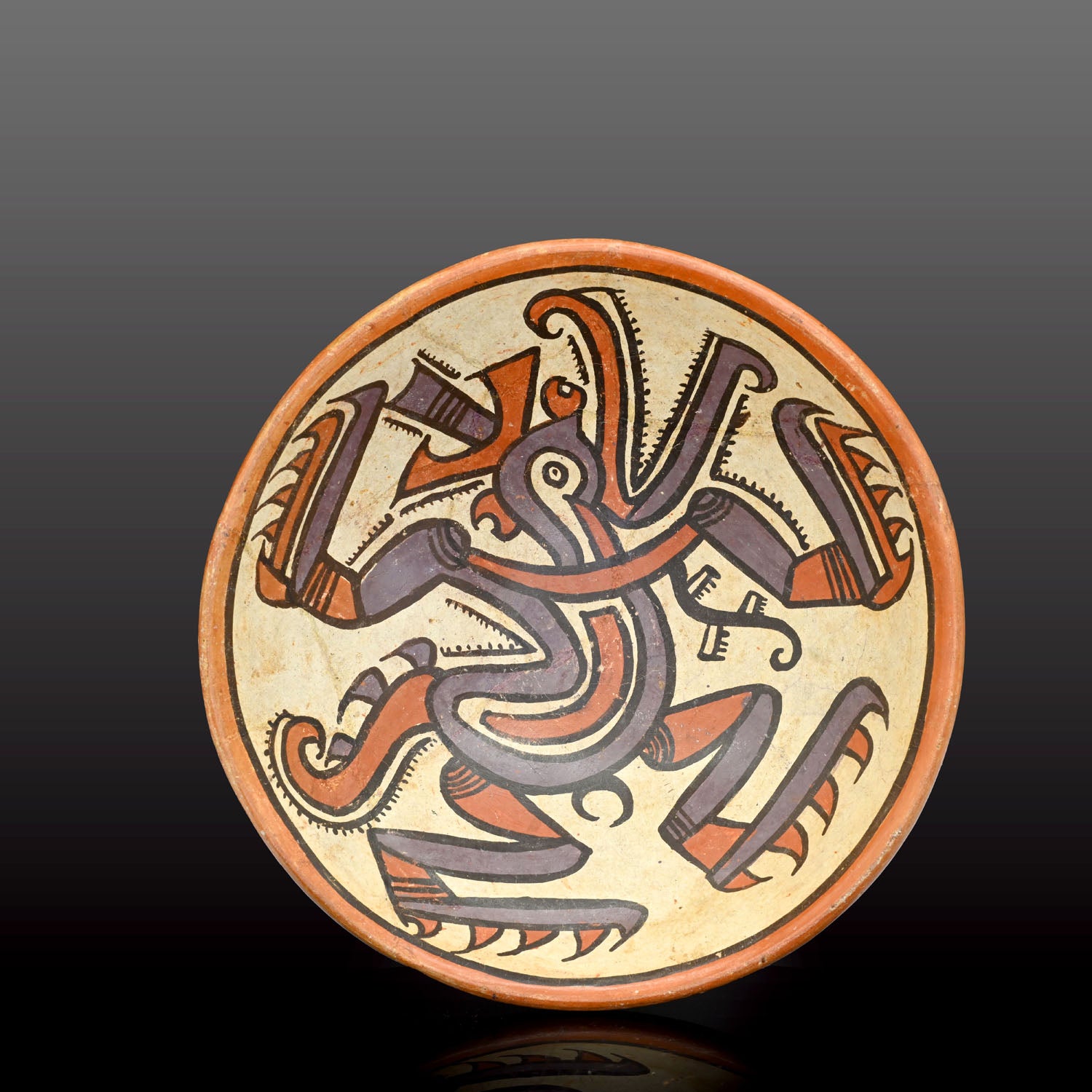
A fine Coclé Polychrome Bowl with Crocodile God Motif, Late Classic Period, ca. 900–1100 CE
This object qualifies for free USA shipping and a flat rate fee of $75 if shipping internationally.
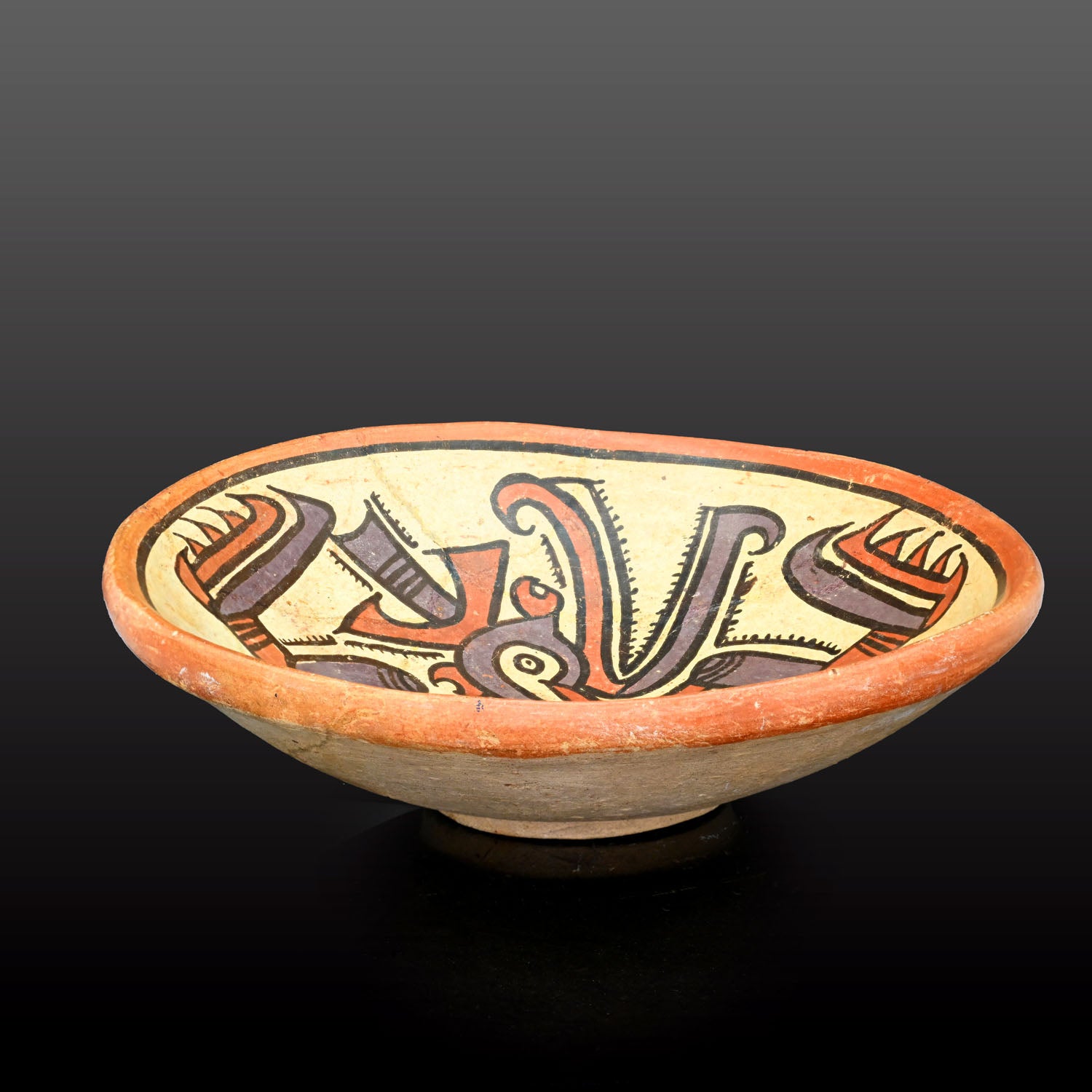
A superbly decorated Coclé polychrome bowl featuring a dynamic depiction of the Crocodile God, rendered in bold purple, red, and black on a cream ground. The figure is depicted in profile, with an upturned snout, extended limbs, and clawed feet arranged in a dramatic, swirling posture that suggests ritual movement or dance. The composition is tightly organized within a circular field bordered by a narrow orange-red rim, with strong linear detailing and hatched elements characteristic of Sitio Conte iconography.
In ancient Panama, the Crocodile God was a central figure in Coclé cosmology, symbolizing fertility, solar power, water, and the underworld. Revered for its amphibious nature and predatory strength, the crocodile served as a powerful metaphor for both divine authority and transitional power between realms. This bowl likely functioned as a ceremonial object, used by elites to imbue themselves with the power of crocodiles, invoke supernatural favor, or assert religious authority.
Background: The ceramic traditions of the Gran Coclé culture represent some of the most sophisticated expressions of Pre-Hispanic art in Central America. Flourishing in the central isthmus of Panama between approximately 200 BCE and 1550 CE, this culture produced bold, vibrant, and symbolically charged vessels that served both utilitarian and ceremonial roles. The Gran Coclé artistic tradition is best known for discoveries at Sitio Conte, an elite burial site where many richly adorned graves were found. Based on Spanish accounts from the sixteenth century and later archaeological evidence, it is now understood that these elaborate funerary offerings, which included polychrome vessels, were reserved for high-ranking individuals, particularly those of the elite and the nobility. Ceramics, such as the Crocodile God bowl, not only served as grave goods but also played an active role in ritual life. They connected their owners to the supernatural realm and reinforced their social status.
Today, these ceramics are recognized for their exceptional technical skill, complex iconography, and cultural insight. They remain central to our understanding of indigenous Central American belief systems and artistic innovations prior to European contact.
Medium: Terracotta
Dimensions: Height: 2 1/4 inches (5.7 cm), Diameter: 7 3/4 (19.69)
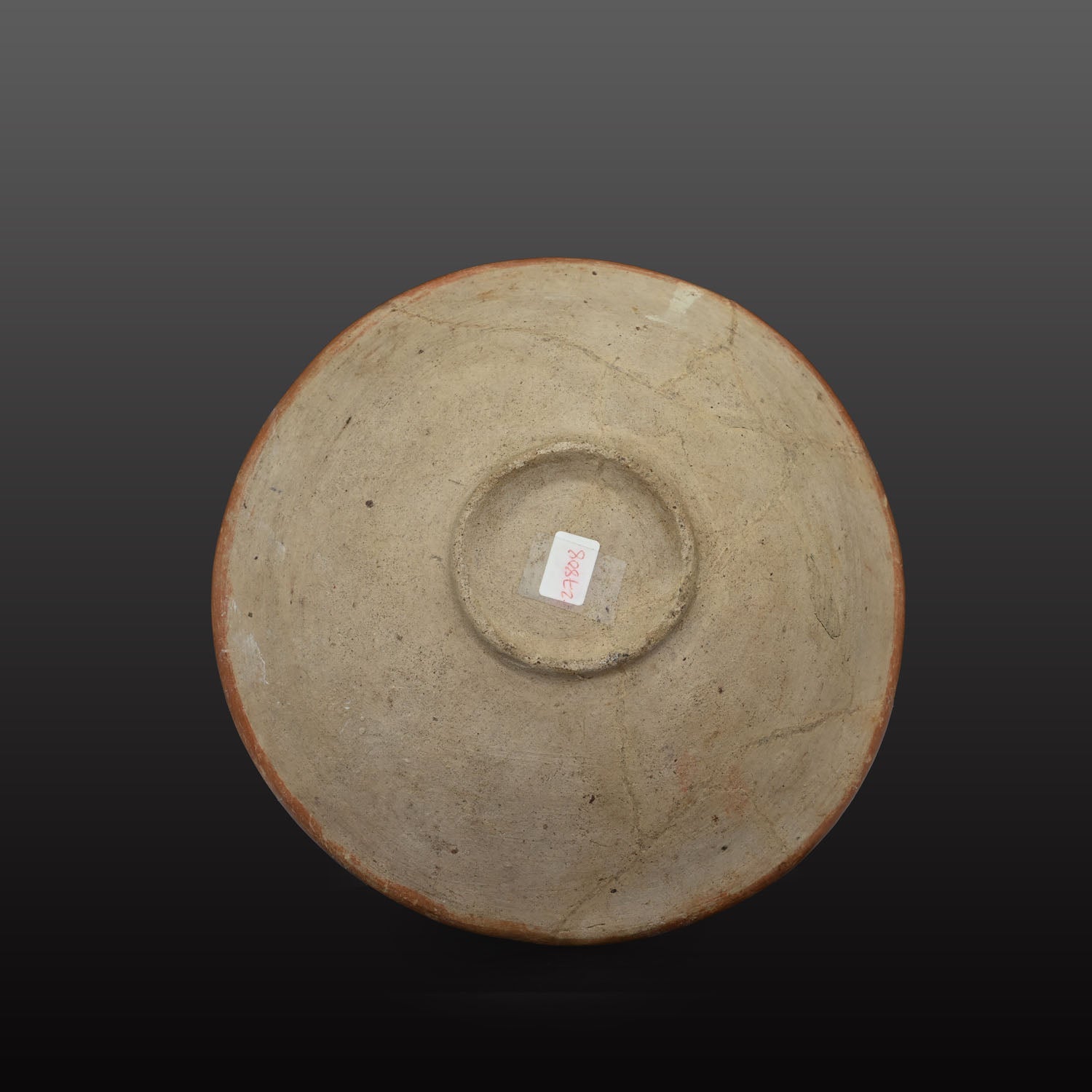
Condition: Reassembled from six large fragments with light cosmetic blending along the join lines. The work is professionally executed and does not detract from the visual impact of the design. A most impressive example.
Provenance: Estate of Peter H. Tillou (1935 - 2021), CT., acquired in the 1990s, then to family by descent. Appraised by Marianne Huber, (art appraiser/consultant, formerly of Huber Primitive Art and later of New World Art Services) in 2014, collection #27808.
Tillou was a renowned international arts and antiques dealer with galleries in Buffalo, New York, Litchfield, Connecticut, Sun Valley, Idaho, London, England and New York City during the course of his career, spanning over 65 years.
QUESTIONS? Just click the Contact Us tab on your right.
We ship Tuesday to Friday via ground courier and usually same-day if your order is received before 2pm. Within the continental USA, packing, shipping, and insurance are free. Depending on size and destination, delivery times range from one to five business days.
For overseas shipments, we charge a low flat rate that includes packing, preparation of all customs paperwork, insurance, and carrier fees, in compliance with all U.S. and International customs requirements.
Overseas shipments are sent via FedEx, DHL, or UPS International Priority, so contact us if you have a shipping preference. International customers are responsible for all duties and taxes.
Sands of Time provides a lifetime, unconditional guarantee of authenticity and provenance. Every object you purchase from us is accompanied by a Certificate of Authenticity, stating culture, provenance, and age.
Furthermore, we conduct due diligence to ensure the item, to the best of our knowledge, has not been illegally obtained from an excavation, architectural monument, public institution, or private property. Wherever possible, reference is made to existing collections or publications.Wherever possible, reference is made to existing collections or publications.
Choose options
Recently viewed
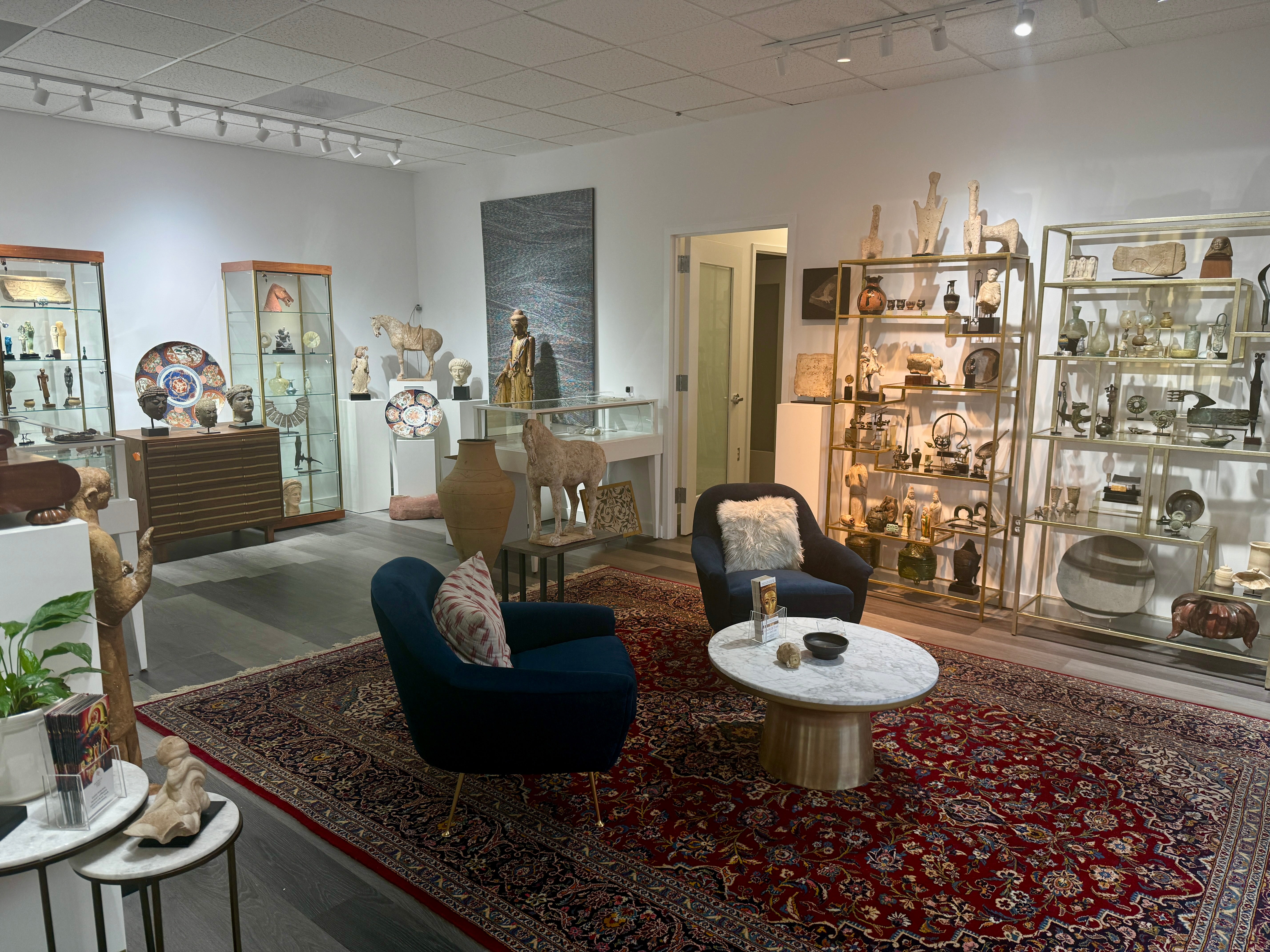
Come Visit Us!
1010 Wisconsin Ave NW, Suite 340
Washington DC. 20007
Tues - Fri, 10:00am - 6:00pm
Sat/Sun/Mon By appointment


