Zum Inhalt springen
Talisman

Talisman

tal·is·man Substantiv \ ˈ ta-ləs-mən, -ləz-\

ein Gegenstand (z. B. ein Ring oder Stein), von dem angenommen wird, dass er magische Kräfte besitzt und der Person, die ihn besitzt, gute Dinge widerfährt. : ein Gegenstand, der als Talisman dient, um Böses abzuwenden und Glück zu bringen : etwas, das scheinbar magische oder wundersame Wirkungen hervorruft (Merriam Webster Dictionary)

Sortieren nach

186 Produkte

Filter

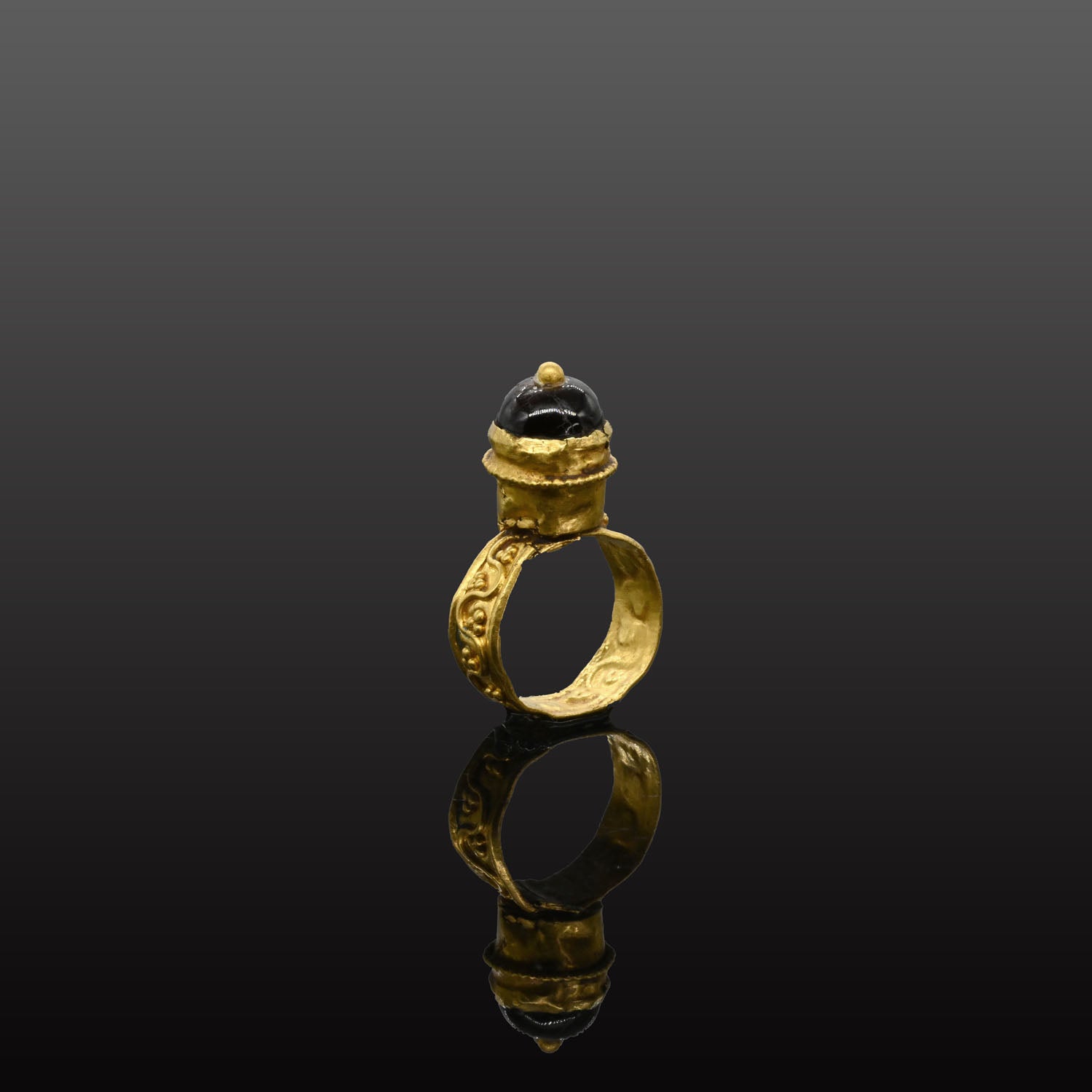
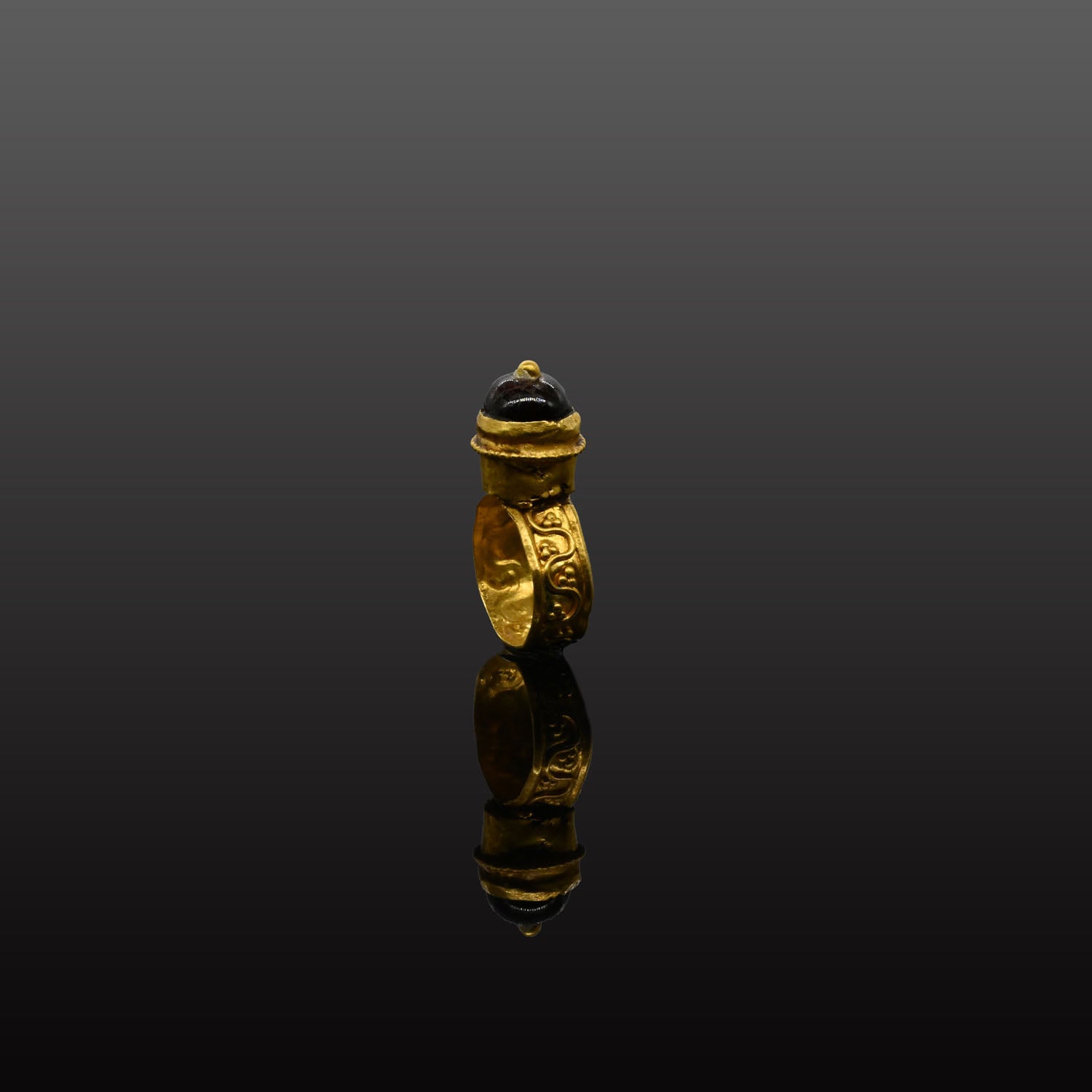
A Byzantine Garnet and Gold Domed Finger Ring, Byzantine Empire, ca. 5th - 7th century CEA Byzantine Garnet and Gold Domed Finger Ring, Byzantine Empire, ca. 5th - 7th century CE
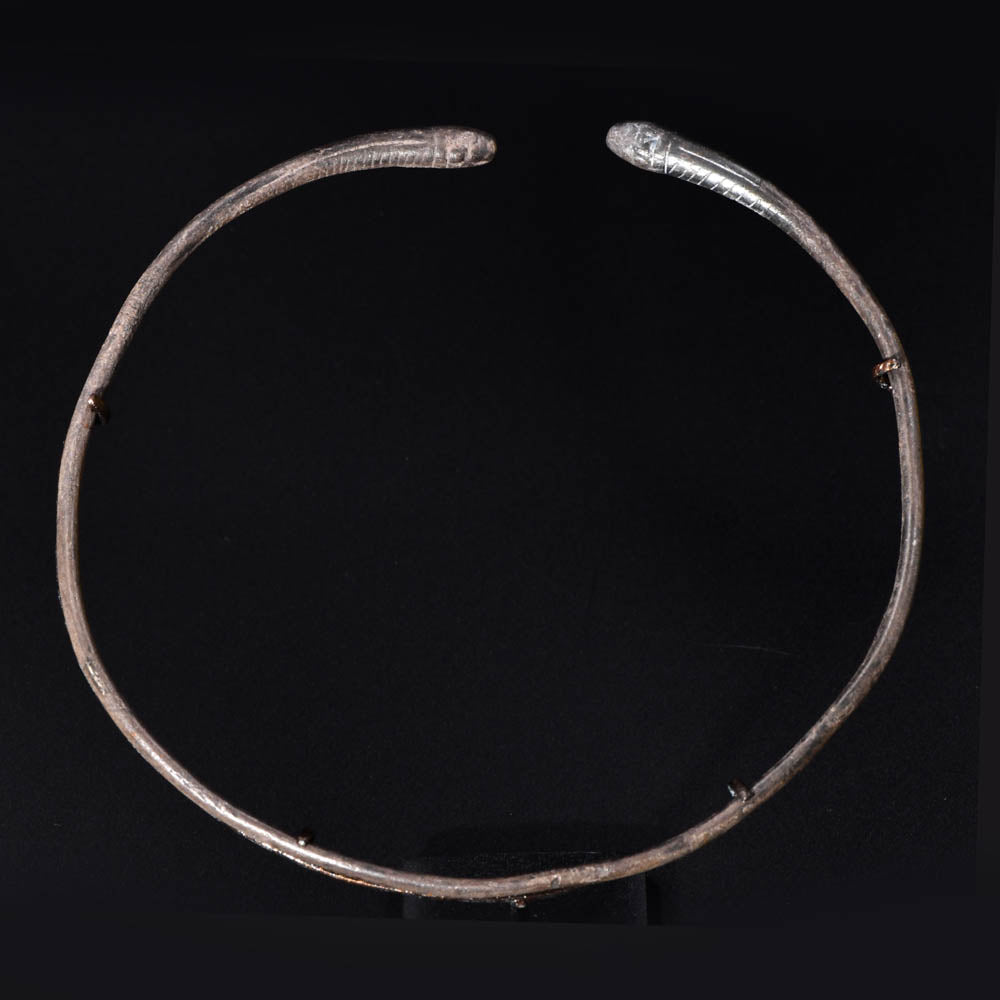
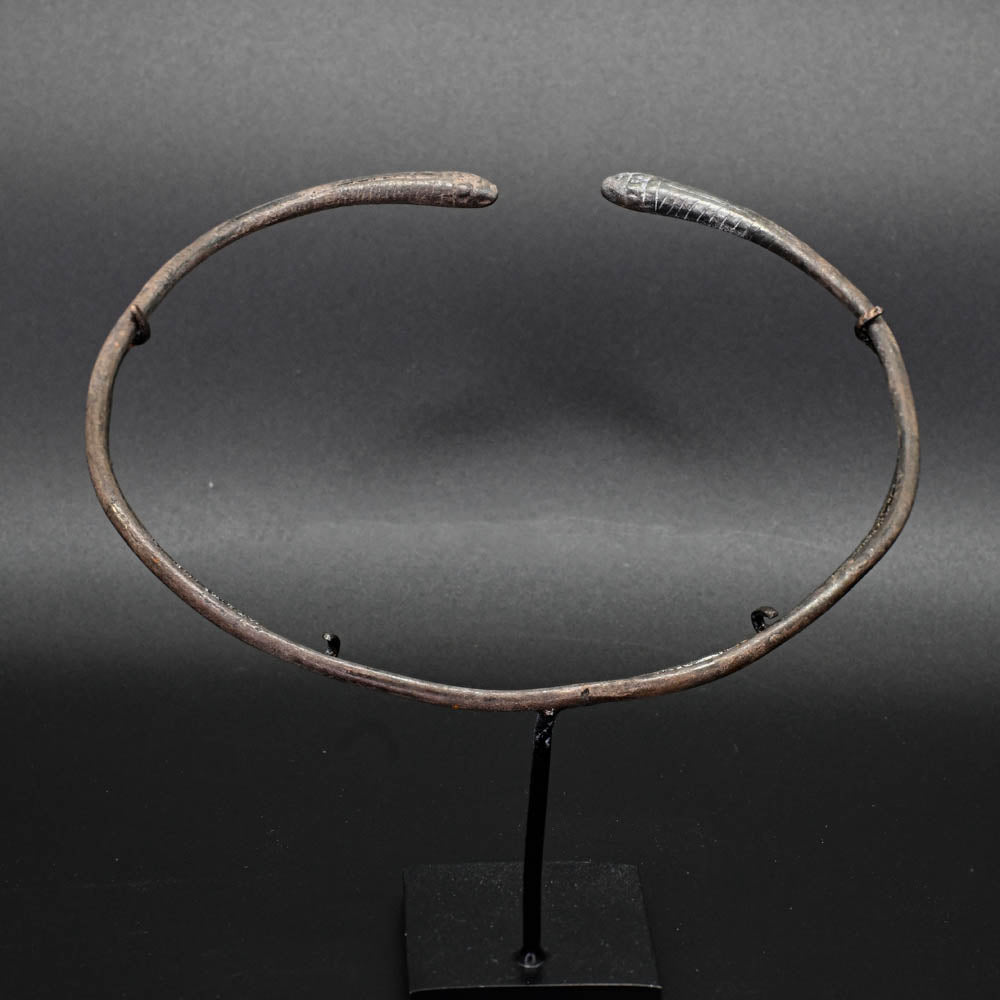
A Near Eastern Bronze Snake Head Torque, Parthian Period, ca. 247 BCE - 224 CEA Near Eastern Bronze Snake Head Torque, Parthian Period, ca. 247 BCE - 224 CE
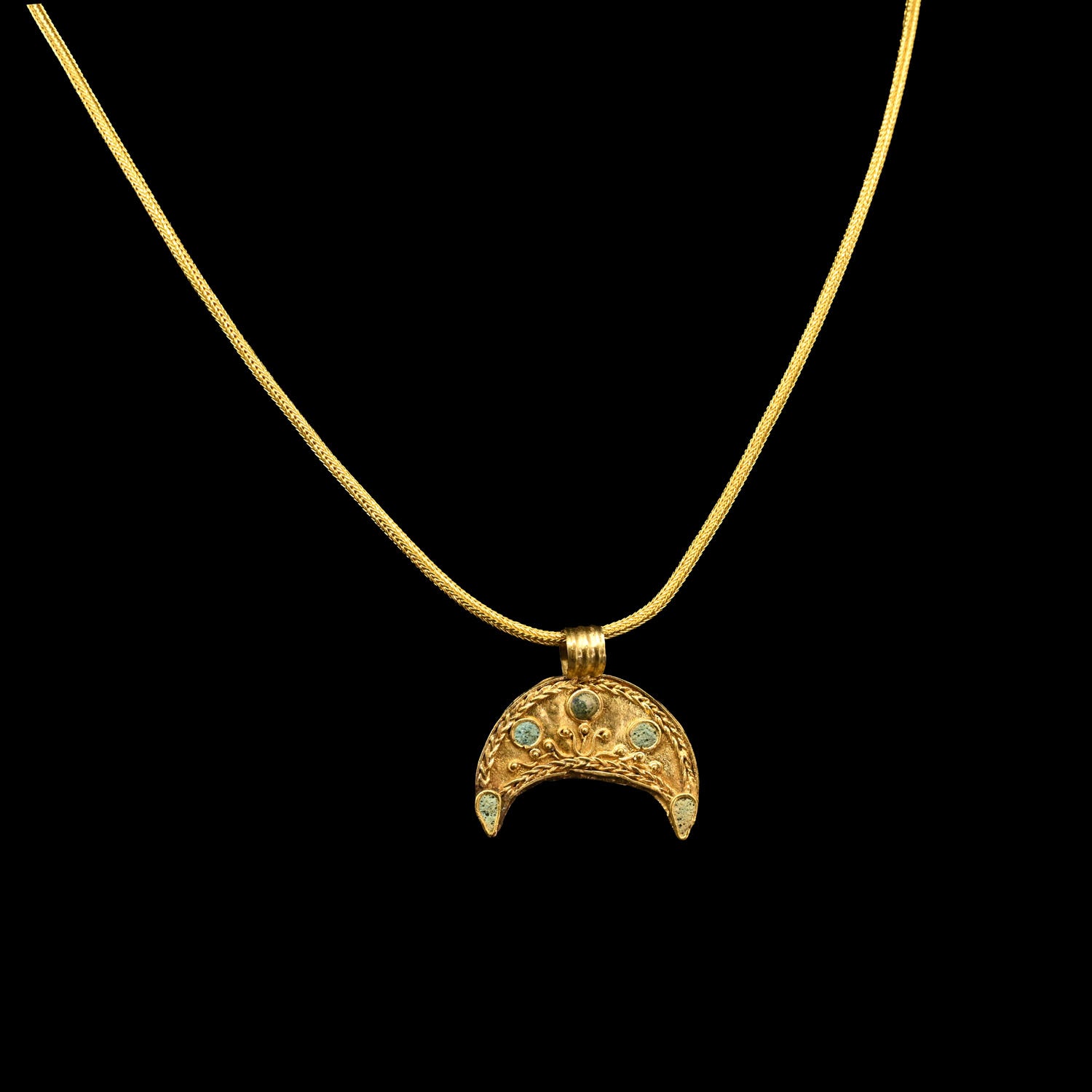
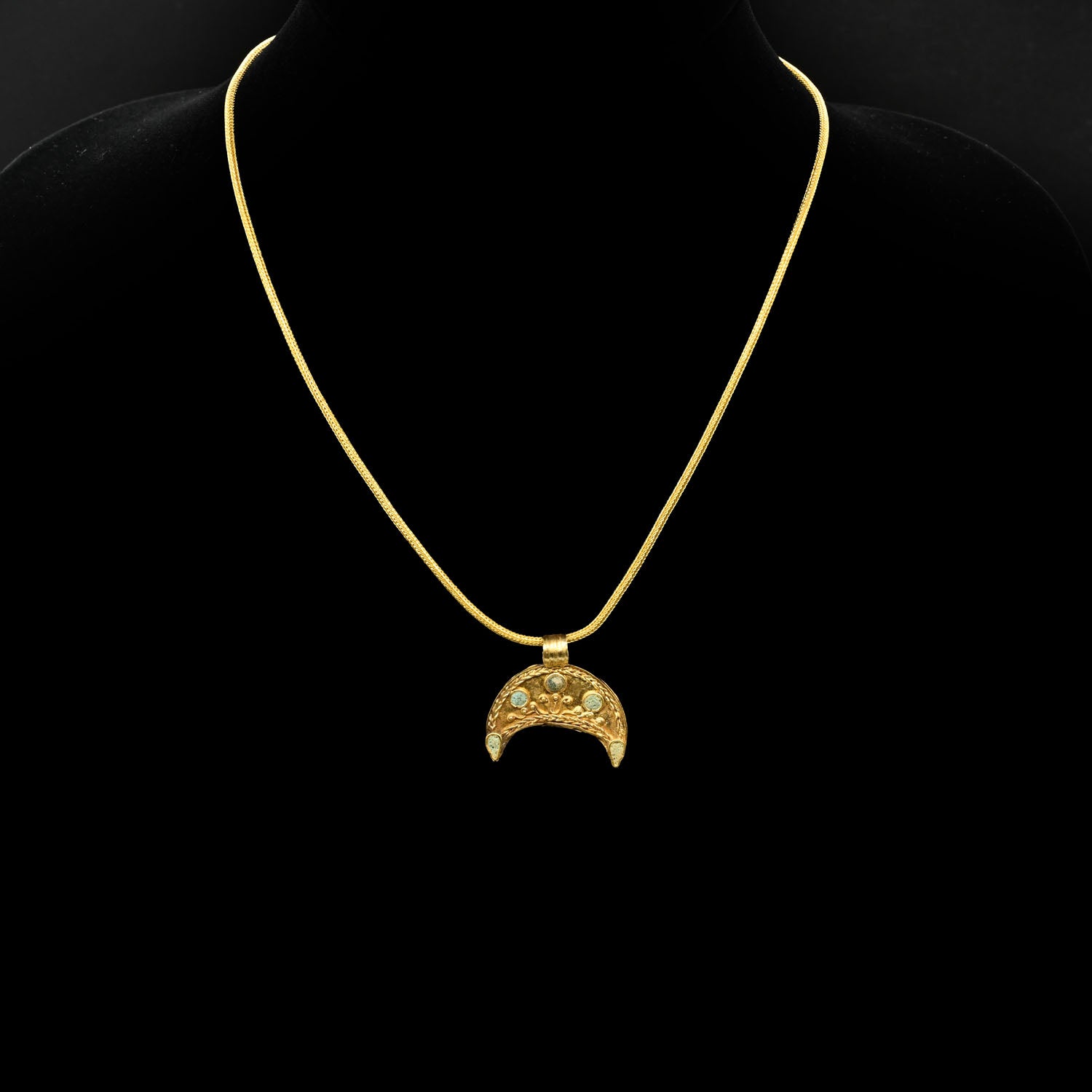
A superb Hellenistic Gold and Glass Crescent Pendant, ca. 2nd century BCEA superb Hellenistic Gold and Glass Crescent Pendant, ca. 2nd century BCE
A pretty Hellenistic gold and garnet pendant, ca. 3rd - 1st century BCEA pretty Hellenistic gold and garnet pendant, ca. 3rd - 1st century BCE
Ein hellenistischer Goldgranulat-Anhänger, östliches Mittelmeer,<br> <em>ca. 3. – 1. Jahrhundert v. Chr</em>Ein hellenistischer Goldgranulat-Anhänger, östliches Mittelmeer,<br> <em>ca. 3. – 1. Jahrhundert v. Chr</em>
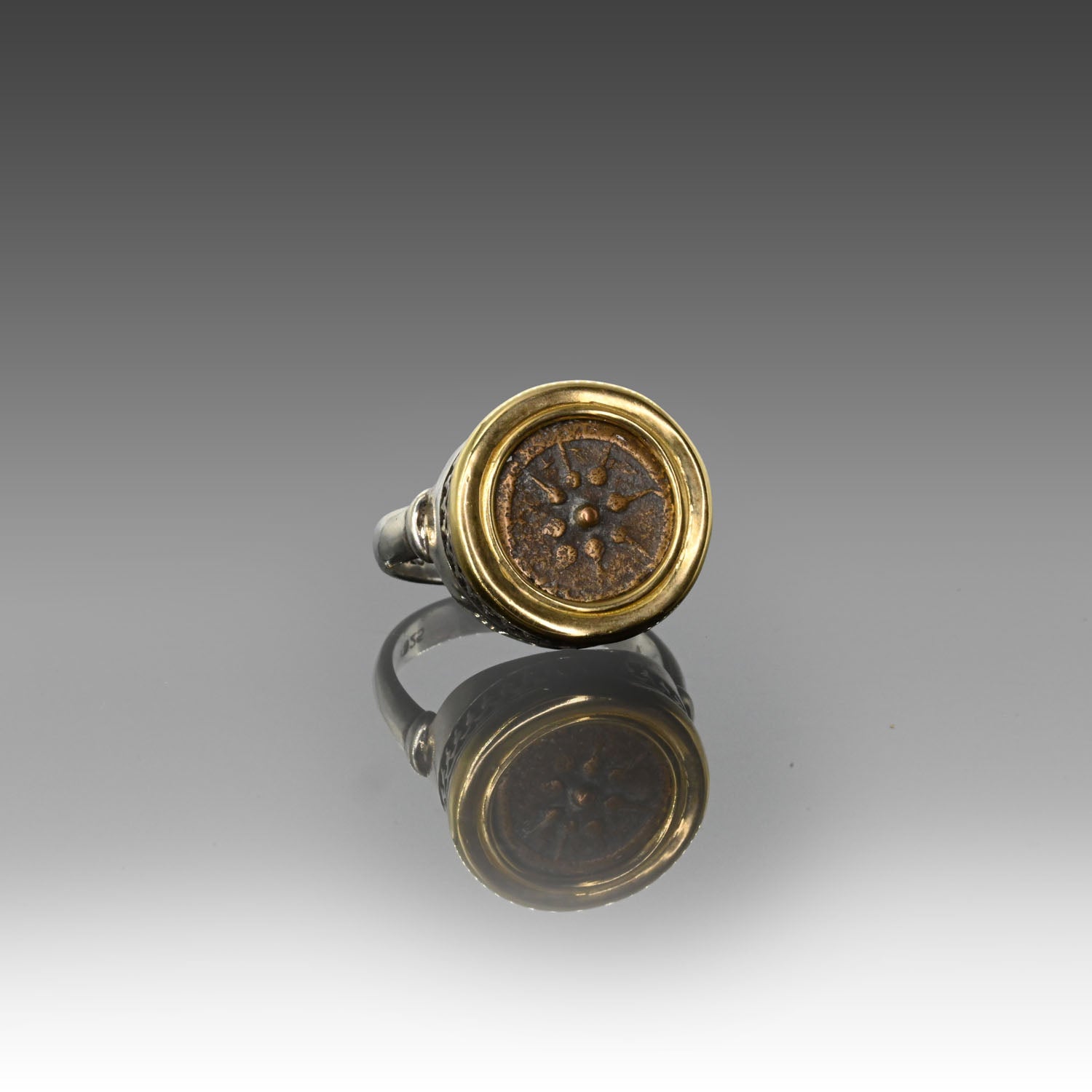
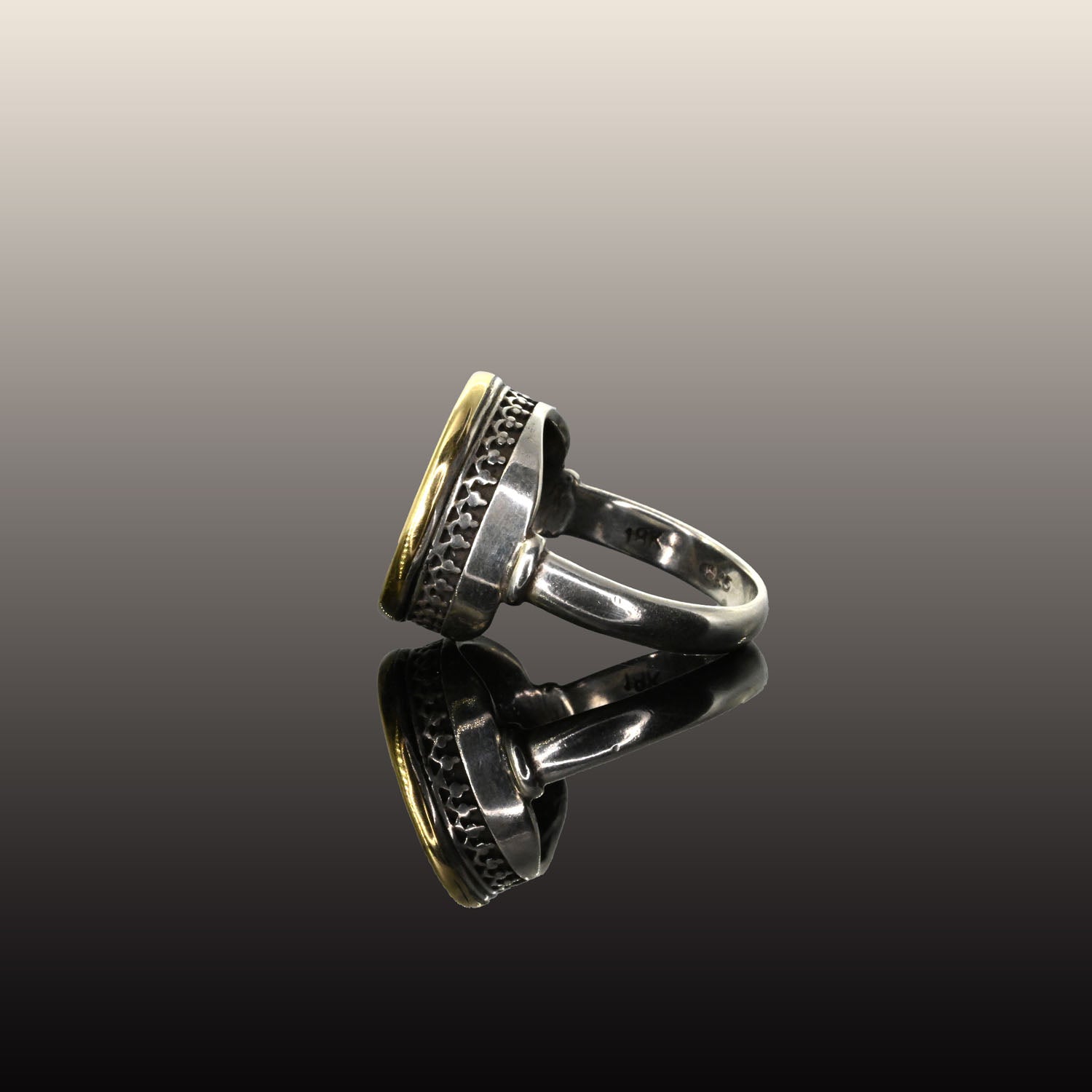
A Silver and Gold Ring With Ancient Widows Mite Biblical Coin, ca. 103 - 76 BCEA Silver and Gold Ring With Ancient Widows Mite Biblical Coin, ca. 103 - 76 BCE
A rare Egyptian Steatite Scaraboid Seal, New Kingdom, 18th Dynasty, ca. 1550 - 1479 BCEA rare Egyptian Steatite Scaraboid Seal, New Kingdom, 18th Dynasty, ca. 1550 - 1479 BCE
Ein großes mesopotamisches Stempelsiegel, Uruk-Zeit, ca. 4000 - 3000 v. ChrEin großes mesopotamisches Stempelsiegel, Uruk-Zeit, ca. 4000 - 3000 v. Chr
A rare Anatolian Marble Violin Idol, Early Bronze Age, ca. 3000 - 2500 BCEA rare Anatolian Marble Violin Idol, Early Bronze Age, ca. 3000 - 2500 BCE
Roman Silver Denarius Coin with Roma set as a pendant, Roman Republic, ca. ca. 189 - 180 BCERoman Silver Denarius Coin with Roma set as a pendant, Roman Republic, ca. ca. 189 - 180 BCE
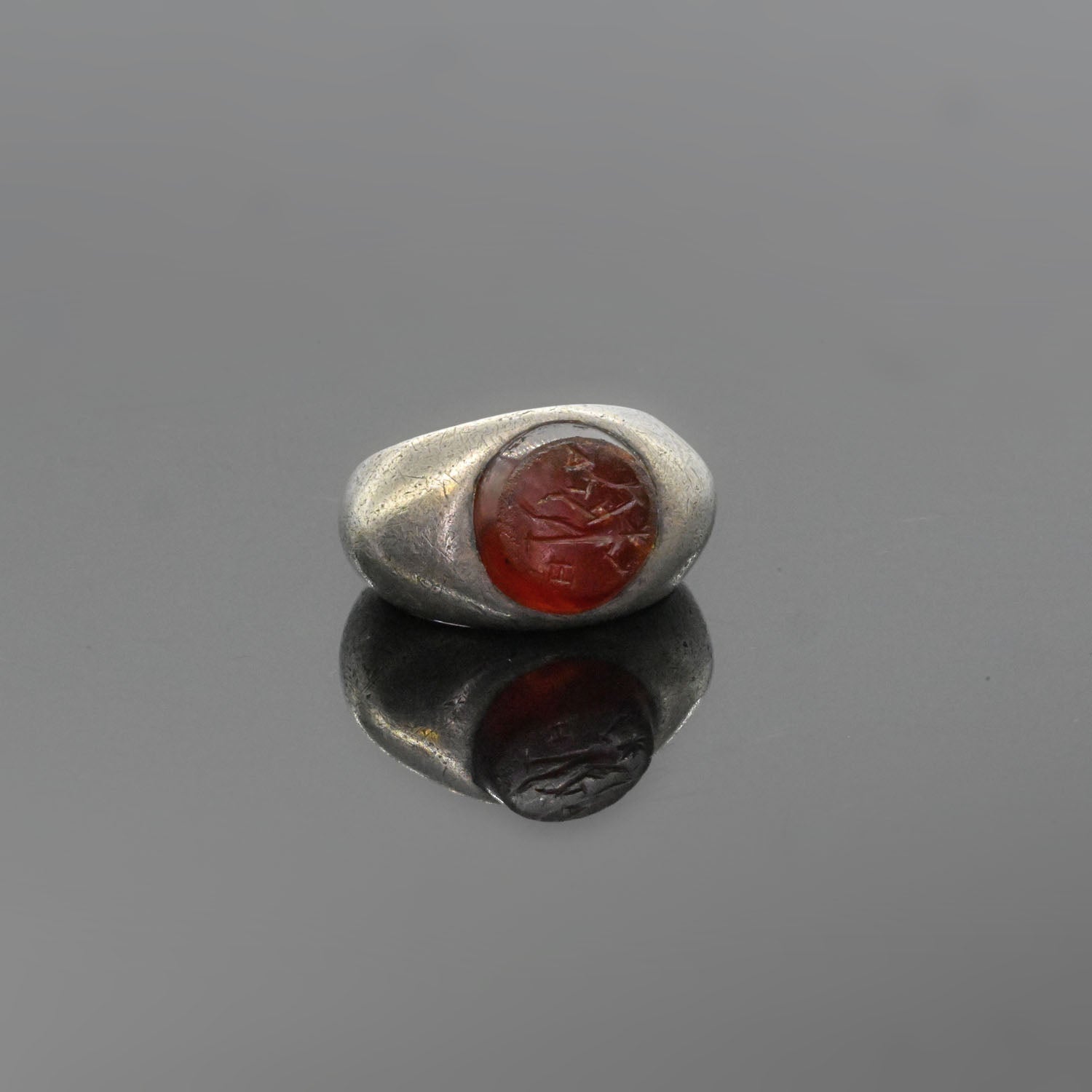
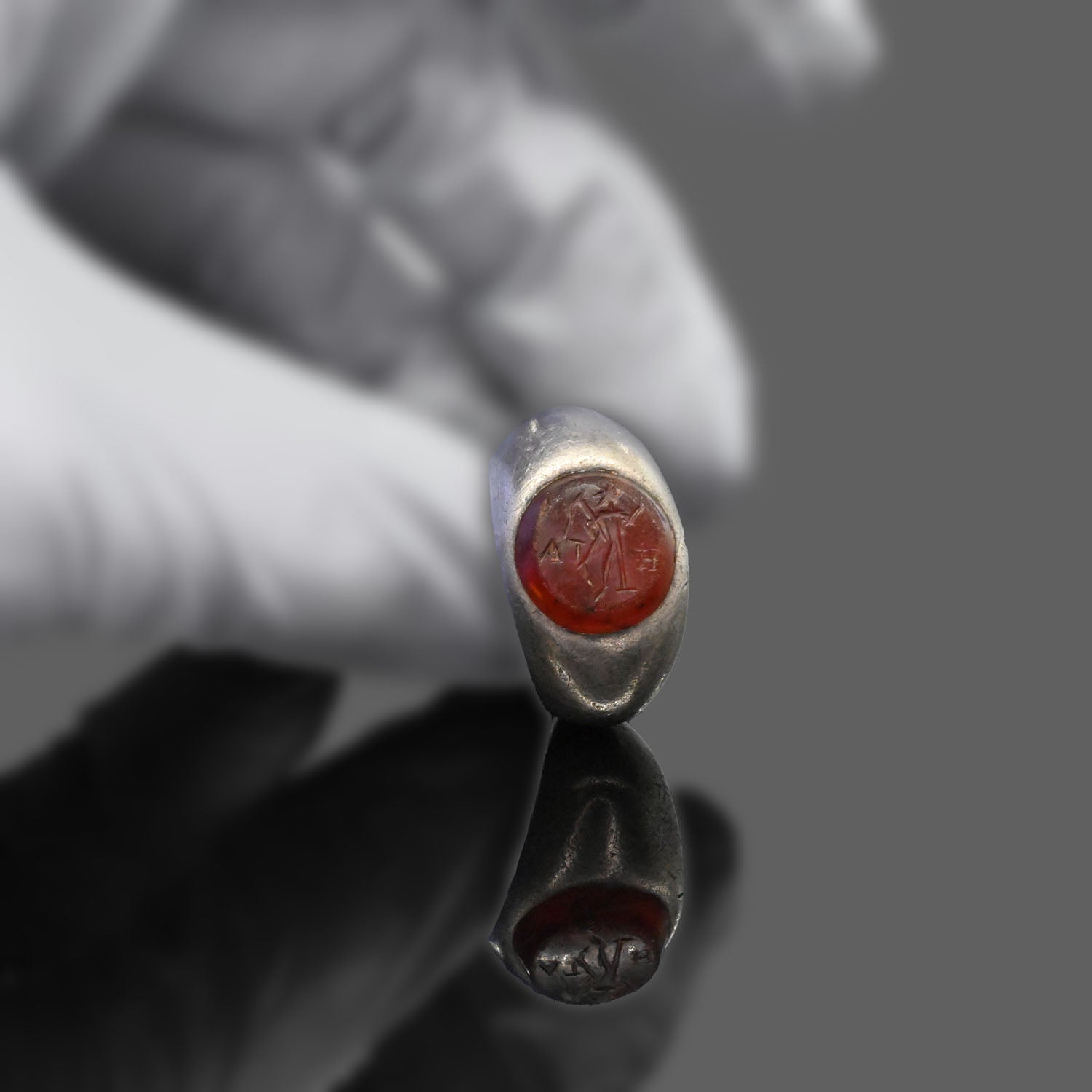
Roman Silver & Carnelian Finger Ring, Roman Imperial Period, ca. 2nd - 3rd century CERoman Silver & Carnelian Finger Ring, Roman Imperial Period, ca. 2nd - 3rd century CE
A Chimu Spondyllus Duck Amulet, ca. 800 - 1400 CEA Chimu Spondyllus Duck Amulet, ca. 800 - 1400 CE
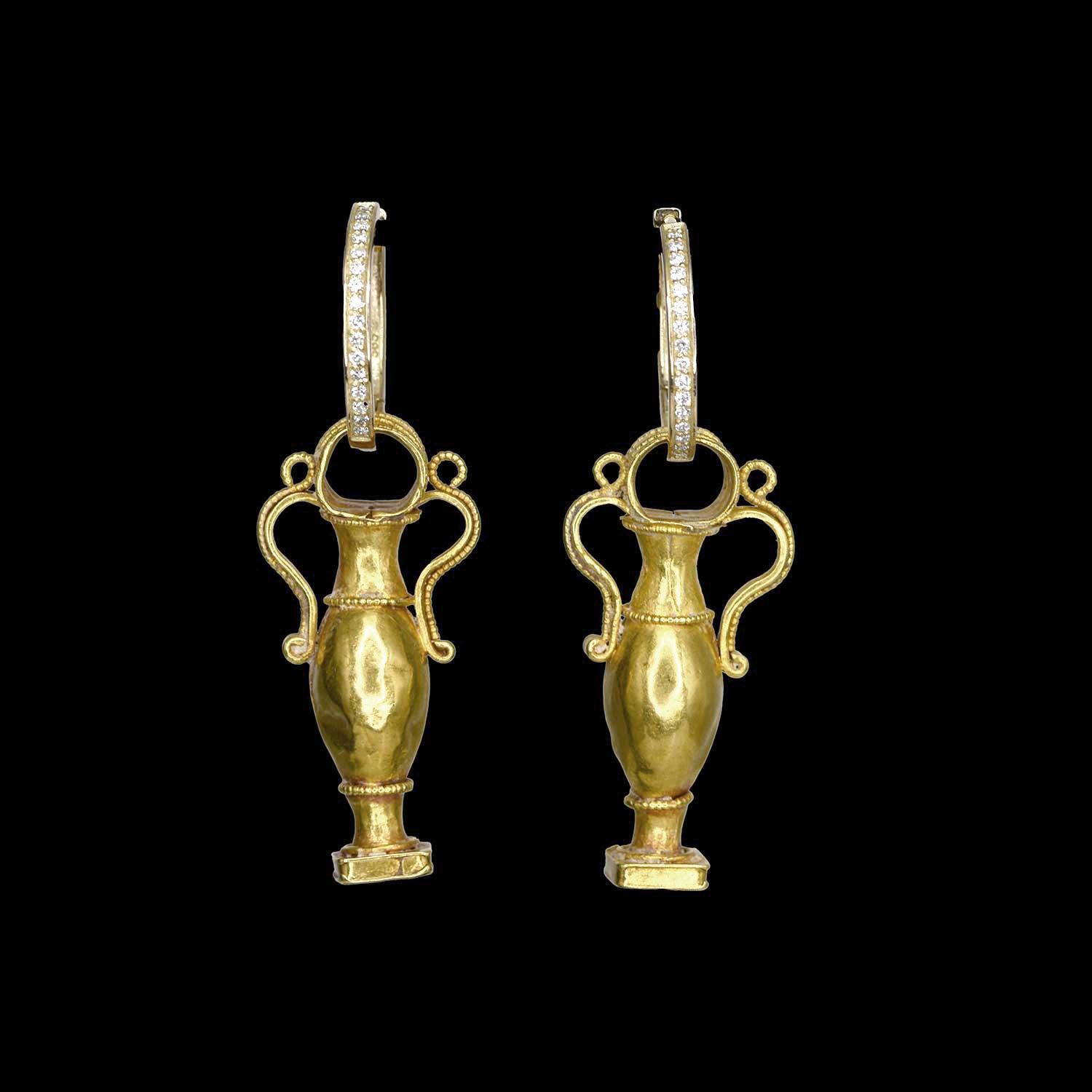
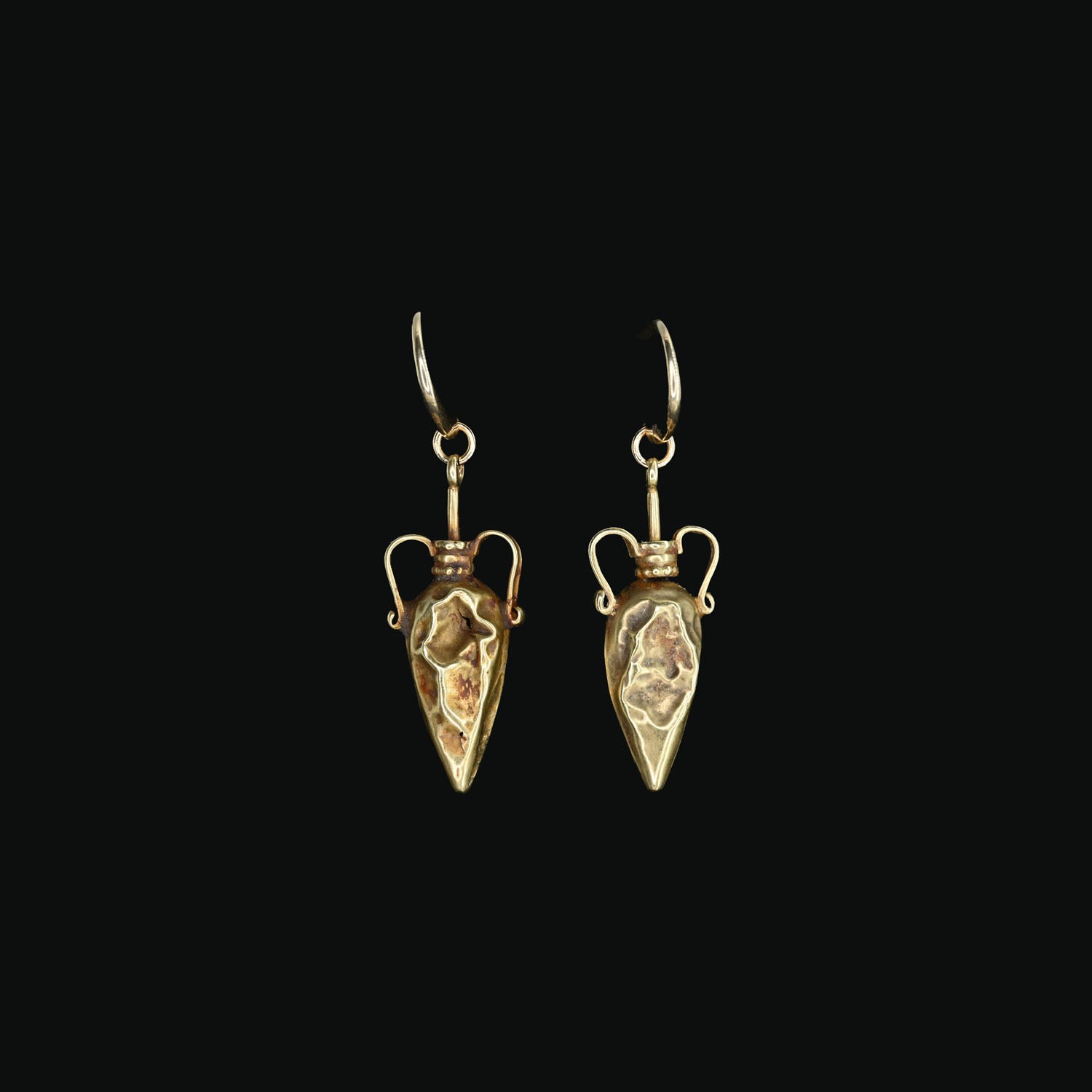
A fine Pair of Roman Gold Amphora Earrings, ca. 1st -2nd century CEA fine Pair of Roman Gold Amphora Earrings, ca. 1st -2nd century CE
A Persian Carnelian Dome Seal set as a Pendant, Achaemenid Empire, ca. 550 - 330 BCEA Persian Carnelian Dome Seal set as a Pendant, Achaemenid Empire, ca. 550 - 330 BCE
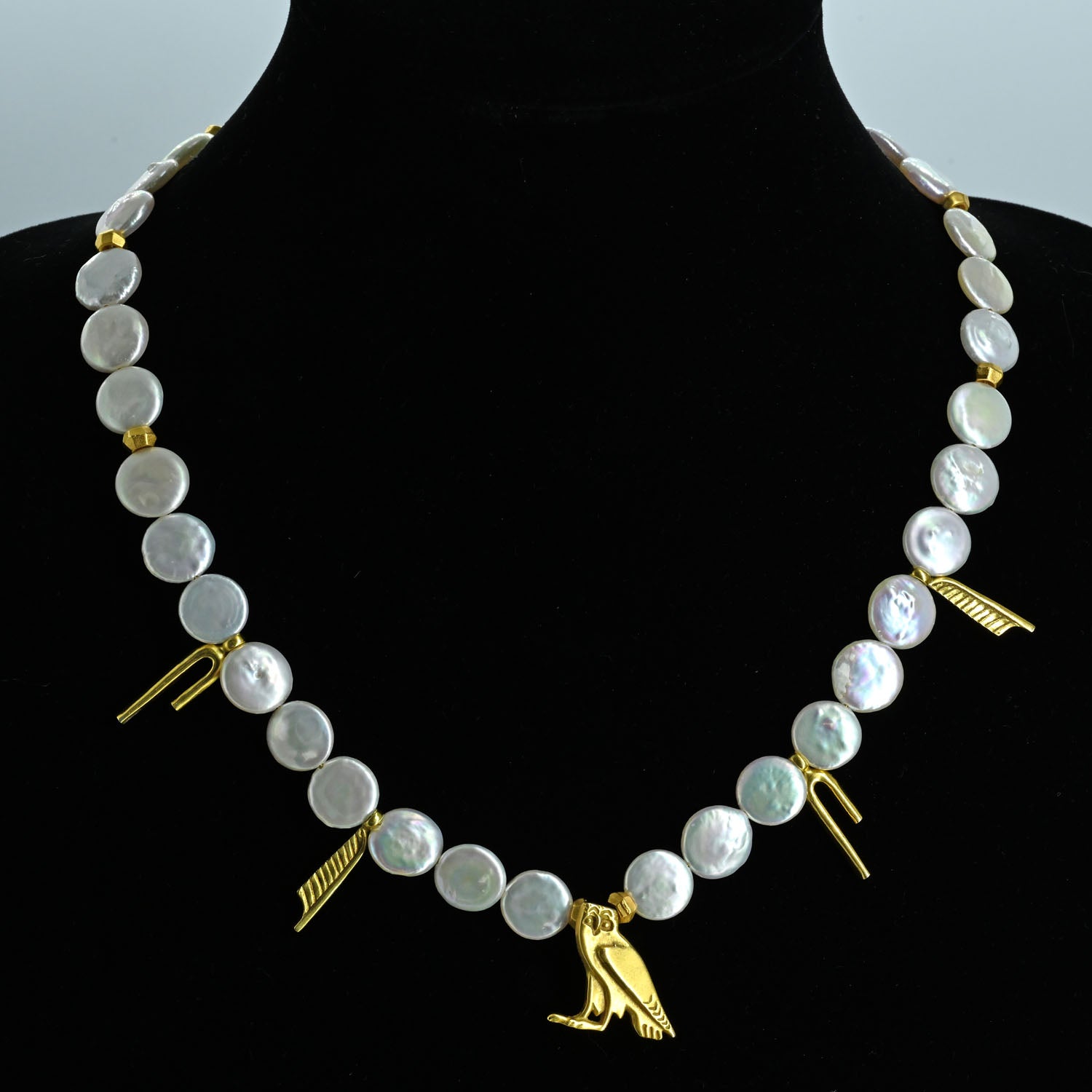
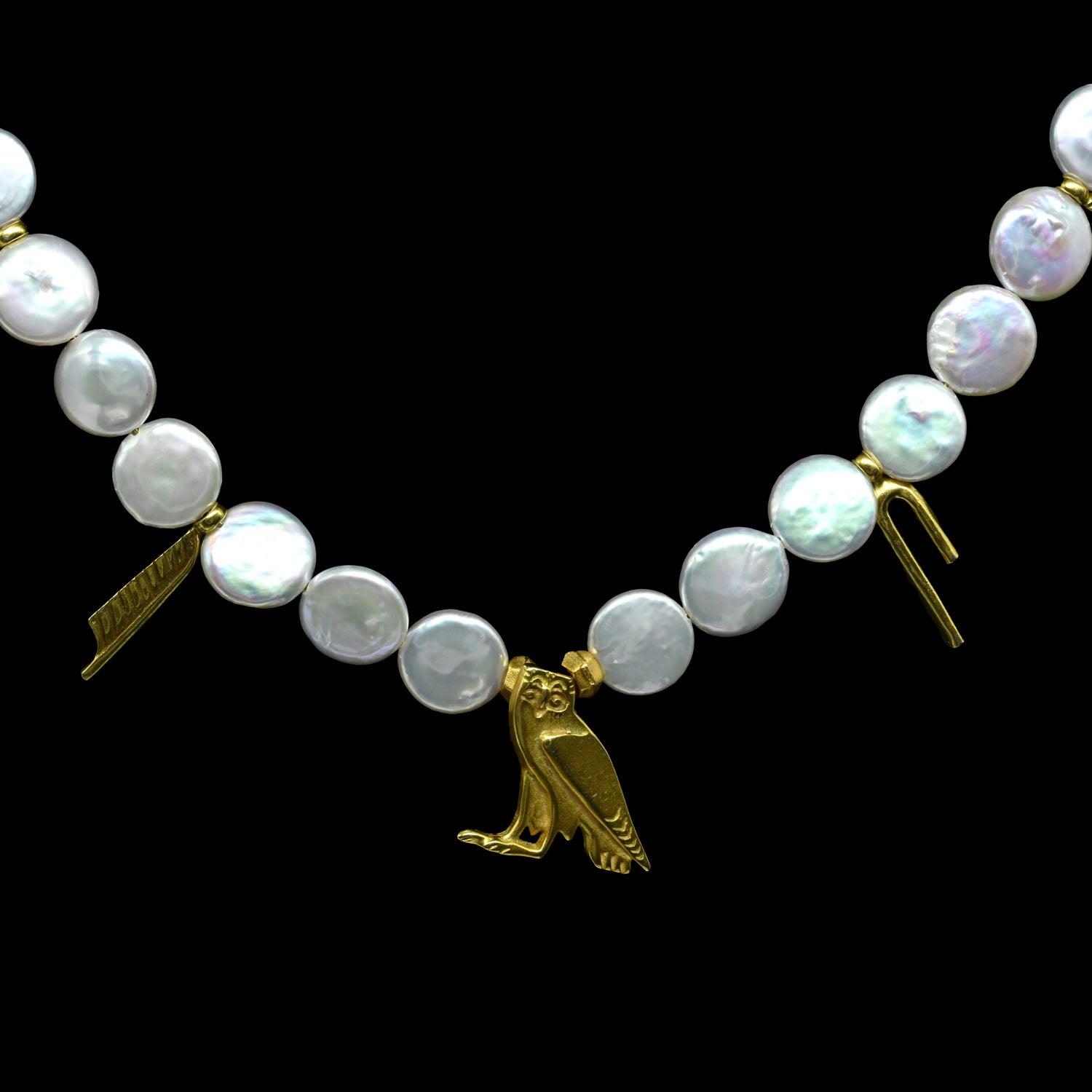
Vintage Gold-plated Charm Pendants on a Necklace, MMA 1976Vintage Gold-plated Charm Pendants on a Necklace, MMA 1976
A fine Andean Bird Pendant, ca. 500 - 1500 CEA fine Andean Bird Pendant, ca. 500 - 1500 CE
A pair of east Roman Amphora Pendants set as Earrings, ca. 1st century BCE - 1st century CEA pair of east Roman Amphora Pendants set as Earrings, ca. 1st century BCE - 1st century CE
A Roman Carnelian Intaglio Ringstone of Mercury, Roman Imperial Period, ca. 1st - 2nd century CEA Roman Carnelian Intaglio Ringstone of Mercury, Roman Imperial Period, ca. 1st - 2nd century CE
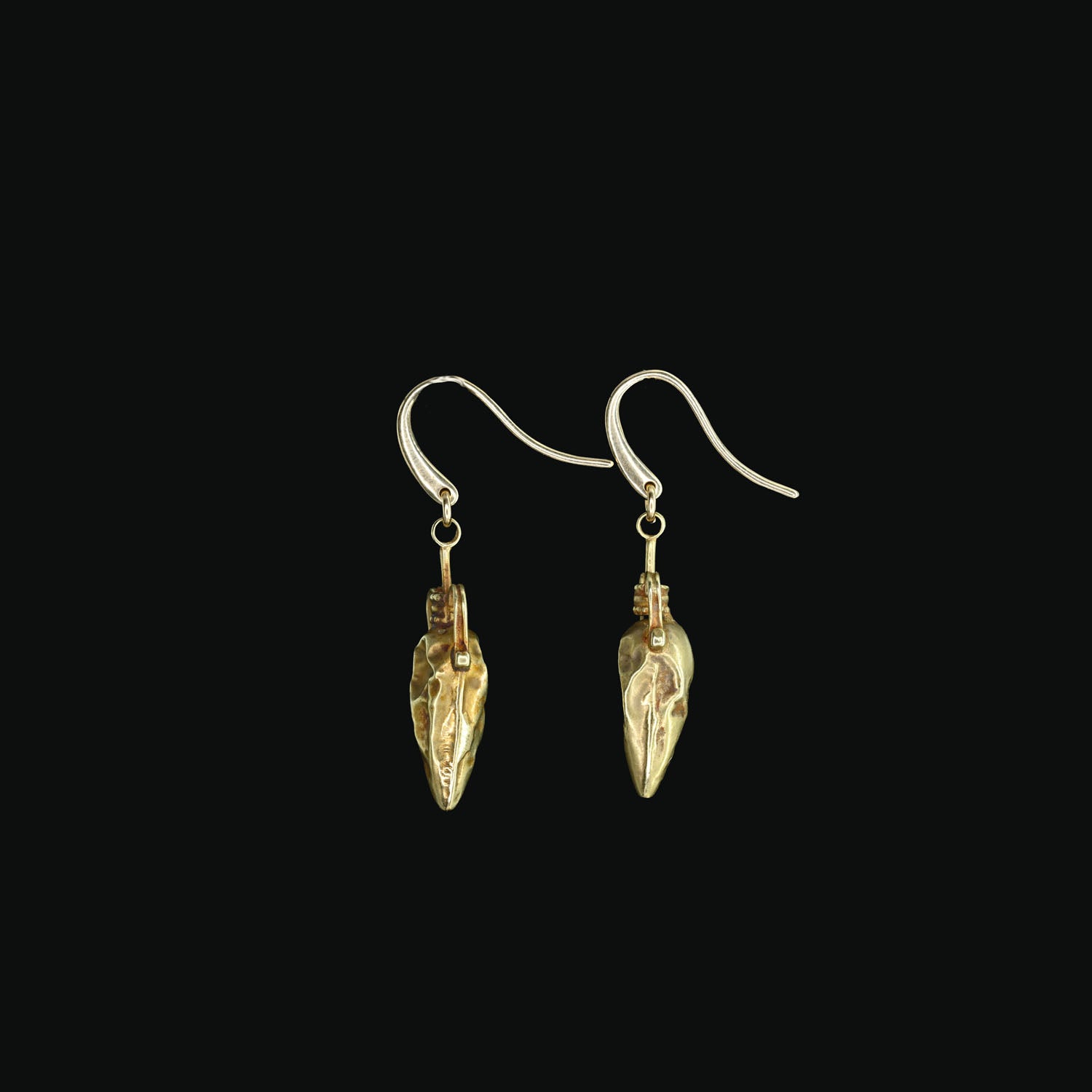
A pair of Greek gold Pendant earrings, Hellenistic Period, ca. 3rd - 1st century BCEA pair of Greek gold Pendant earrings, Hellenistic Period, ca. 3rd - 1st century BCE
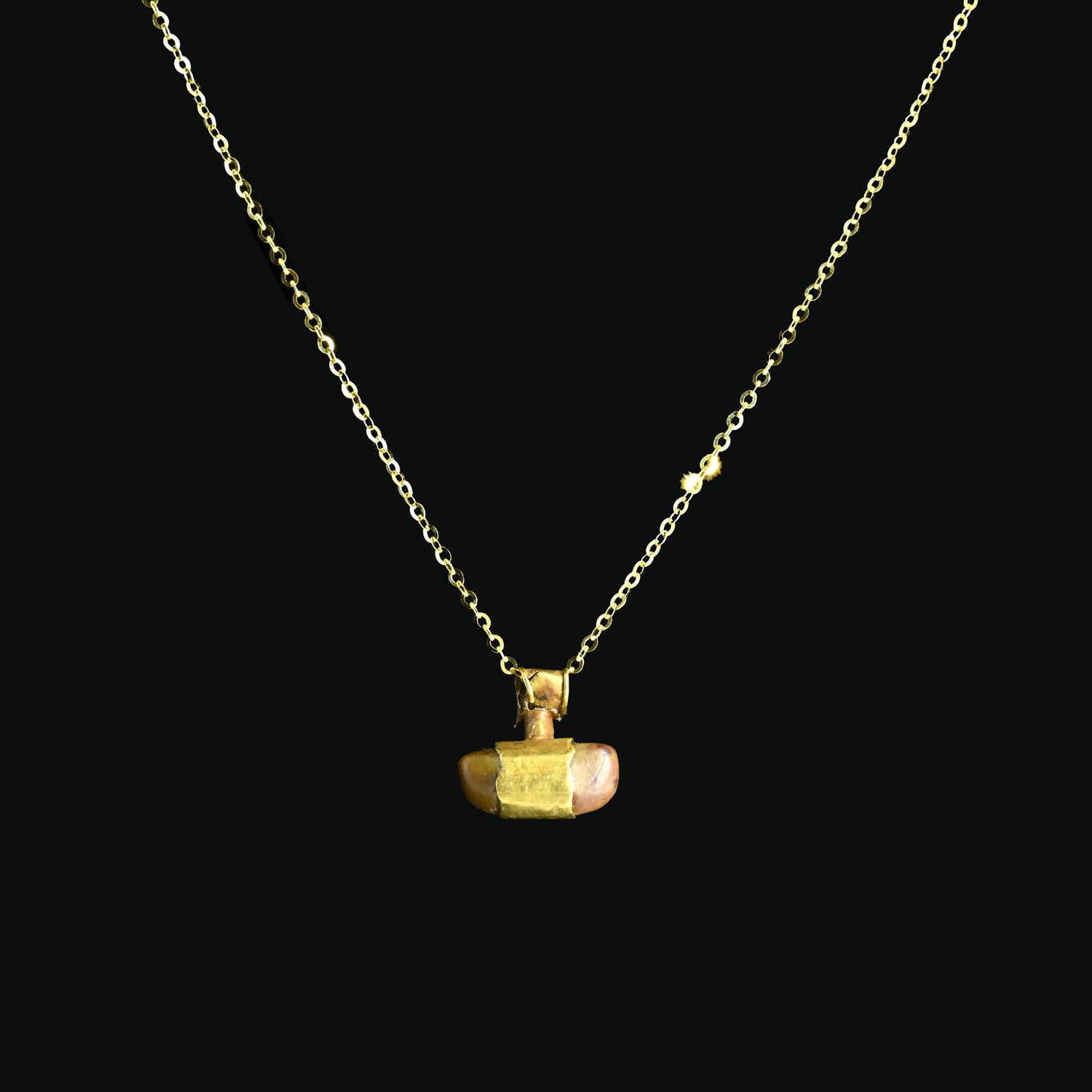
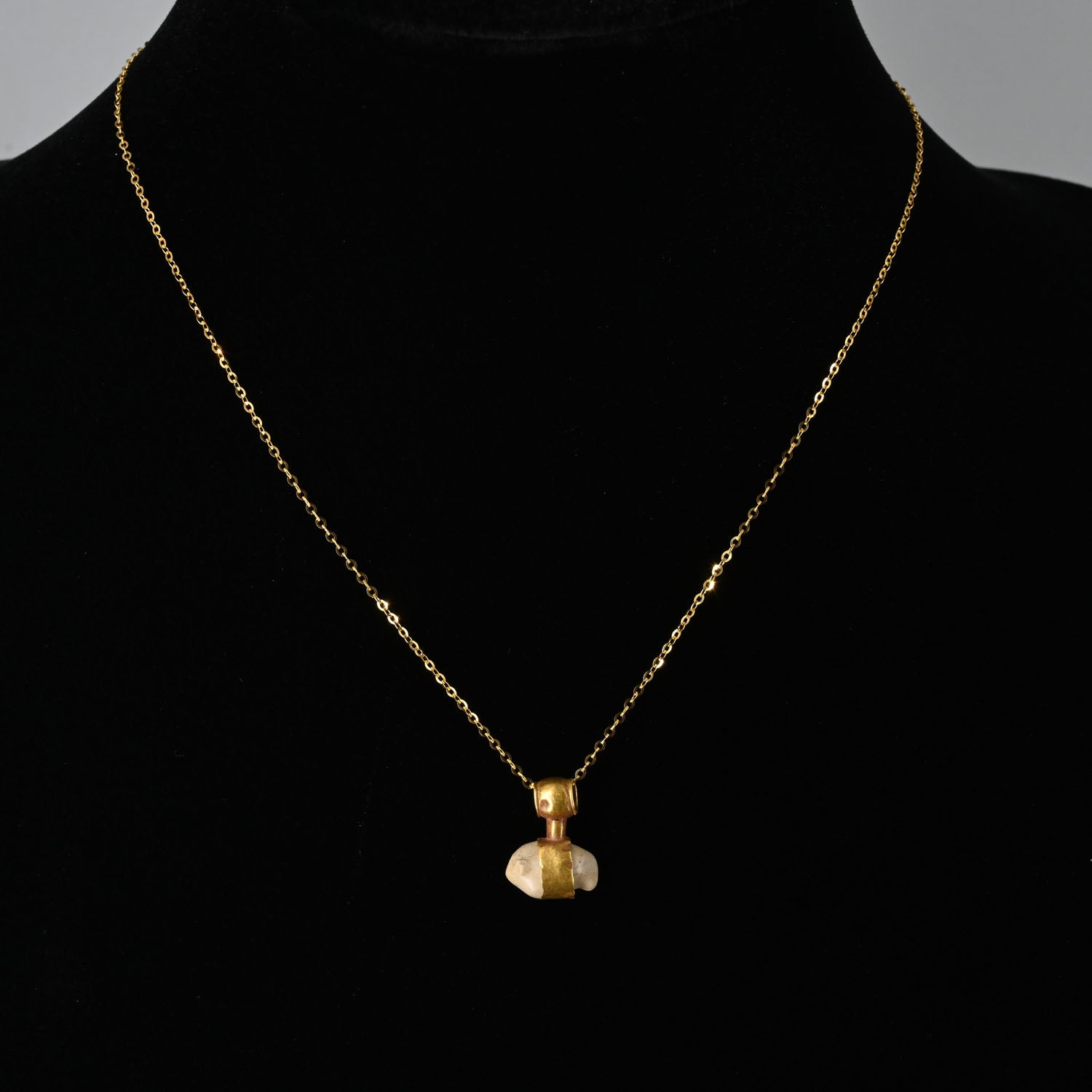
A Parthian Gold and Agate pendant, Parthian Empire, ca. 200 - 600 CEA Parthian Gold and Agate pendant, Parthian Empire, ca. 200 - 600 CE
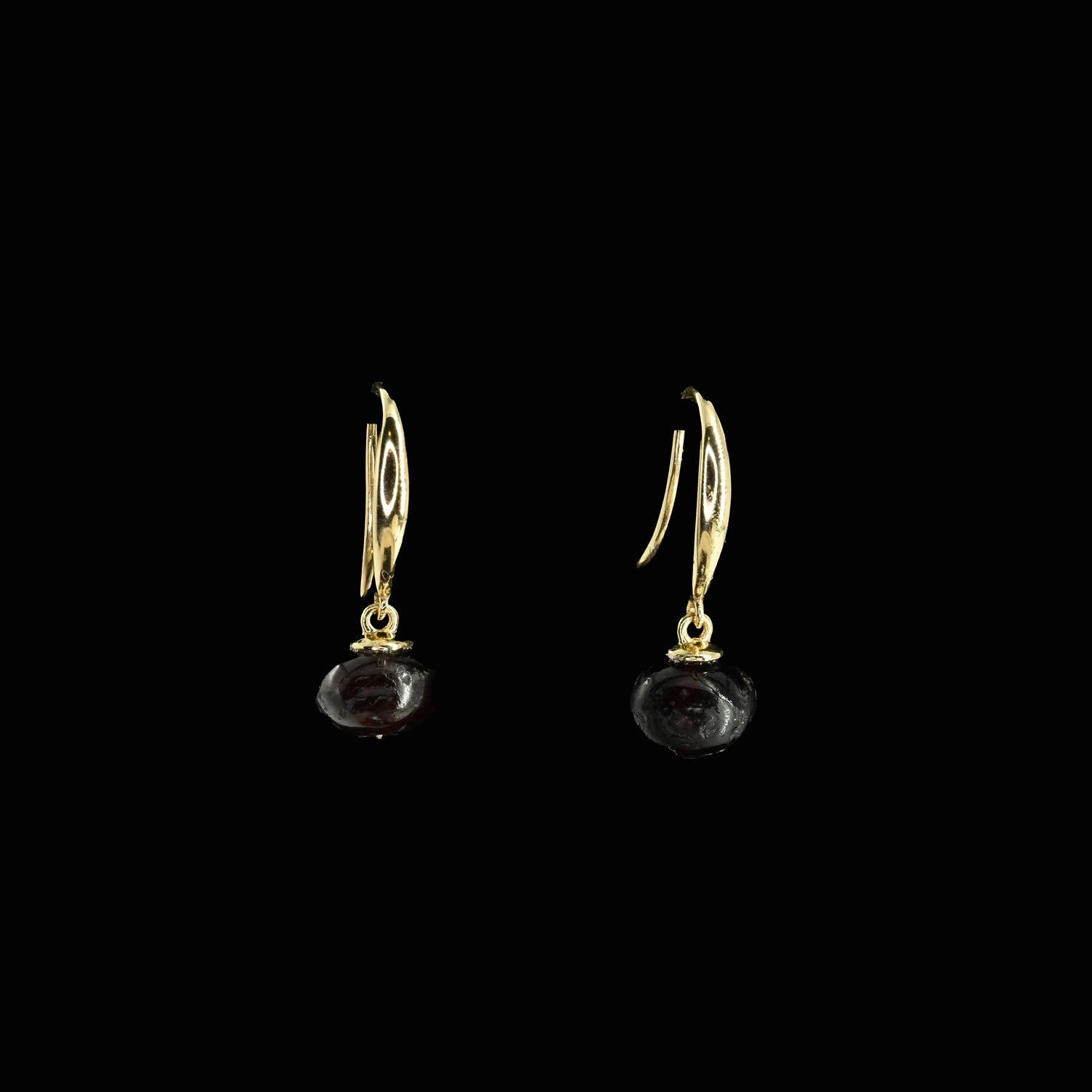
A Pair of Roman garnet earrings, Roman Imperial, ca. 1st -  2nd century CEA Pair of Roman garnet earrings, Roman Imperial, ca. 1st -  2nd century CE
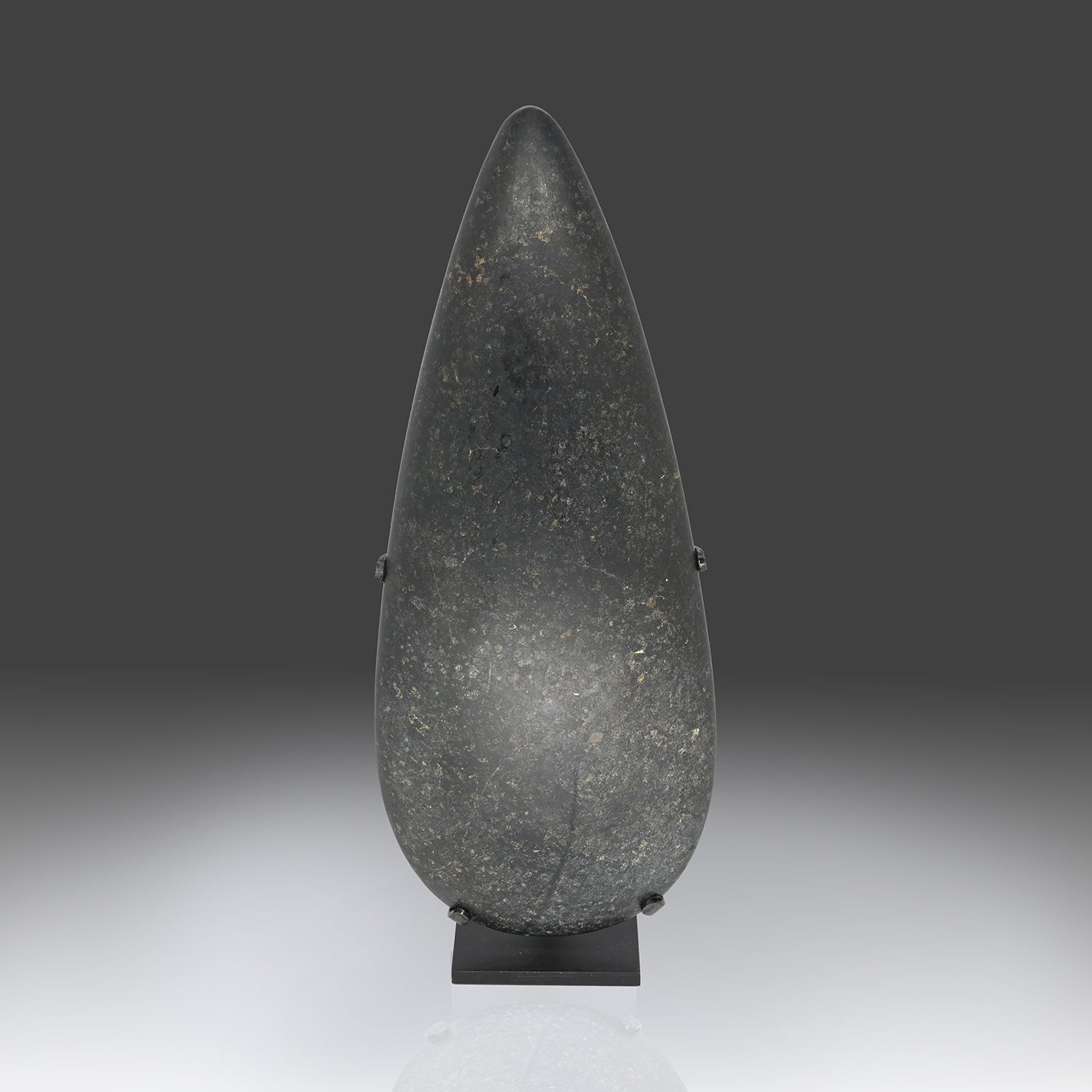
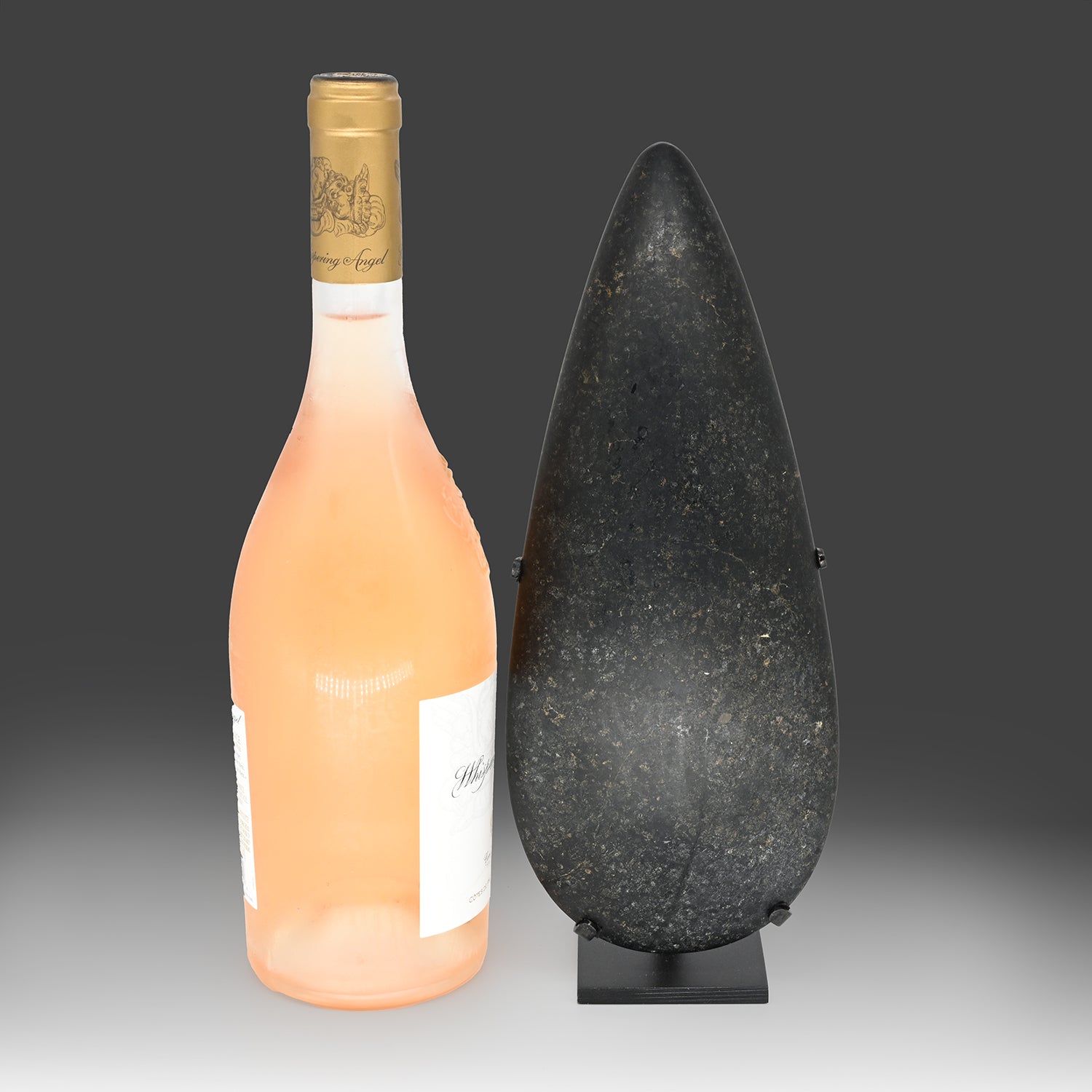
A fine Taino stone celt, ca. 7th - 15th century CEA fine Taino stone celt, ca. 7th - 15th century CE
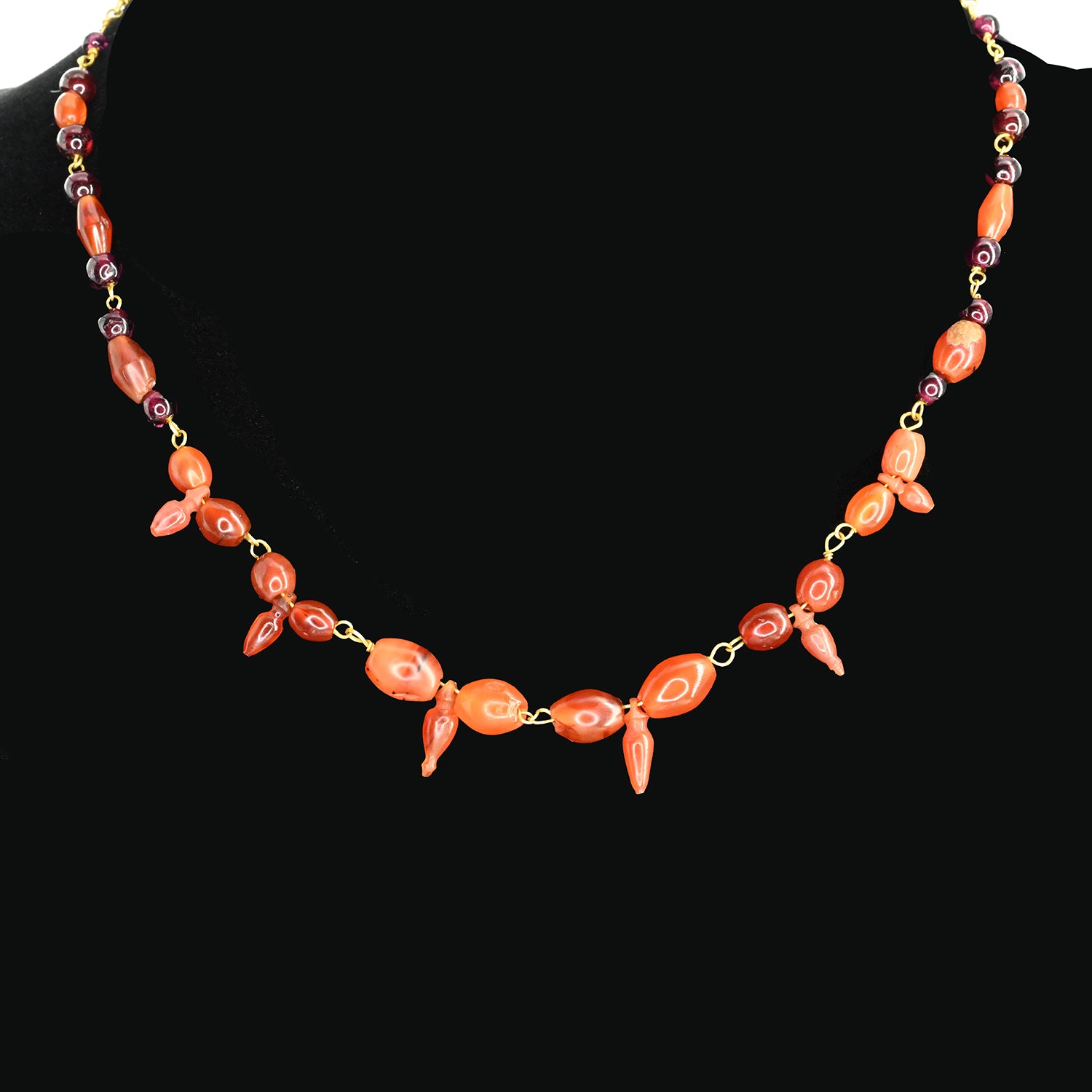
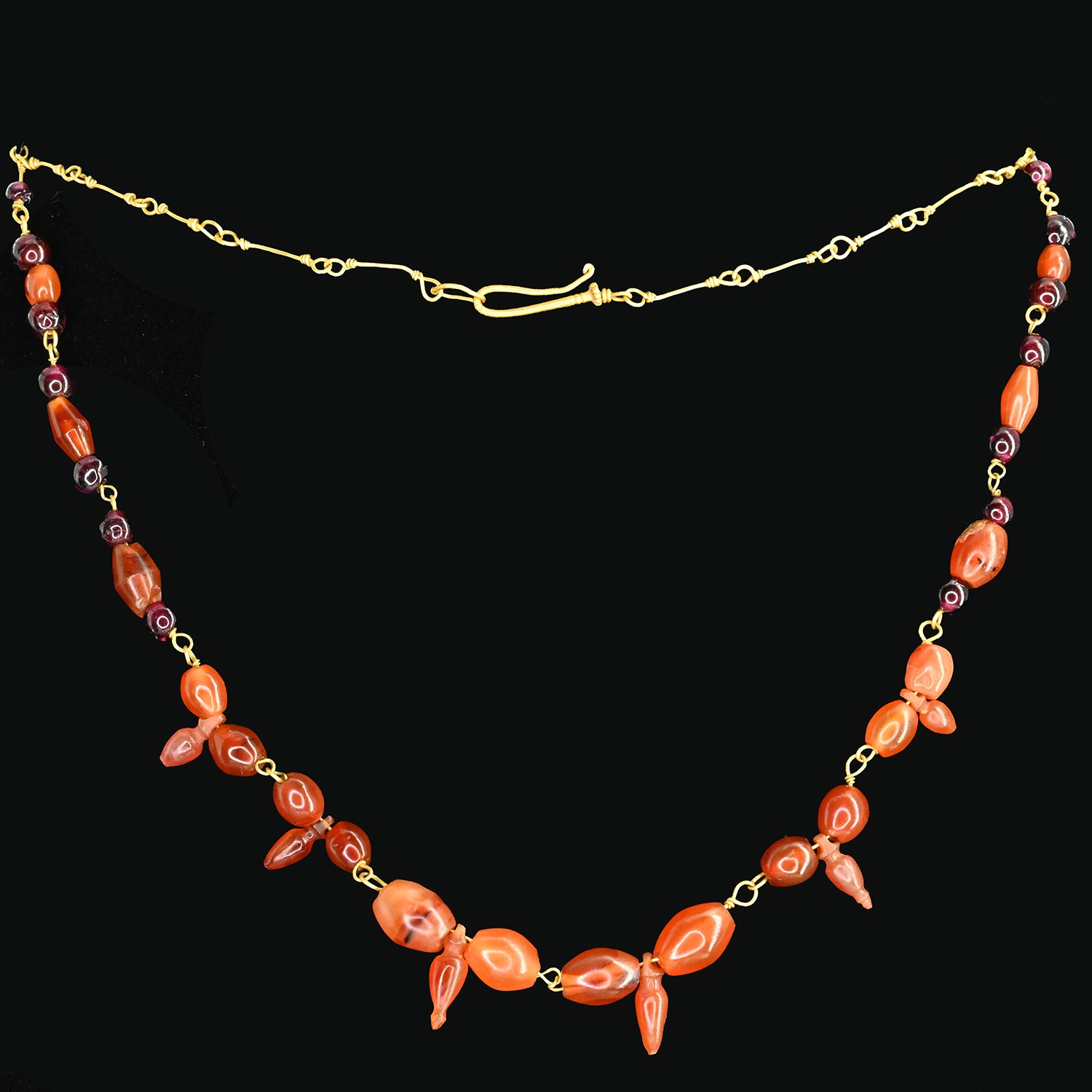
A Roman Carnelian and Garnet Necklace with Amphora Shaped Pendants, Roman Imperial Period, ca. 2nd - 3rd century CEA Roman Carnelian and Garnet Necklace with Amphora Shaped Pendants, Roman Imperial Period, ca. 2nd - 3rd century CE
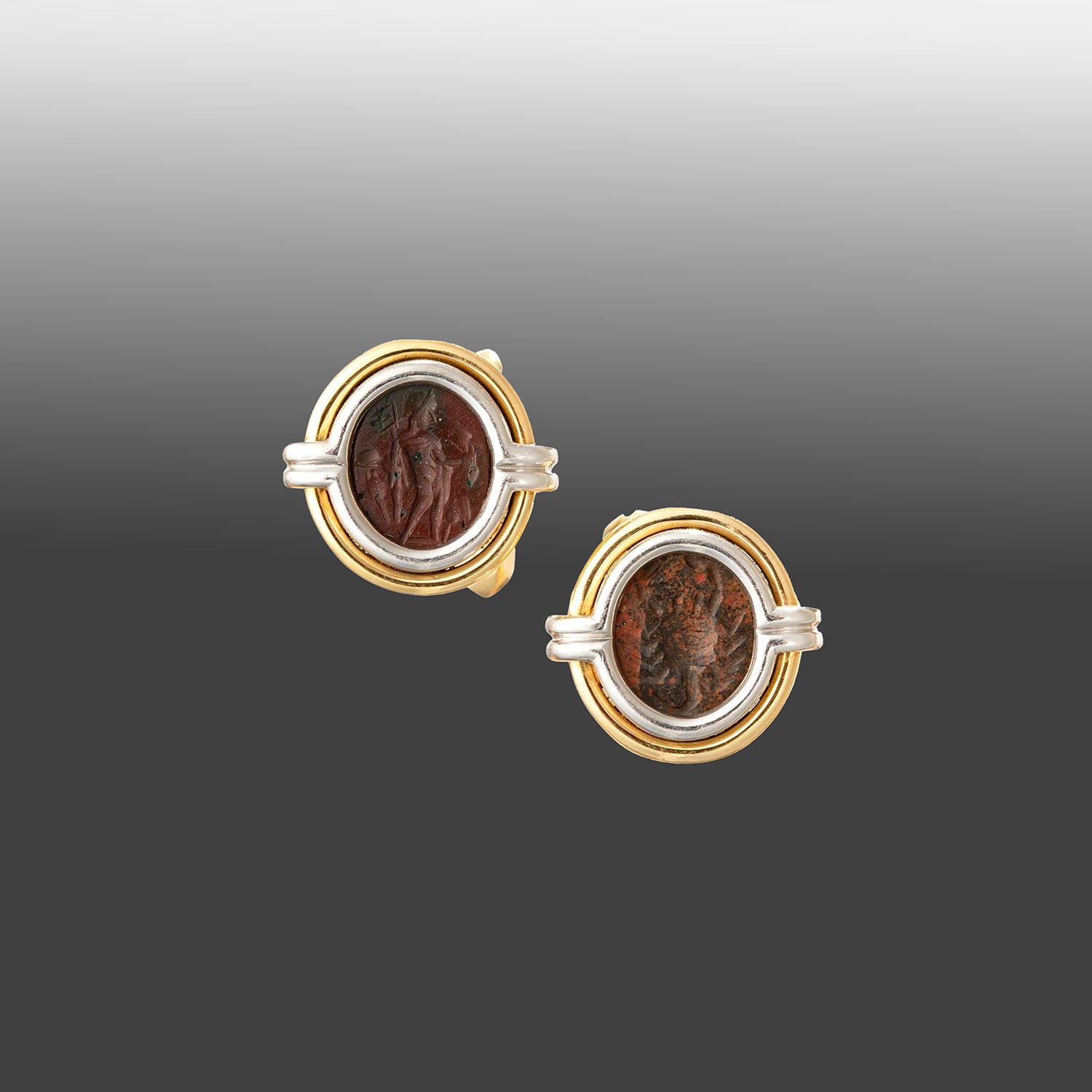
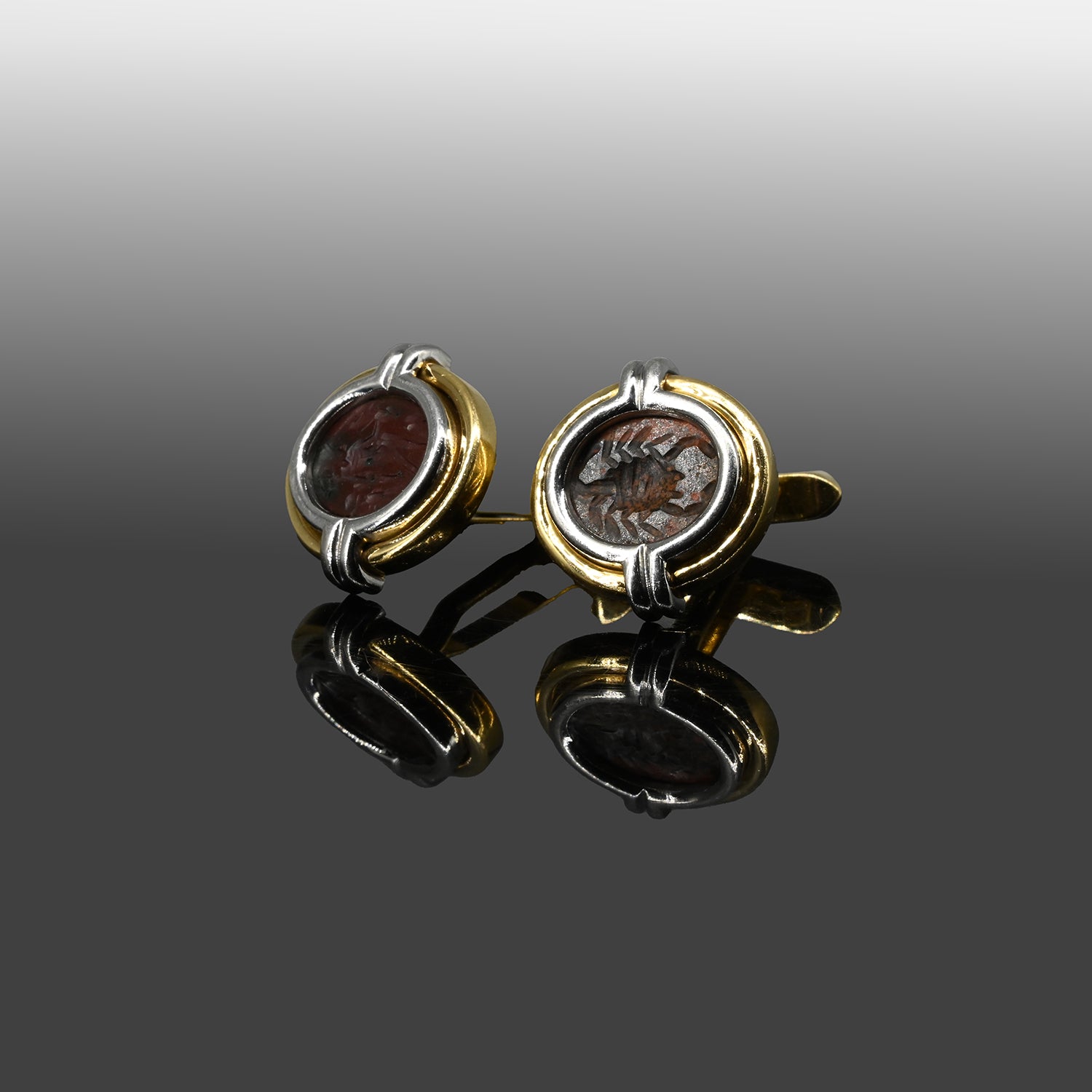
An exceptional pair of Vintage Bulgari Gold Cufflinks with Roman Intaglios, Roman Imperial Period, ca. 2nd century CEAn exceptional pair of Vintage Bulgari Gold Cufflinks with Roman Intaglios, Roman Imperial Period, ca. 2nd century CE
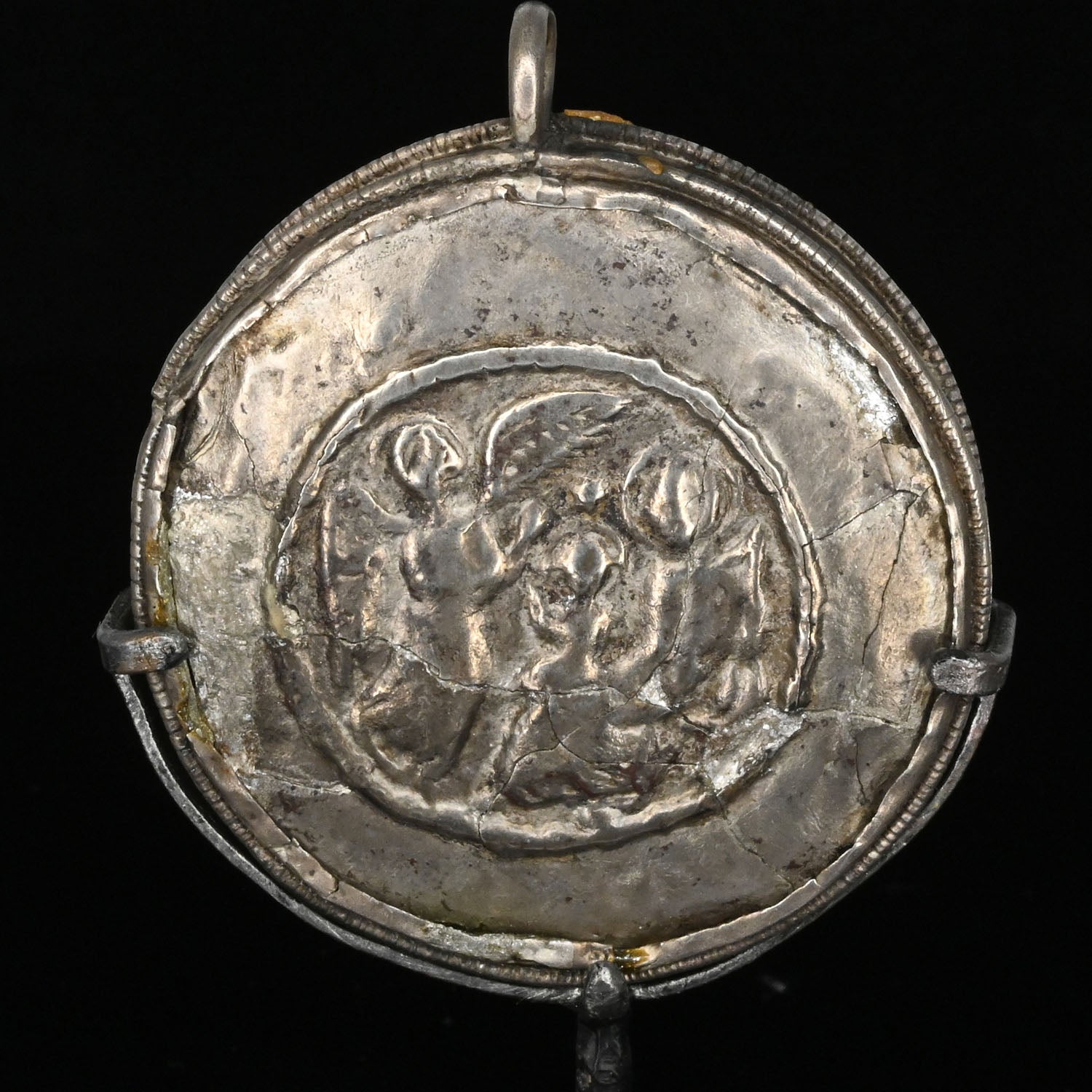
A Byzantine Silver and Glass Pendant, Byzantine Empire, ca. 5th - 6th century CEA Byzantine Silver and Glass Pendant, Byzantine Empire, ca. 5th - 6th century CE
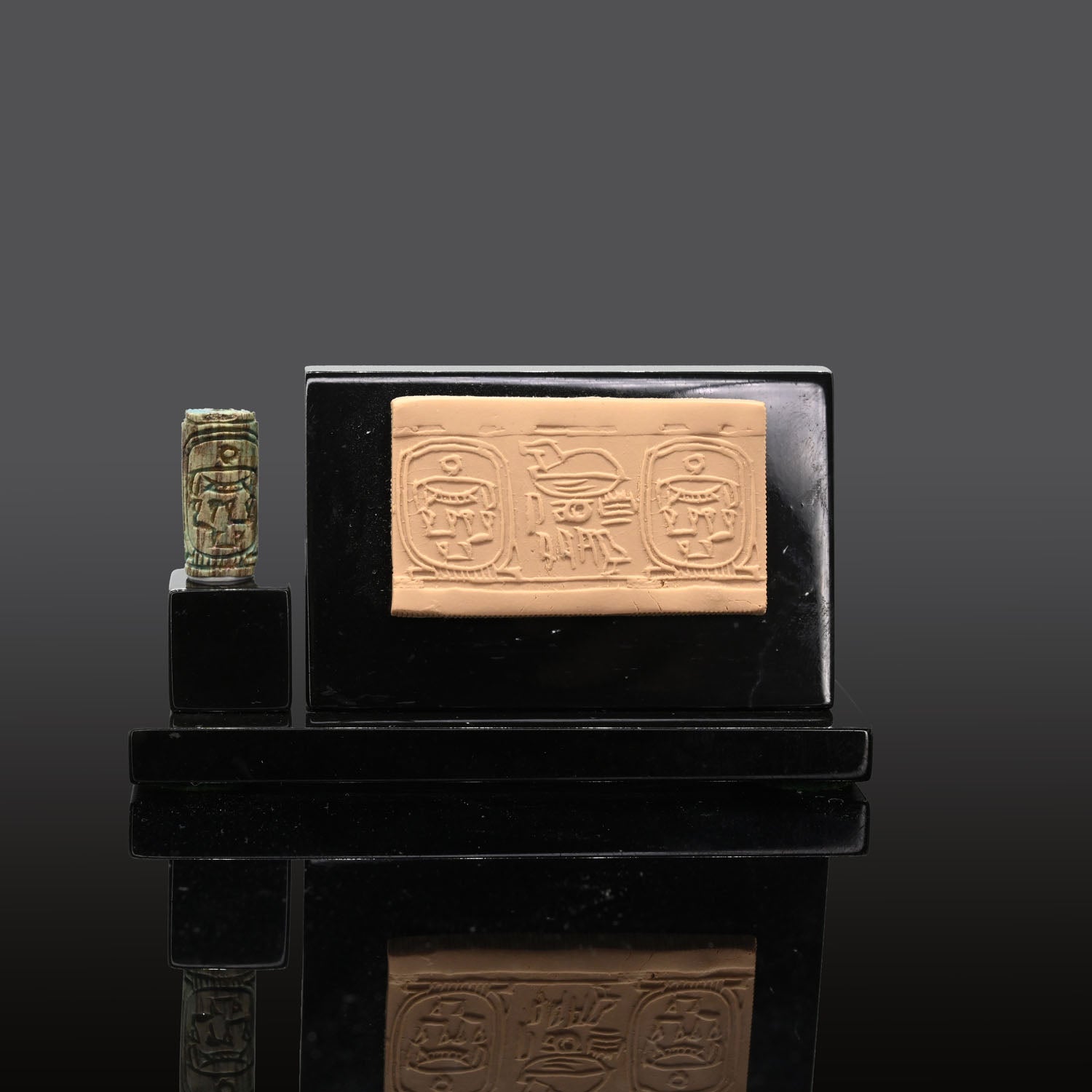
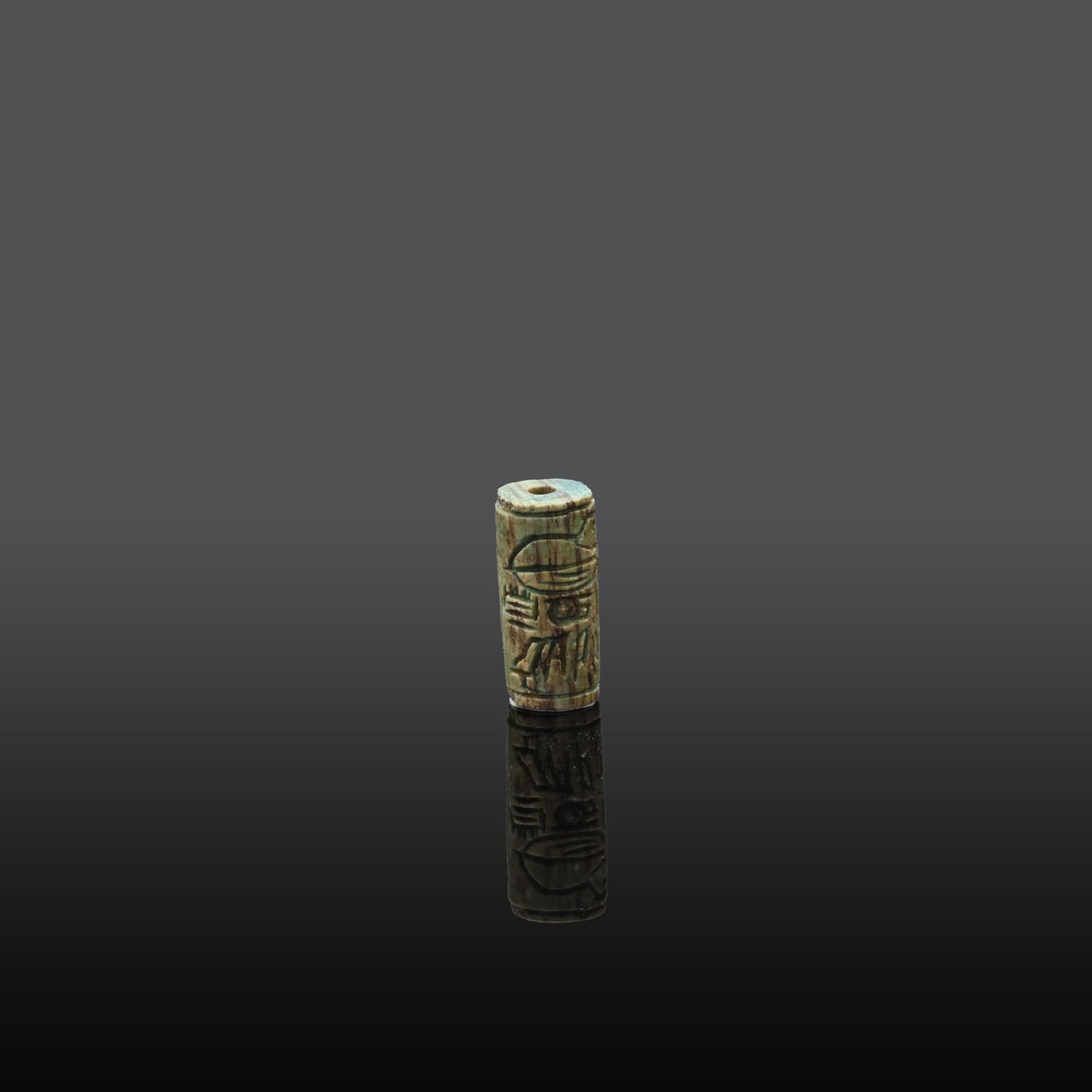
An Egyptian Royal Steatite Cylinder Seal for Amenemhet II, 12th Dynasty, time of Amenemhet II, ca 1929 – 1895 BCEAn Egyptian Royal Steatite Cylinder Seal for Amenemhet II, 12th Dynasty, time of Amenemhet II, ca 1929 – 1895 BCE
A Roman Gold Shield Pendant, Roman Imperial Period, ca. 1st - 2nd century CEA Roman Gold Shield Pendant, Roman Imperial Period, ca. 1st - 2nd century CE
Ein feiner Vogelanhänger aus Sinú-Gold, ca. 500 - 1000 n. ChrEin feiner Vogelanhänger aus Sinú-Gold, ca. 500 - 1000 n. Chr
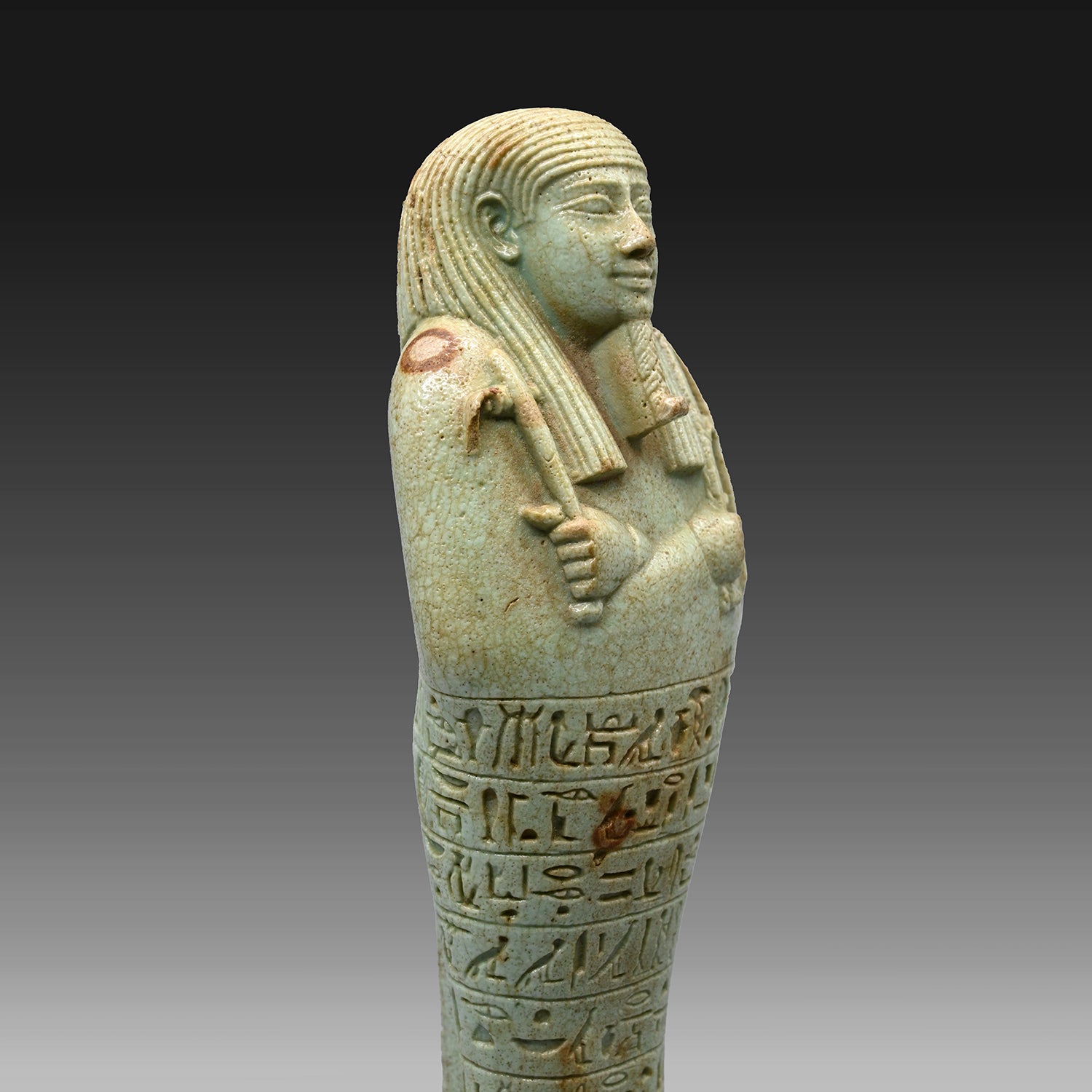
Ein ägyptisches hellblau glasiertes Uschebti für Meret-Amun, 21. Dynastie, Theben, Deir el Bahri Cache II, ca. 990 - 970 v. Chr.Ein ägyptisches hellblau glasiertes Uschebti für Meret-Amun, 21. Dynastie, Theben, Deir el Bahri Cache II, ca. 990 - 970 v. Chr.
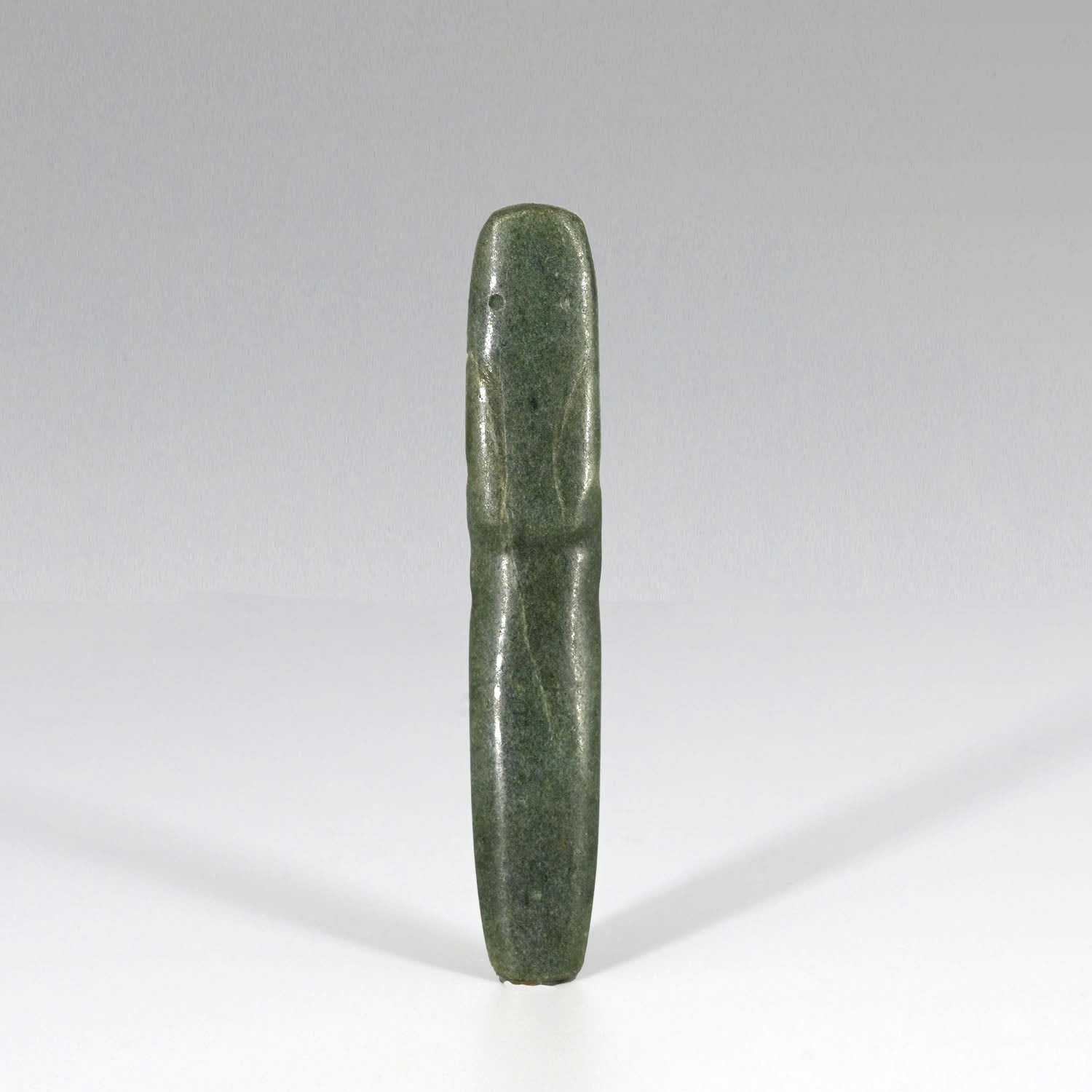
Ein rechteckiger Jadeanhänger aus Costa Rica, klassische Periode, ca. 300 - 900 n. Chr.Ein rechteckiger Jadeanhänger aus Costa Rica, klassische Periode, ca. 300 - 900 n. Chr.
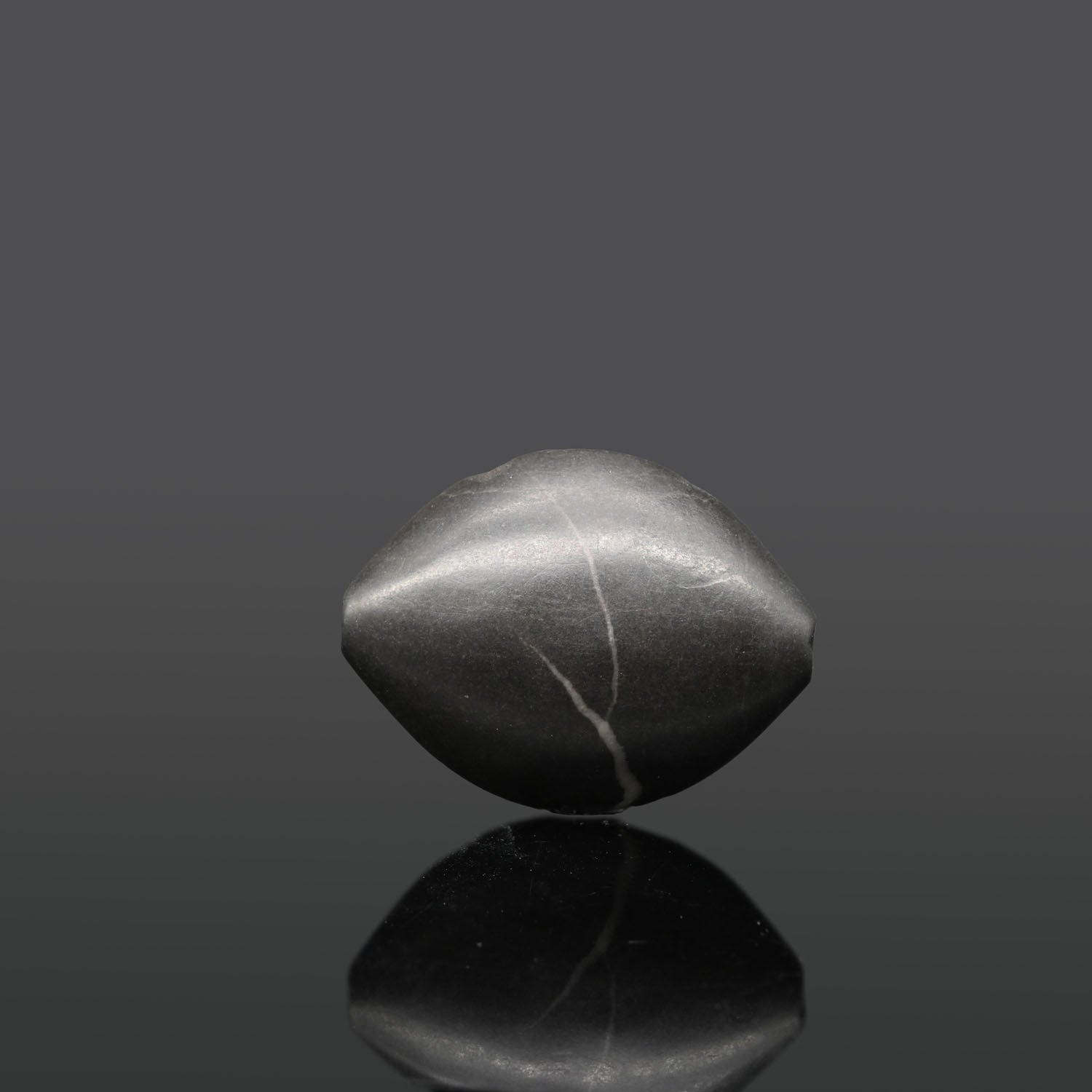
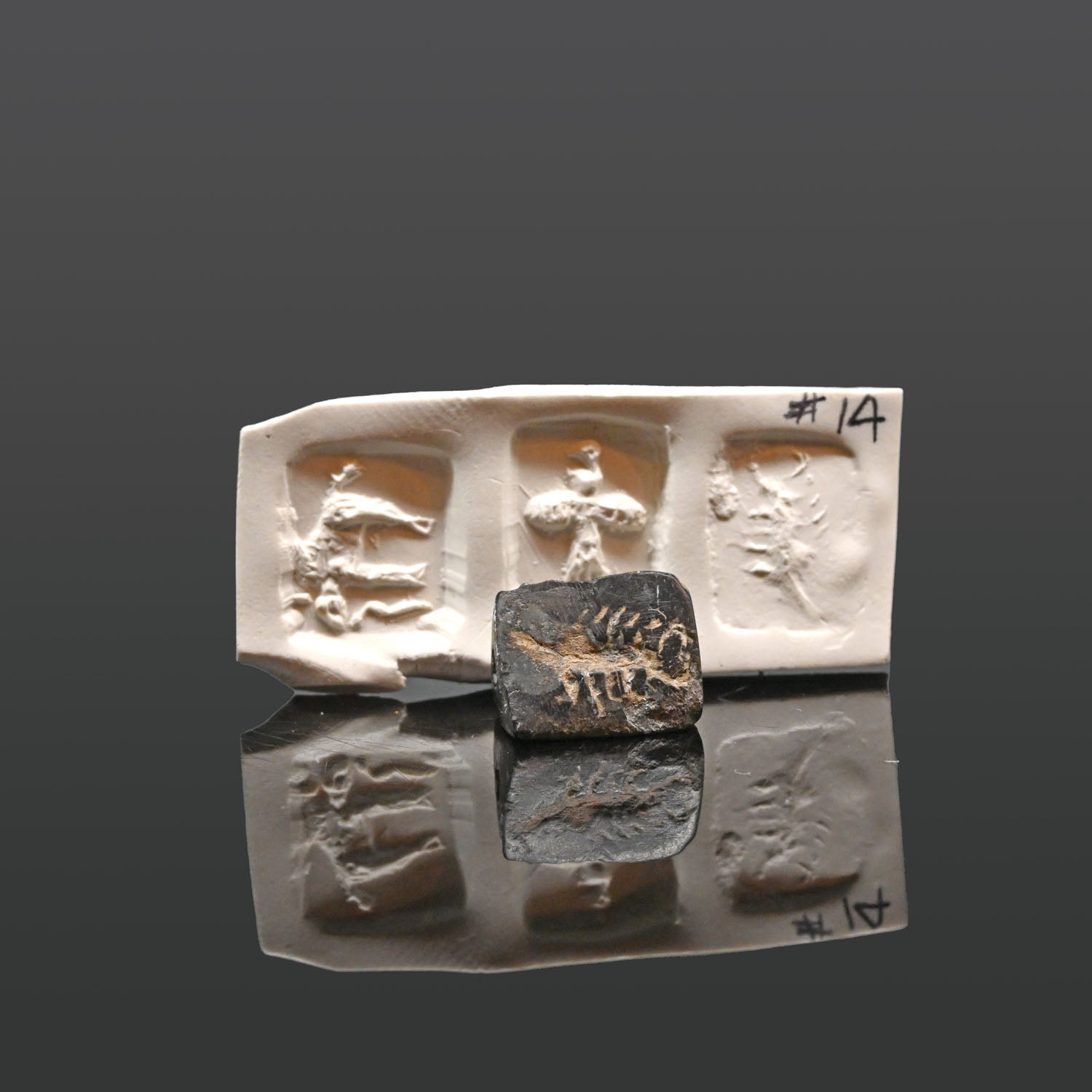
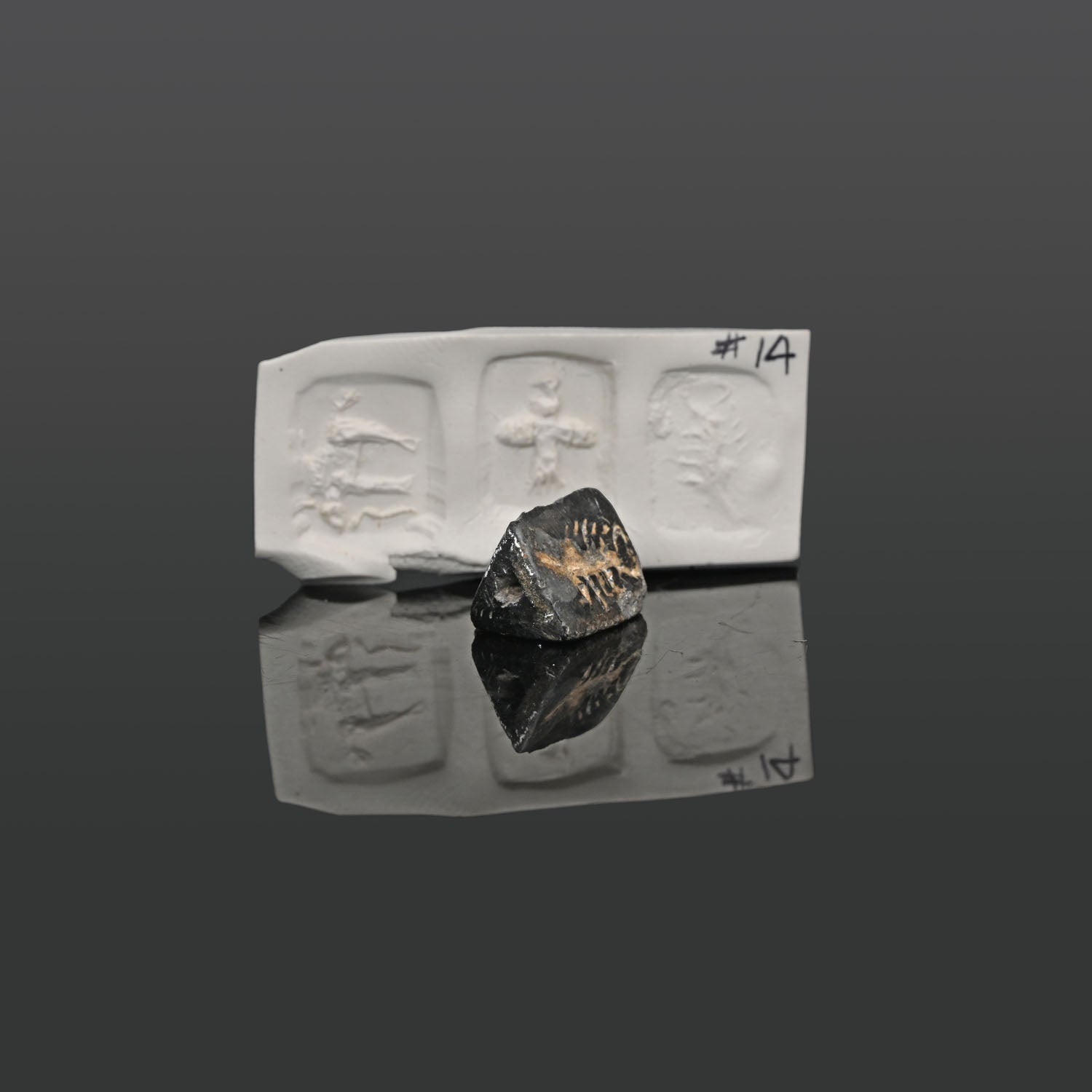
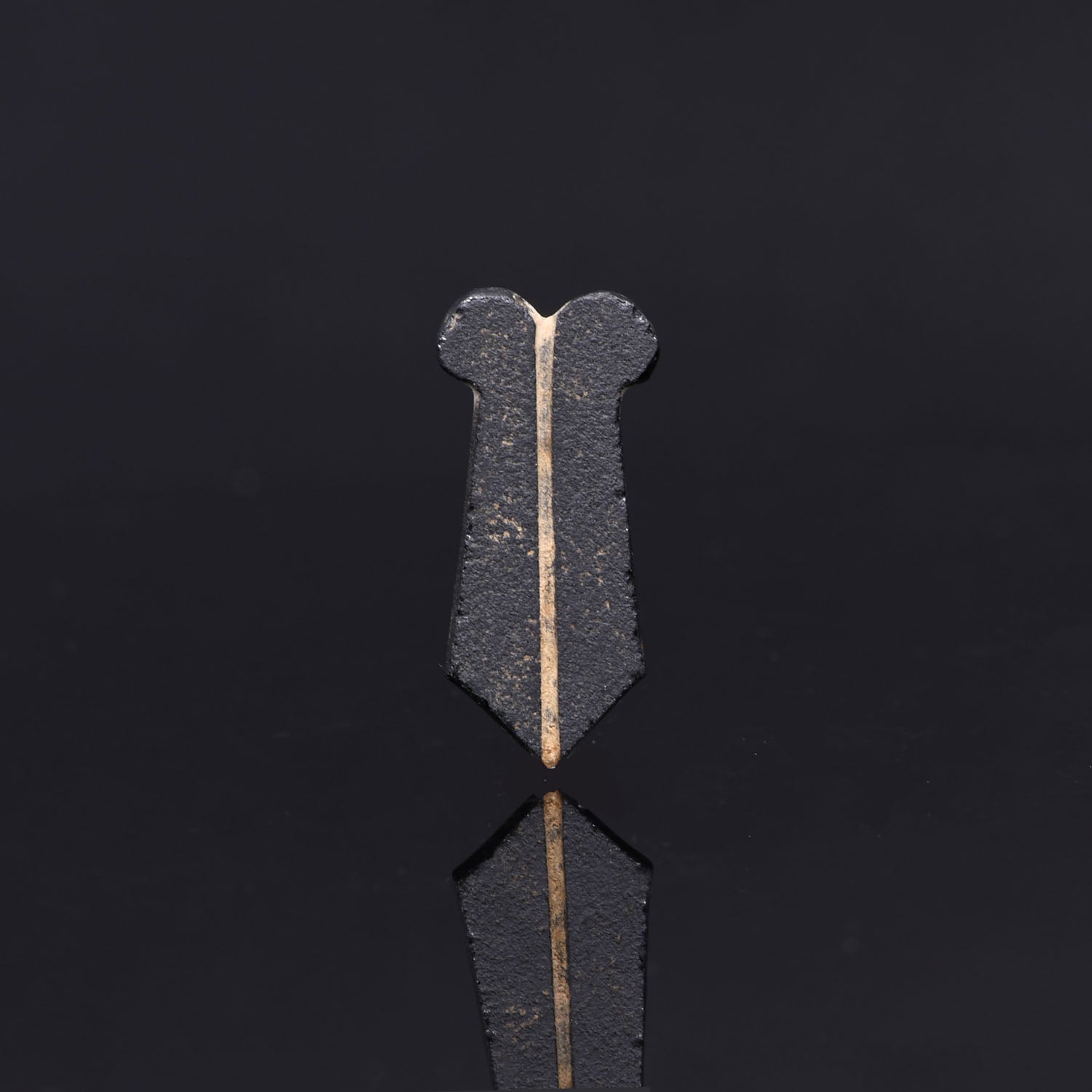
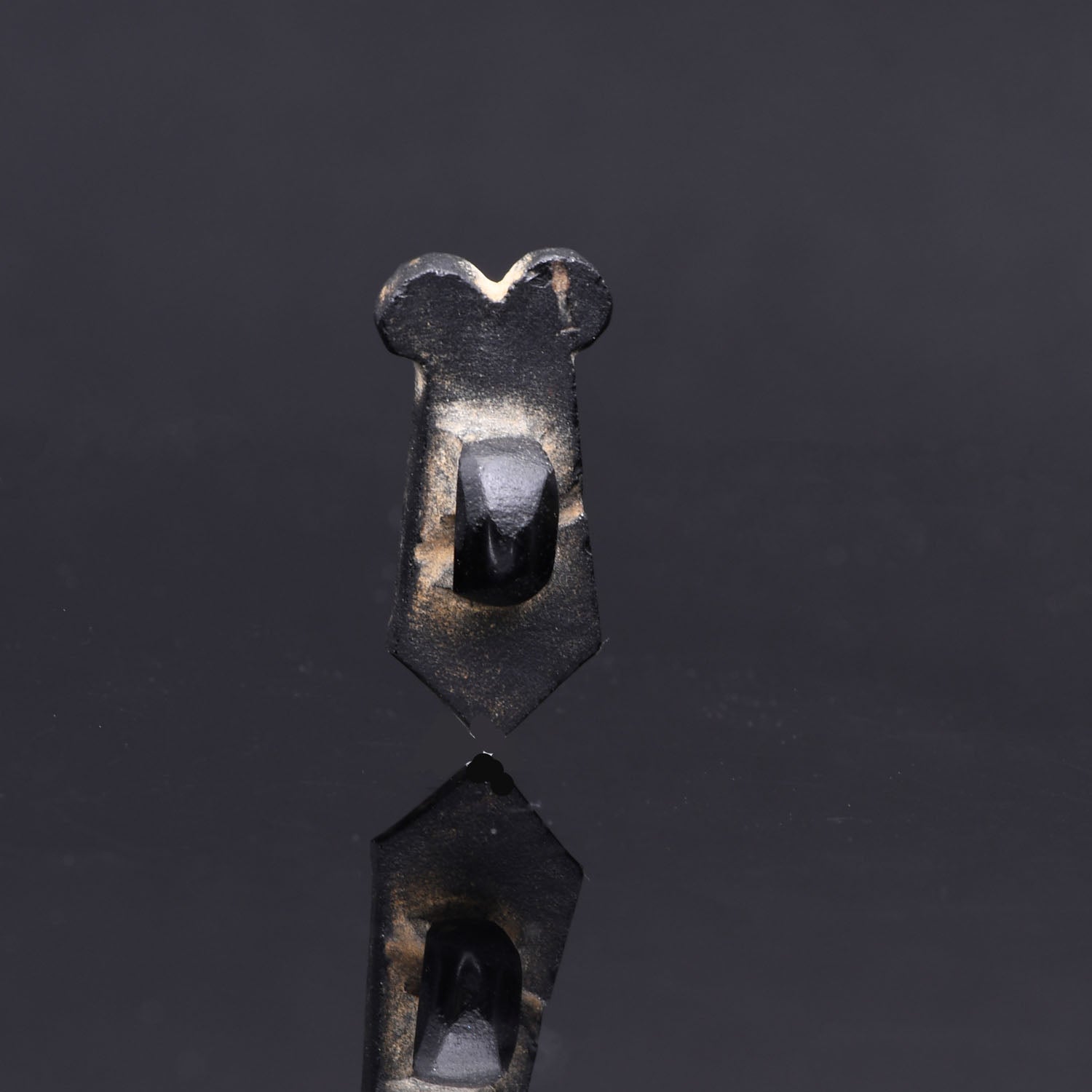
Ein dreiseitiges Stempelsiegel aus schwarzem Speckstein aus Belutschistan, ca. 2. - 1. Jahrtausend v. Chr.Ein dreiseitiges Stempelsiegel aus schwarzem Speckstein aus Belutschistan, ca. 2. - 1. Jahrtausend v. Chr.
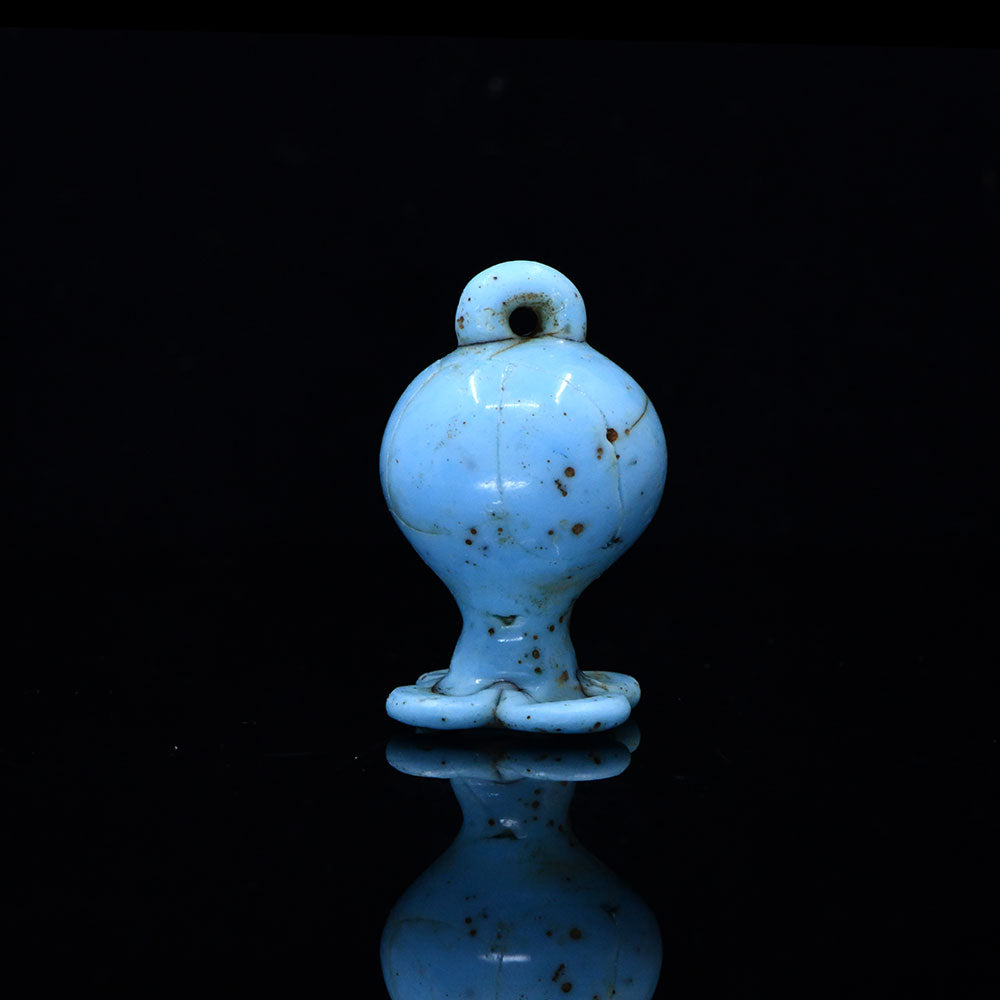
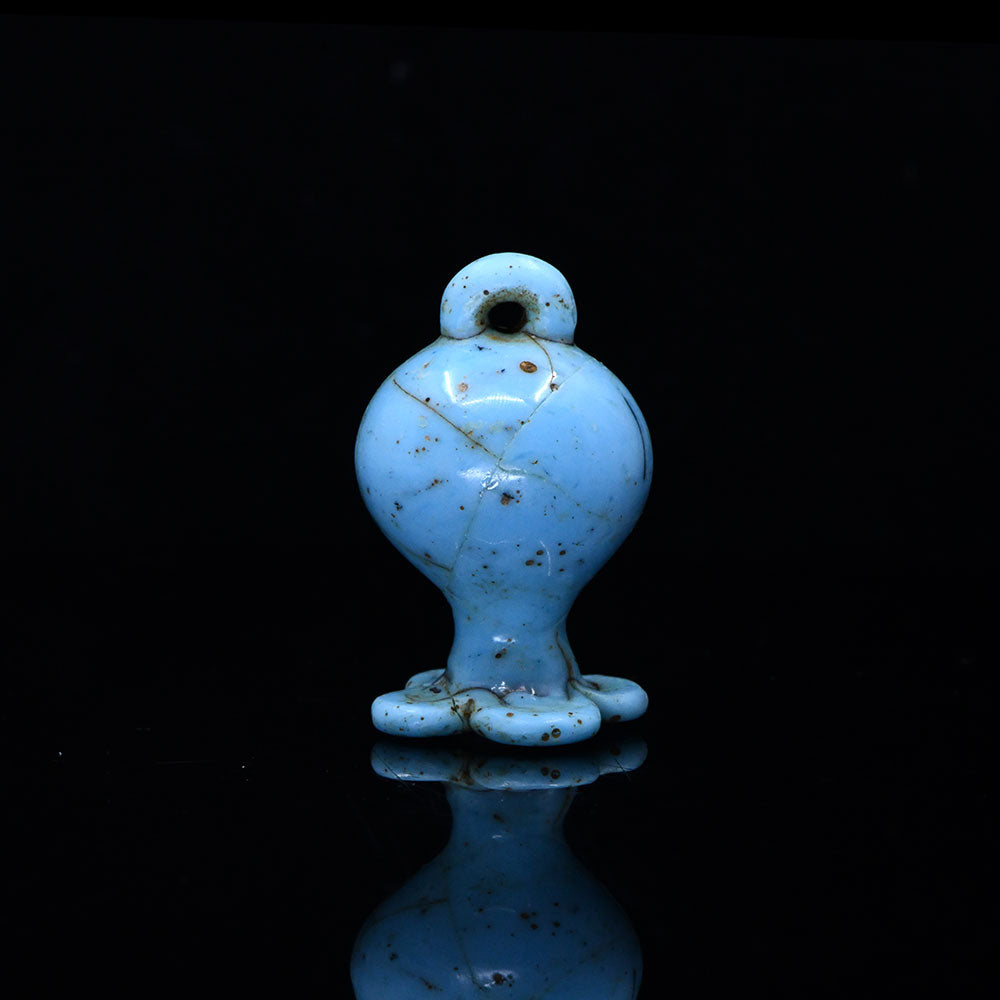
Ein seltener ägyptischer Granatapfelanhänger aus Glas, Neues Reich, Amarna-Zeit, ca. 1353 - 1336 v. Chr.Ein seltener ägyptischer Granatapfelanhänger aus Glas, Neues Reich, Amarna-Zeit, ca. 1353 - 1336 v. Chr.
Ein ägyptisches hellblaues Fayence-Uschebti für die Dame Djedkhonsuiwesankh, Dritte Zwischenzeit, 22. Dynastie, ca. 945 - 713 v. Chr.Ein ägyptisches hellblaues Fayence-Uschebti für die Dame Djedkhonsuiwesankh, Dritte Zwischenzeit, 22. Dynastie, ca. 945 - 713 v. Chr.
Ein keltischer Vogelanhänger aus Jadeit aus Costa Rica, Frühklassische Periode, ca. 100 - 600 n. Chr.Ein keltischer Vogelanhänger aus Jadeit aus Costa Rica, Frühklassische Periode, ca. 100 - 600 n. Chr.
Eine ägyptische Halskette mit Ohrstecker-Anhänger aus Glas, Neues Reich, Amarna-Zeit, ca. 1550 - 1295 v. Chr.Eine ägyptische Halskette mit Ohrstecker-Anhänger aus Glas, Neues Reich, Amarna-Zeit, ca. 1550 - 1295 v. Chr.
Ein seltenes ägyptisches Rollsiegel aus Speckstein mit Anubis, Frühdynastische Periode - Altes Reich, ca. 3000 - 2750 v. Chr.Ein seltenes ägyptisches Rollsiegel aus Speckstein mit Anubis, Frühdynastische Periode - Altes Reich, ca. 3000 - 2750 v. Chr.
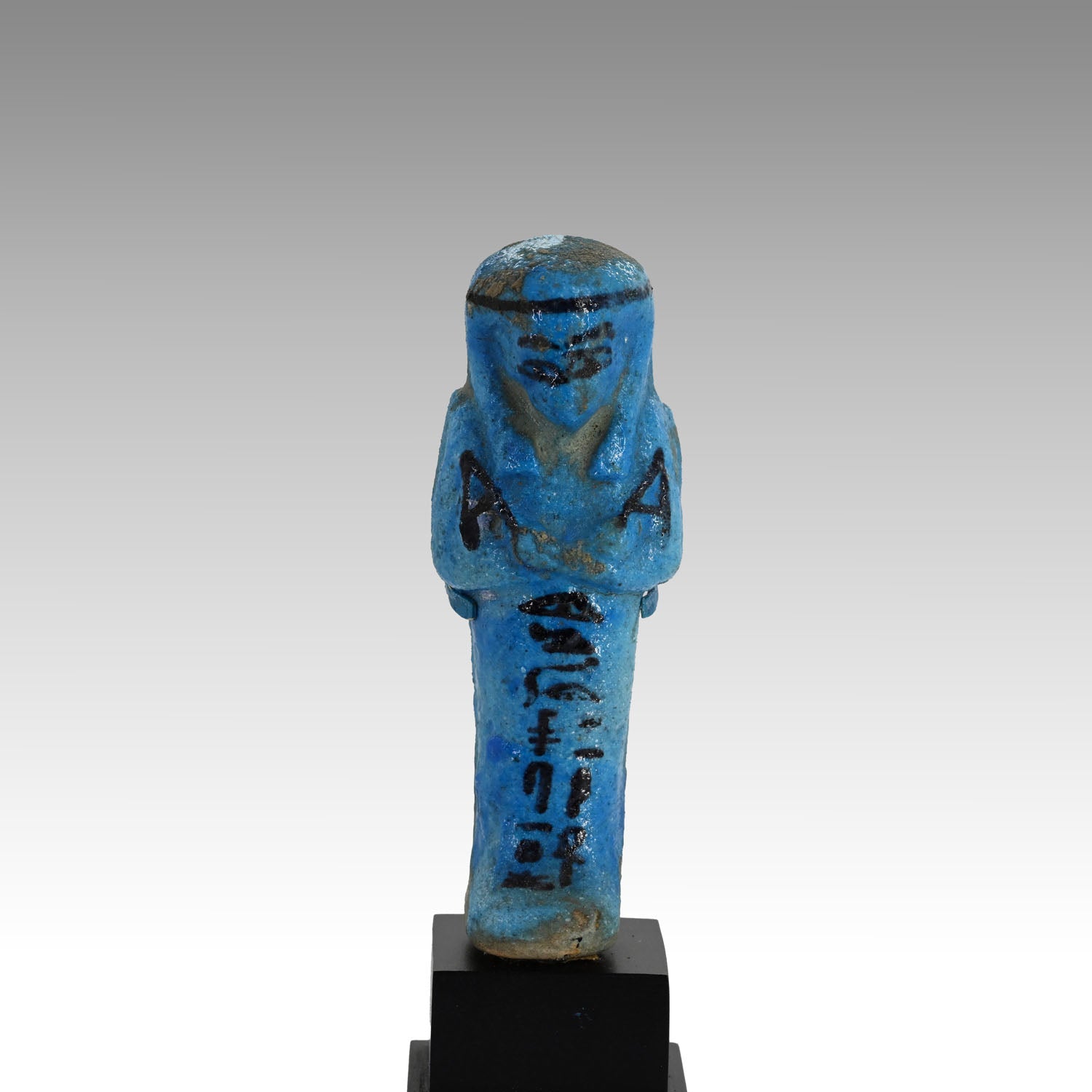
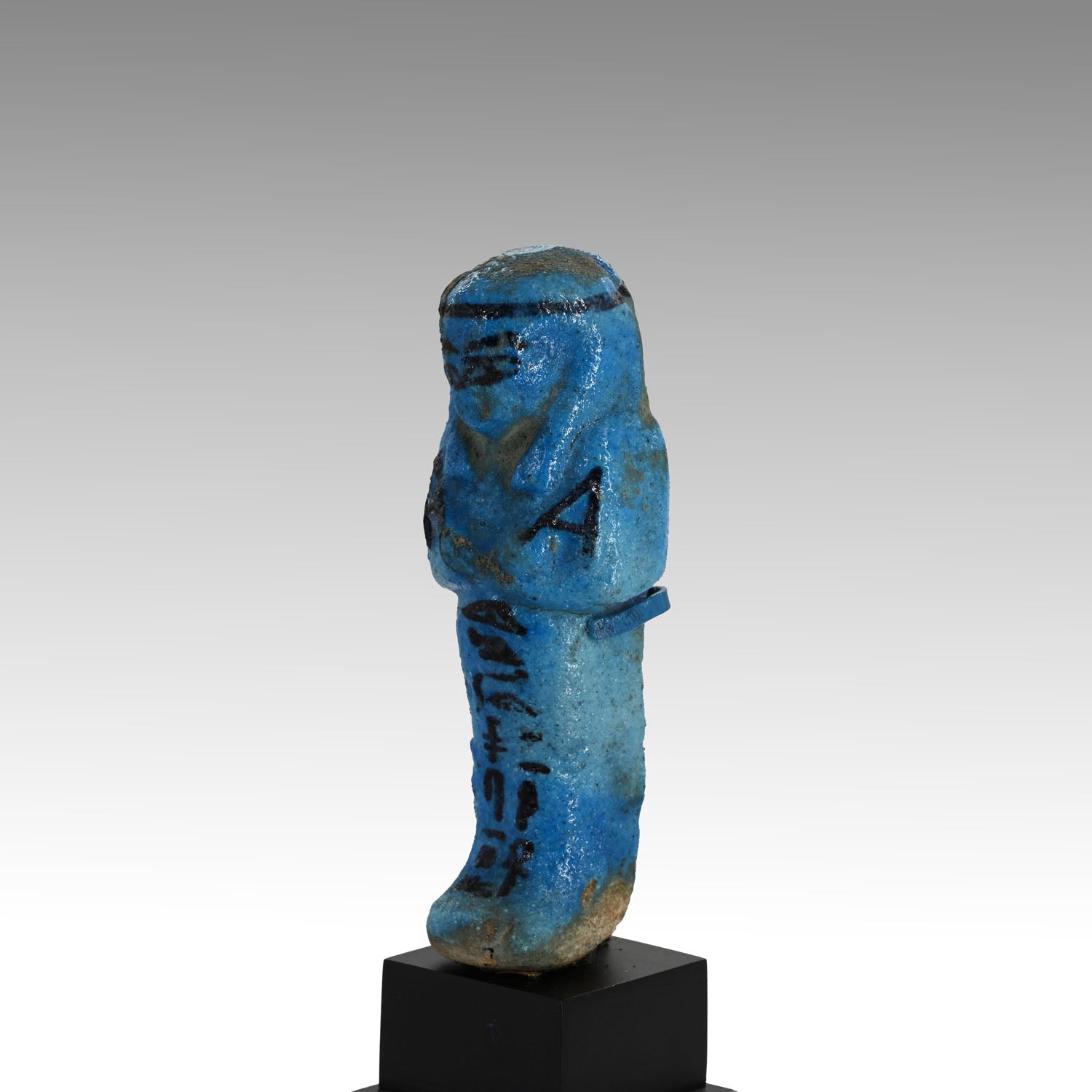
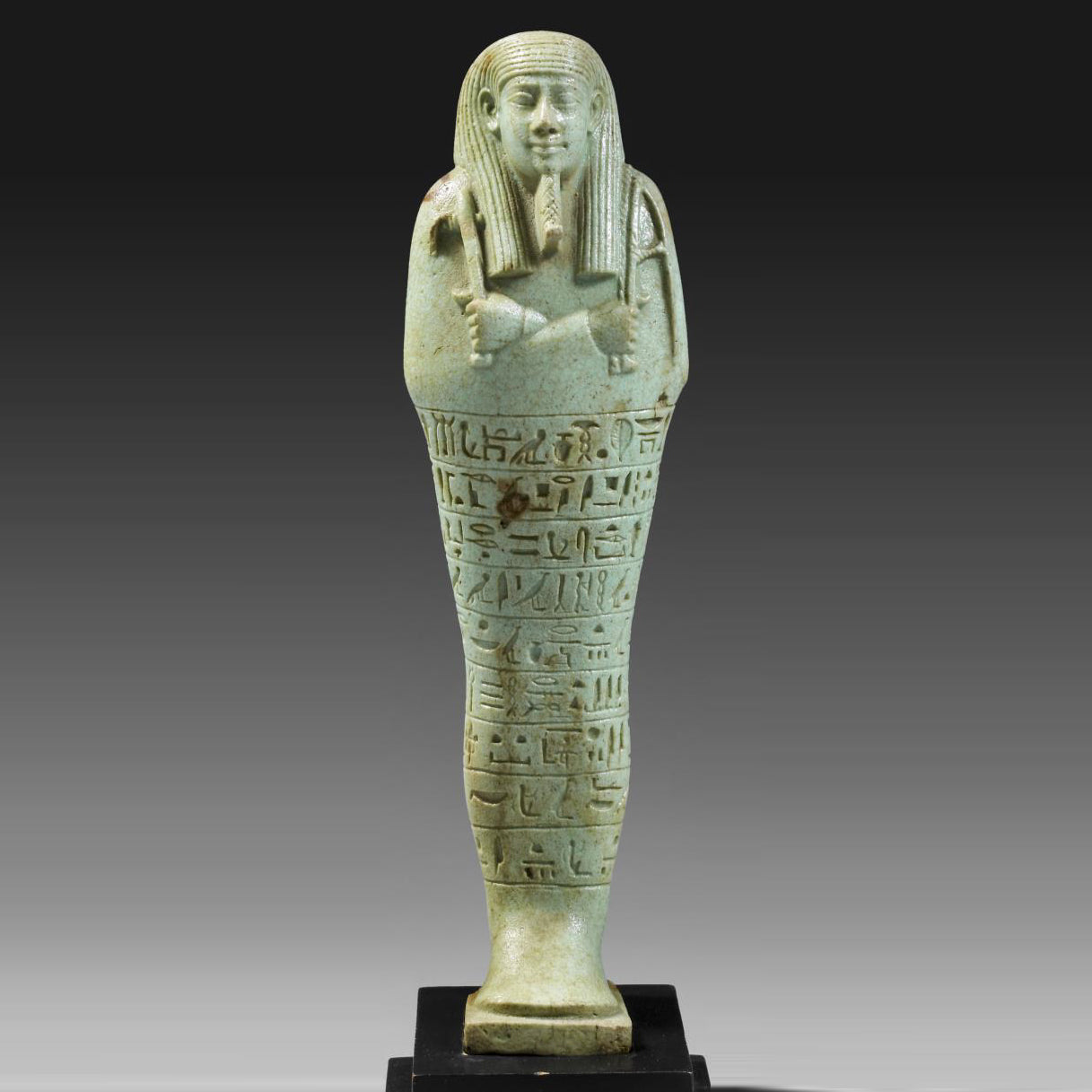
Ein ägyptisches Uschebti aus türkisfarbener Fayence, Dritte Zwischenzeit, 22. Dynastie, ca. 945 - 713 v. Chr.Ein ägyptisches Uschebti aus türkisfarbener Fayence, Dritte Zwischenzeit, 22. Dynastie, ca. 945 - 713 v. Chr.
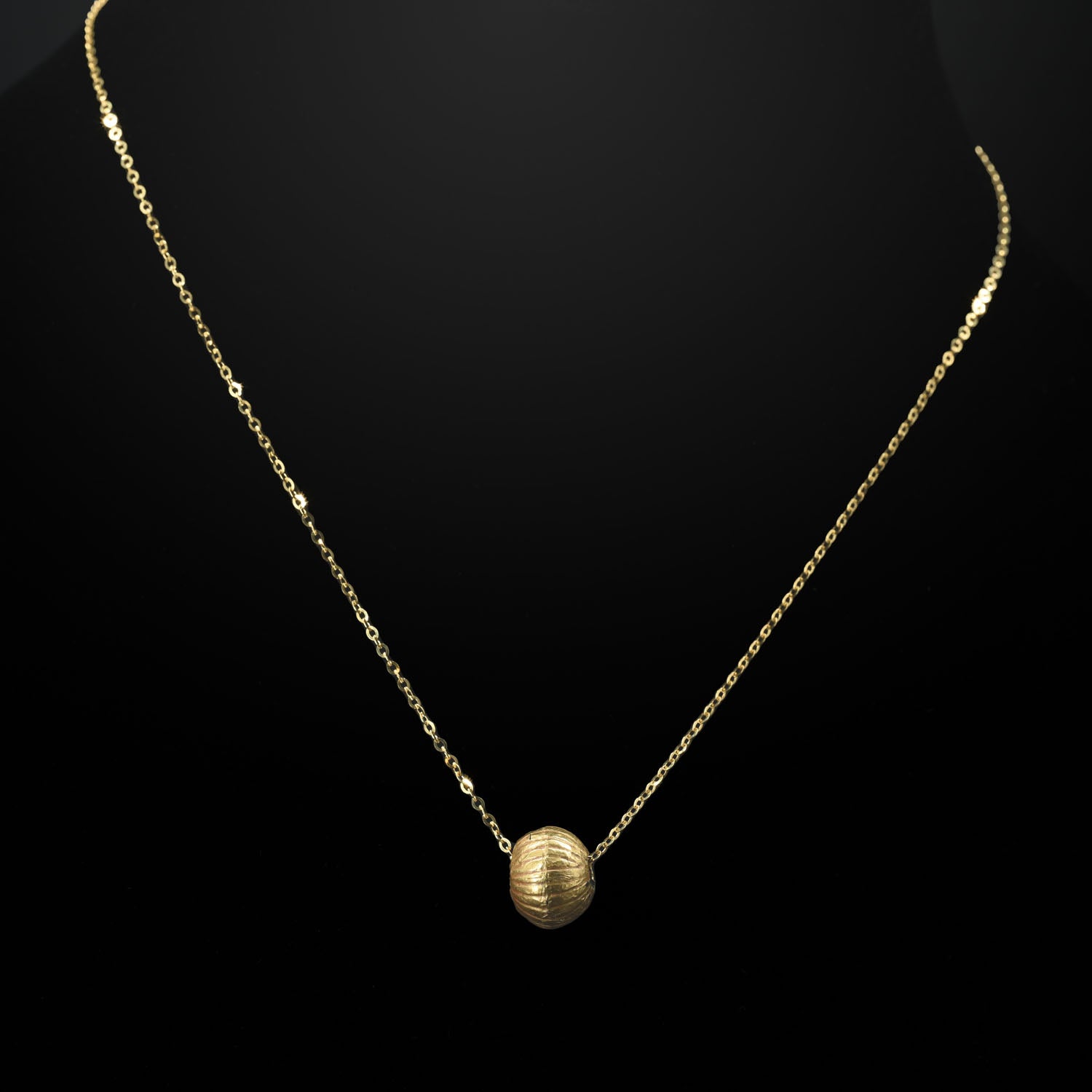
Ein griechischer Anhänger aus Goldperlen, hellenistische Periode, ca. 3. - 1. Jahrhundert v. Chr.Ein griechischer Anhänger aus Goldperlen, hellenistische Periode, ca. 3. - 1. Jahrhundert v. Chr.
Eine große ägyptische Bronzefigur der Nephthys, spätptolemäische Zeit, ca. 664 - 30 v. Chr.Eine große ägyptische Bronzefigur der Nephthys, spätptolemäische Zeit, ca. 664 - 30 v. Chr.
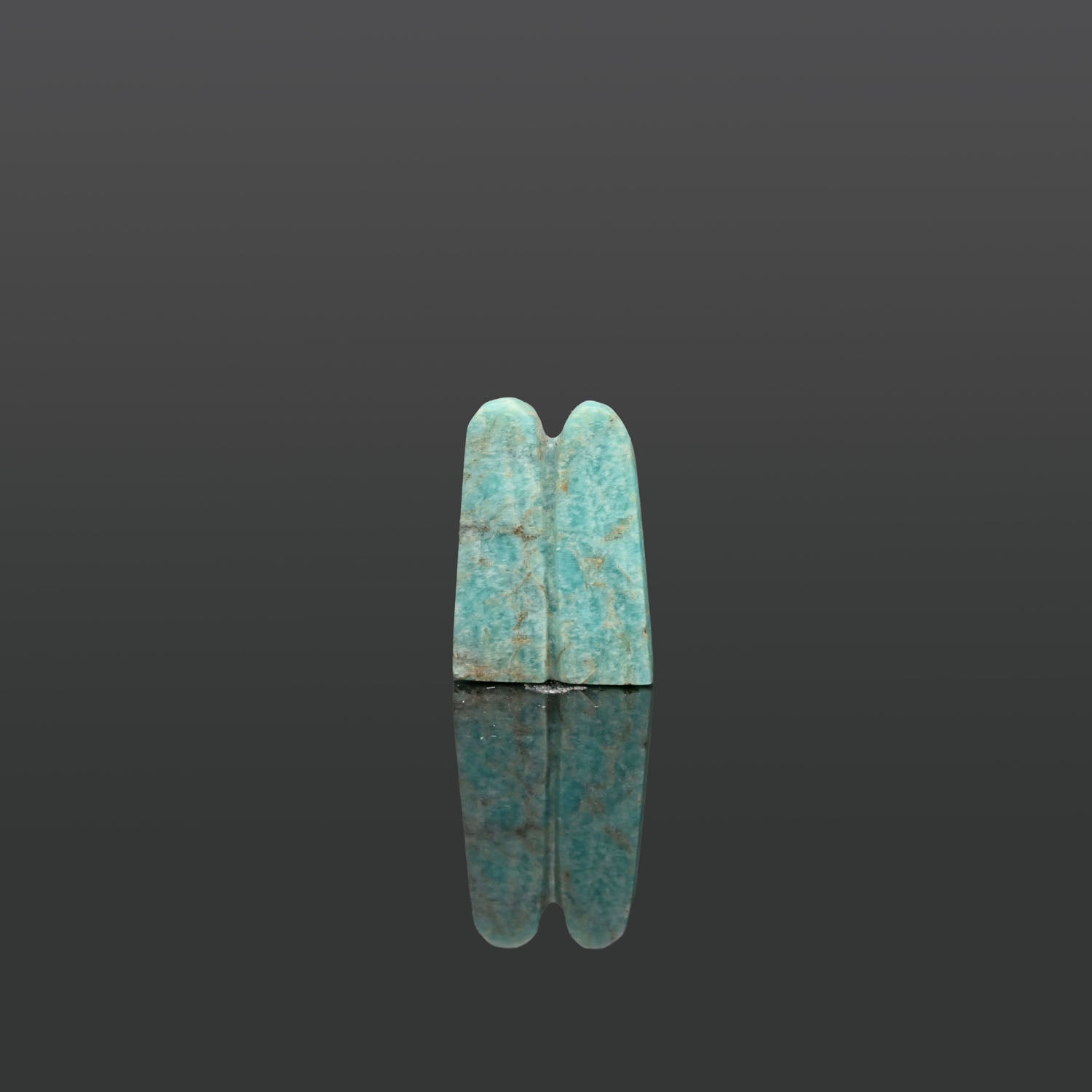
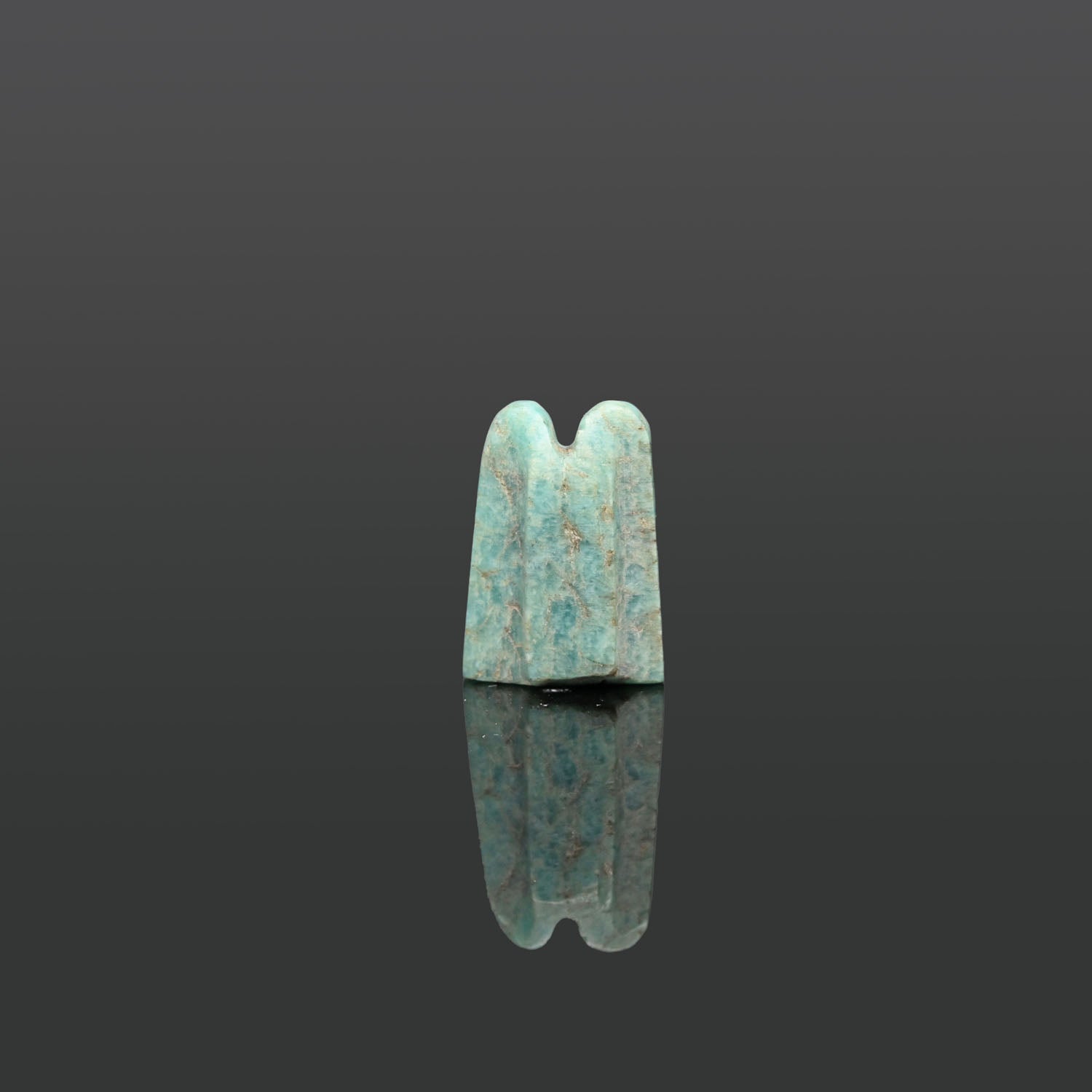
* Ein ägyptisches Feldspat-Amulett mit Doppelfeder, Spätzeit, ca. 664 - 332 v. Chr.* Ein ägyptisches Feldspat-Amulett mit Doppelfeder, Spätzeit, ca. 664 - 332 v. Chr.
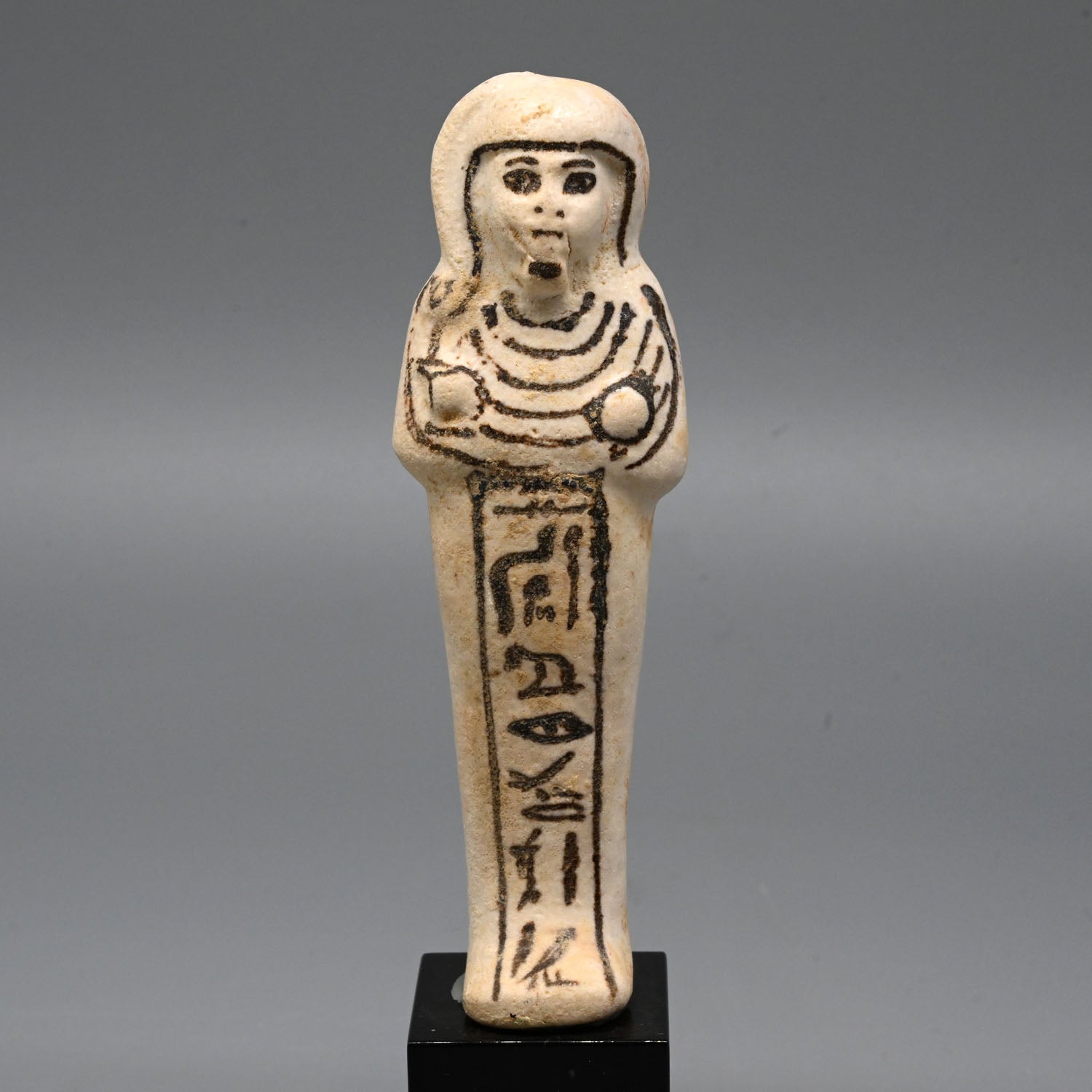
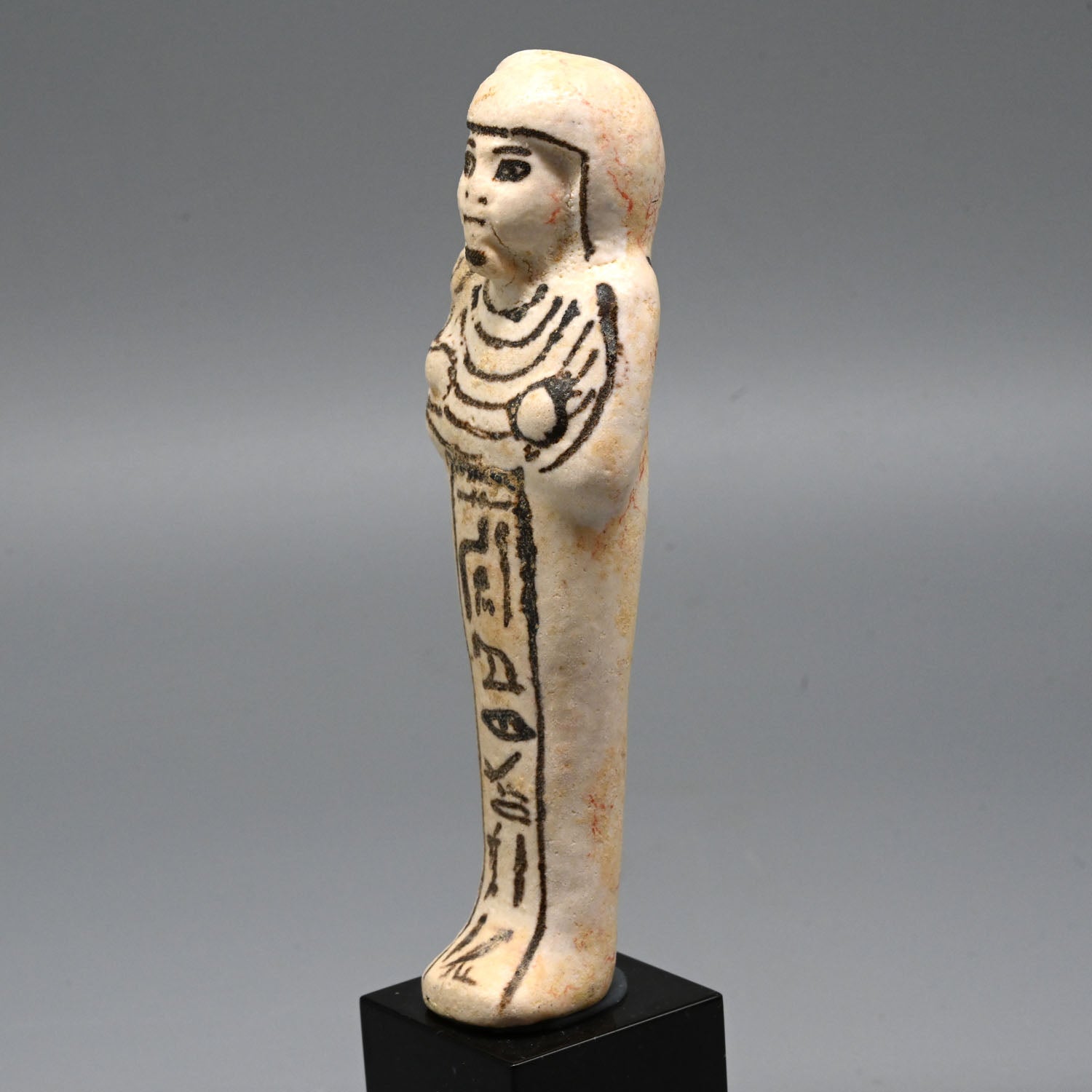
Ein ägyptisches Fayence-Uschebti für den königlichen Sem-Priester Hori, 19. Dynastie, ca. 1293 - 1185 v. Chr.Ein ägyptisches Fayence-Uschebti für den königlichen Sem-Priester Hori, 19. Dynastie, ca. 1293 - 1185 v. Chr.
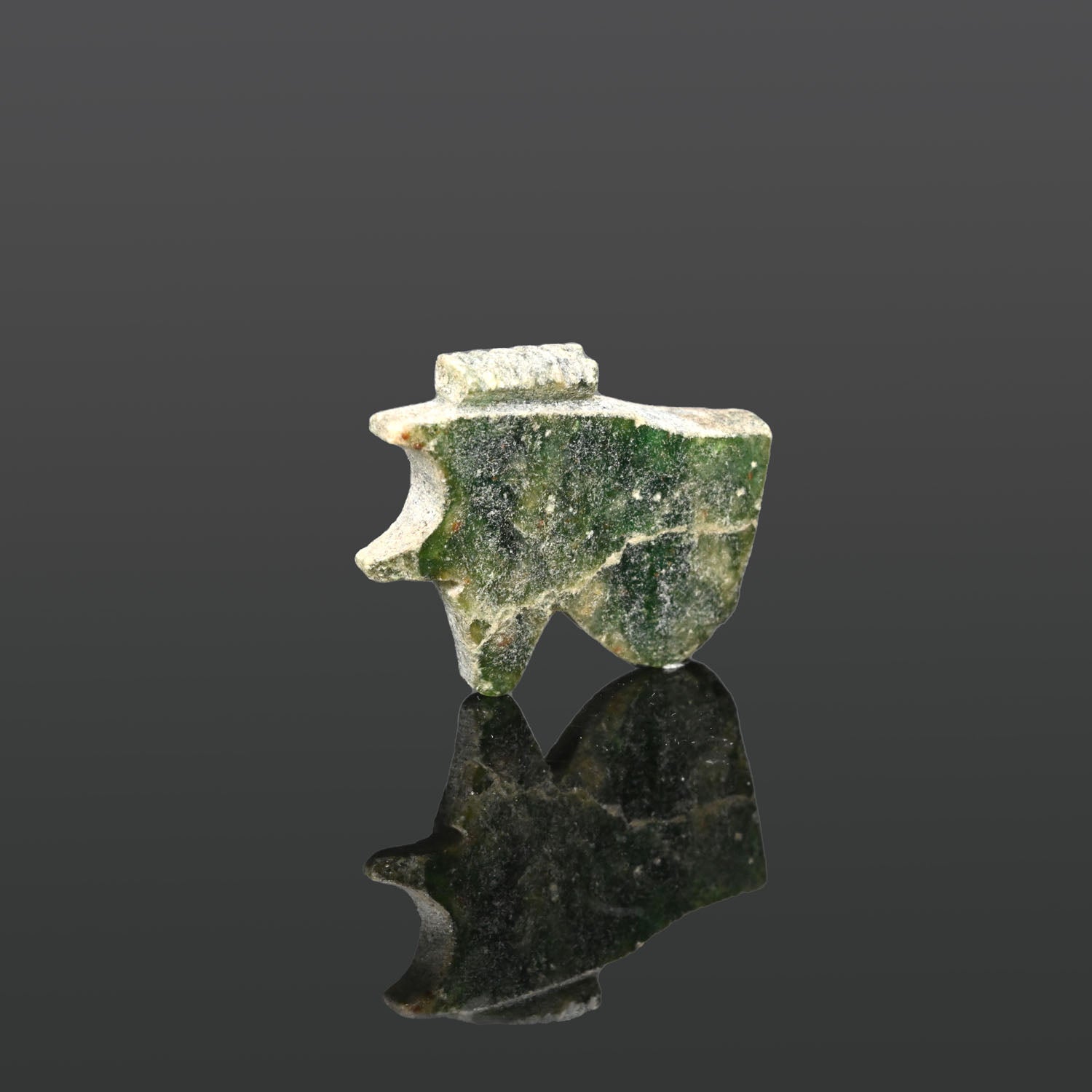
Ein seltenes ägyptisches Malachit-Wedjat-Auge, Spätzeit, ca. 664 - 332 v. Chr.Ein seltenes ägyptisches Malachit-Wedjat-Auge, Spätzeit, ca. 664 - 332 v. Chr.
Ein außergewöhnliches ägyptisches Fayence-Uschebti für Wah-ib-re-em-akhet, 26. Dynastie, 664 - 525 v. Chr.Ein außergewöhnliches ägyptisches Fayence-Uschebti für Wah-ib-re-em-akhet, 26. Dynastie, 664 - 525 v. Chr.
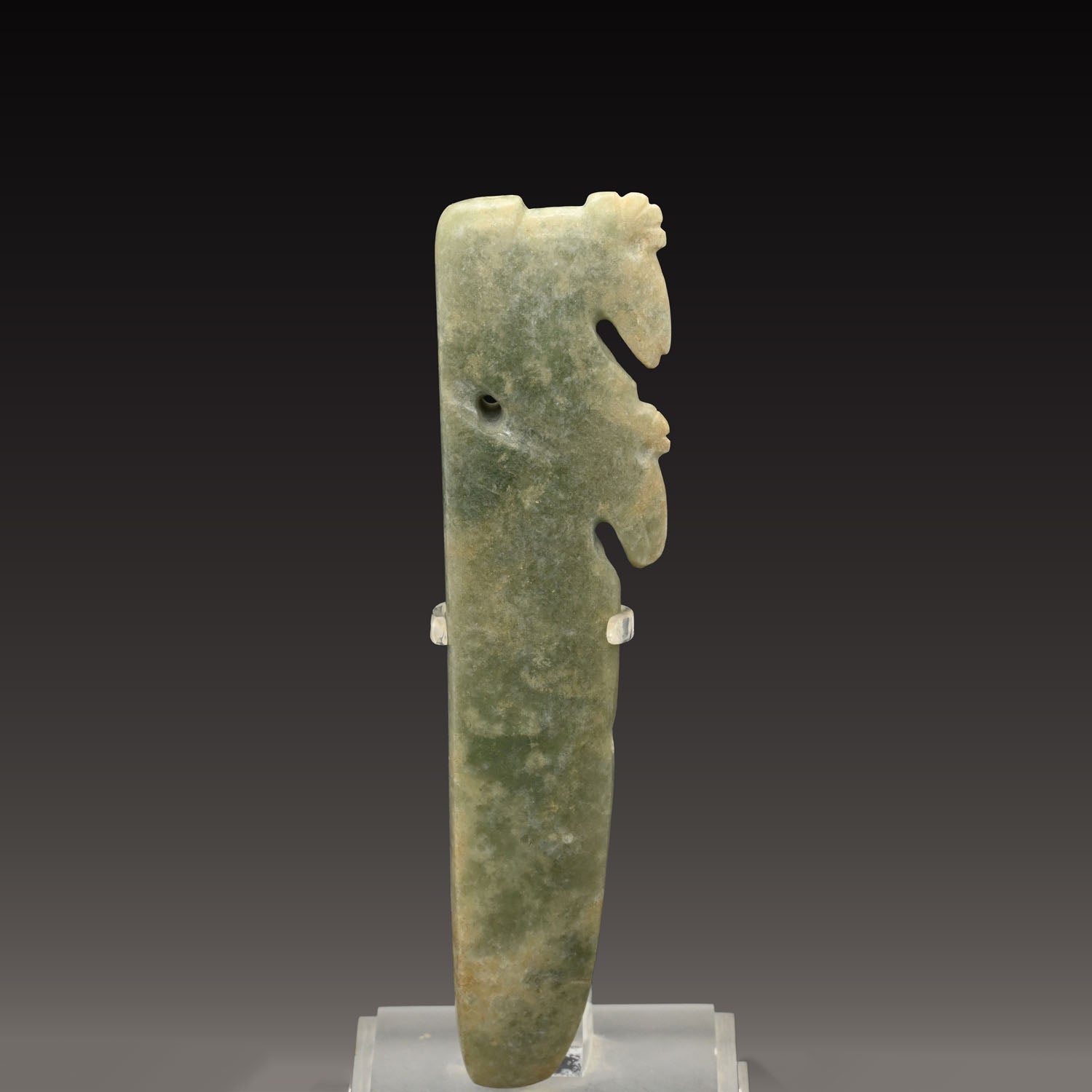
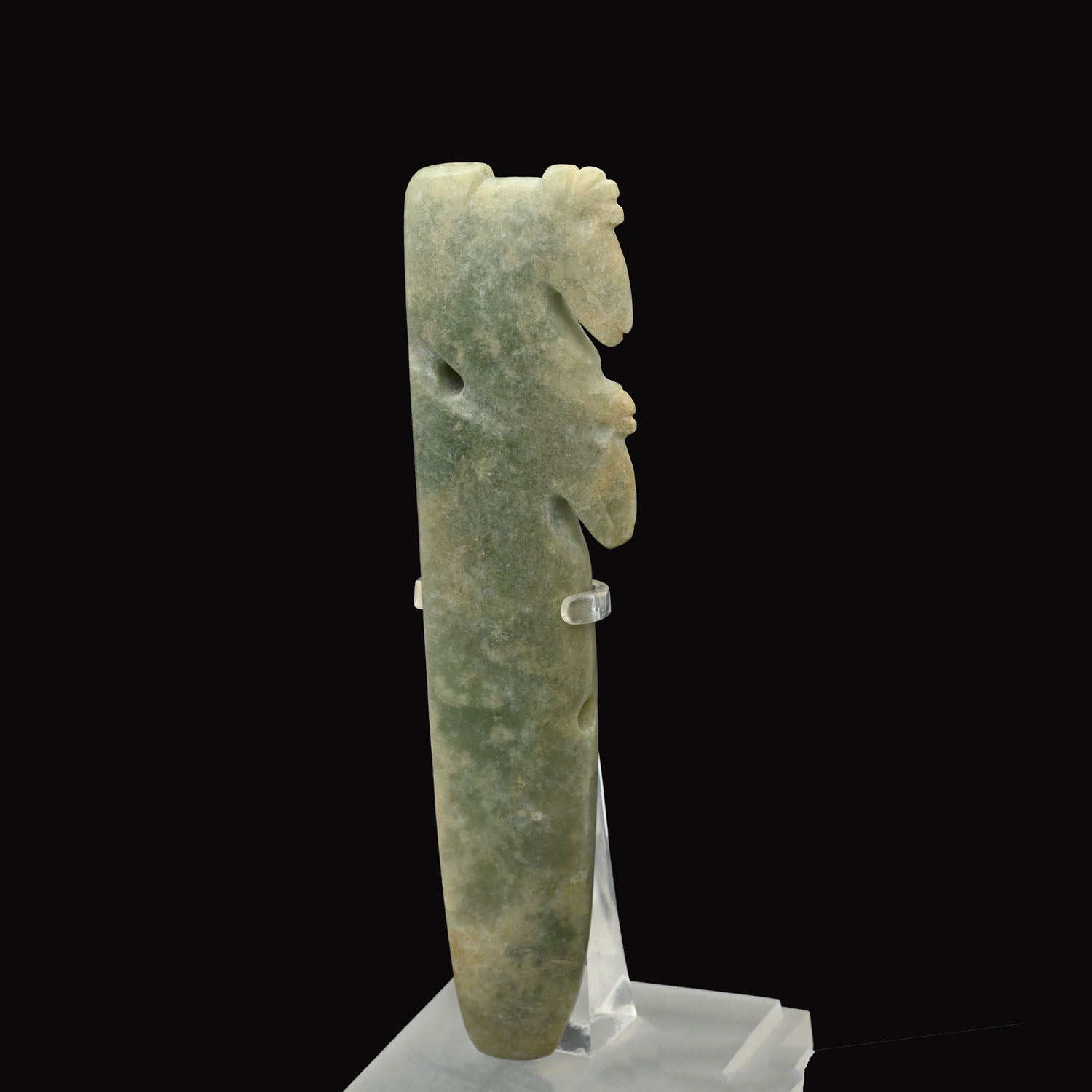
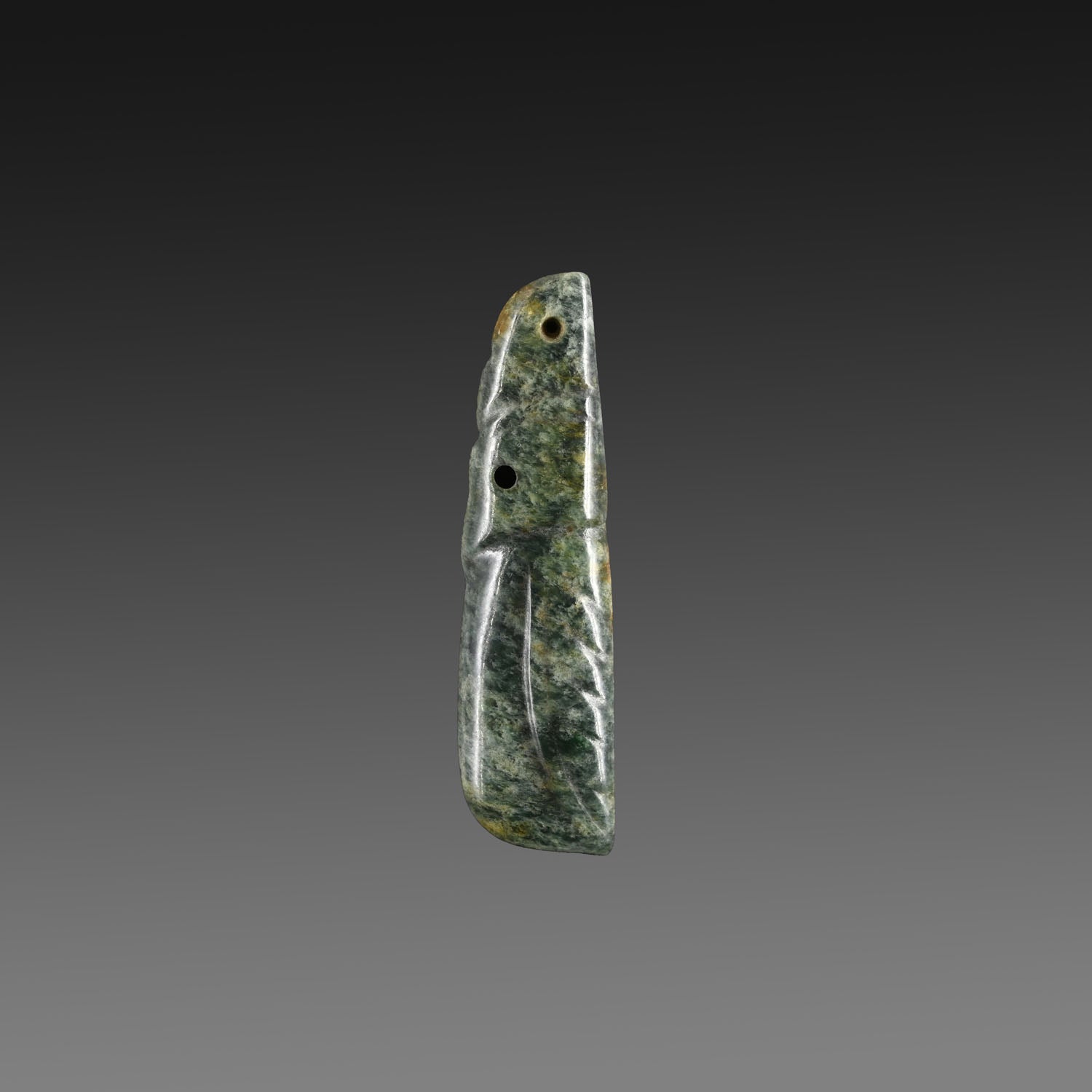
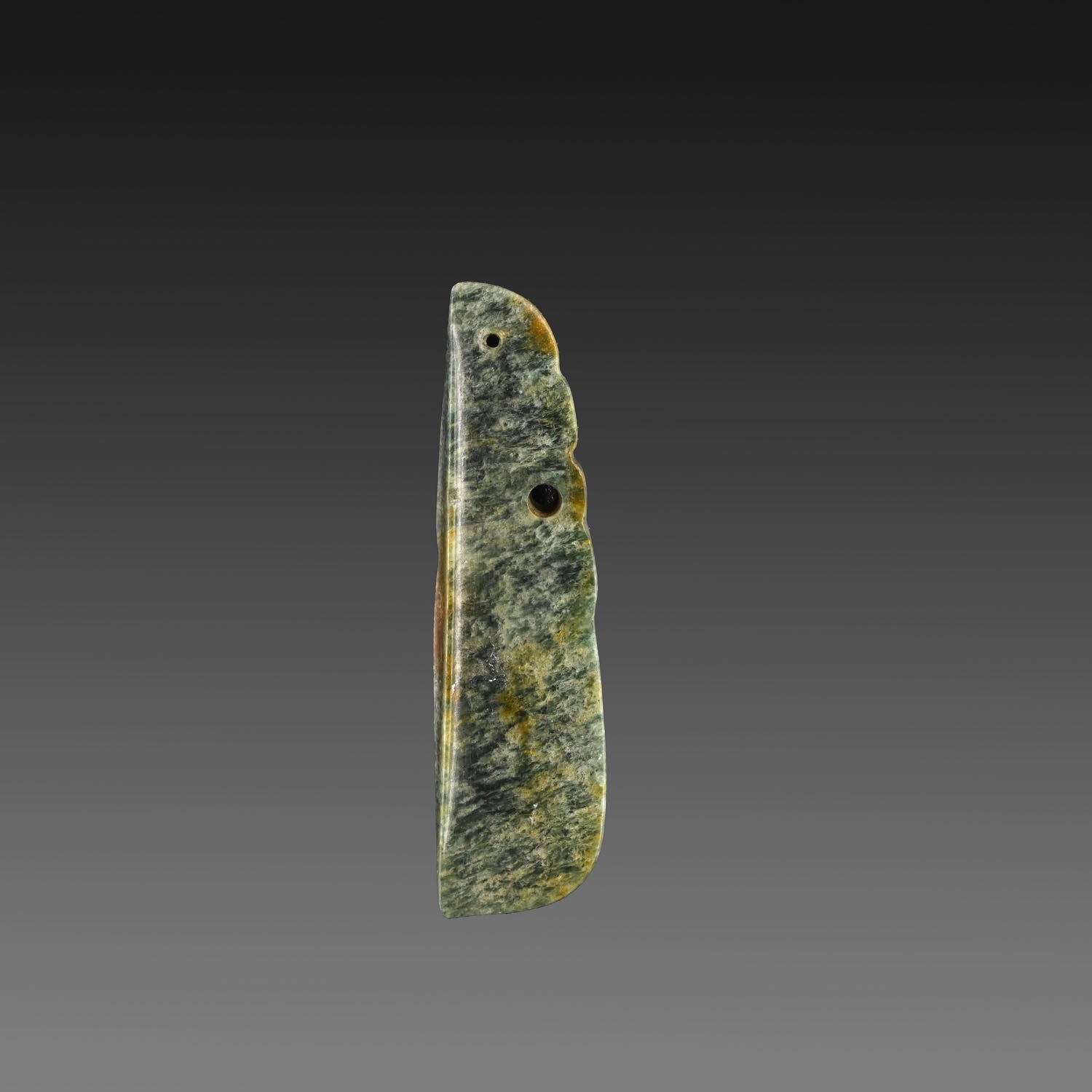
Ein Jade-Axt-Anhänger aus Costa Rica, Frühklassik, ca. 500 - 800 n. ChrEin Jade-Axt-Anhänger aus Costa Rica, Frühklassik, ca. 500 - 800 n. Chr
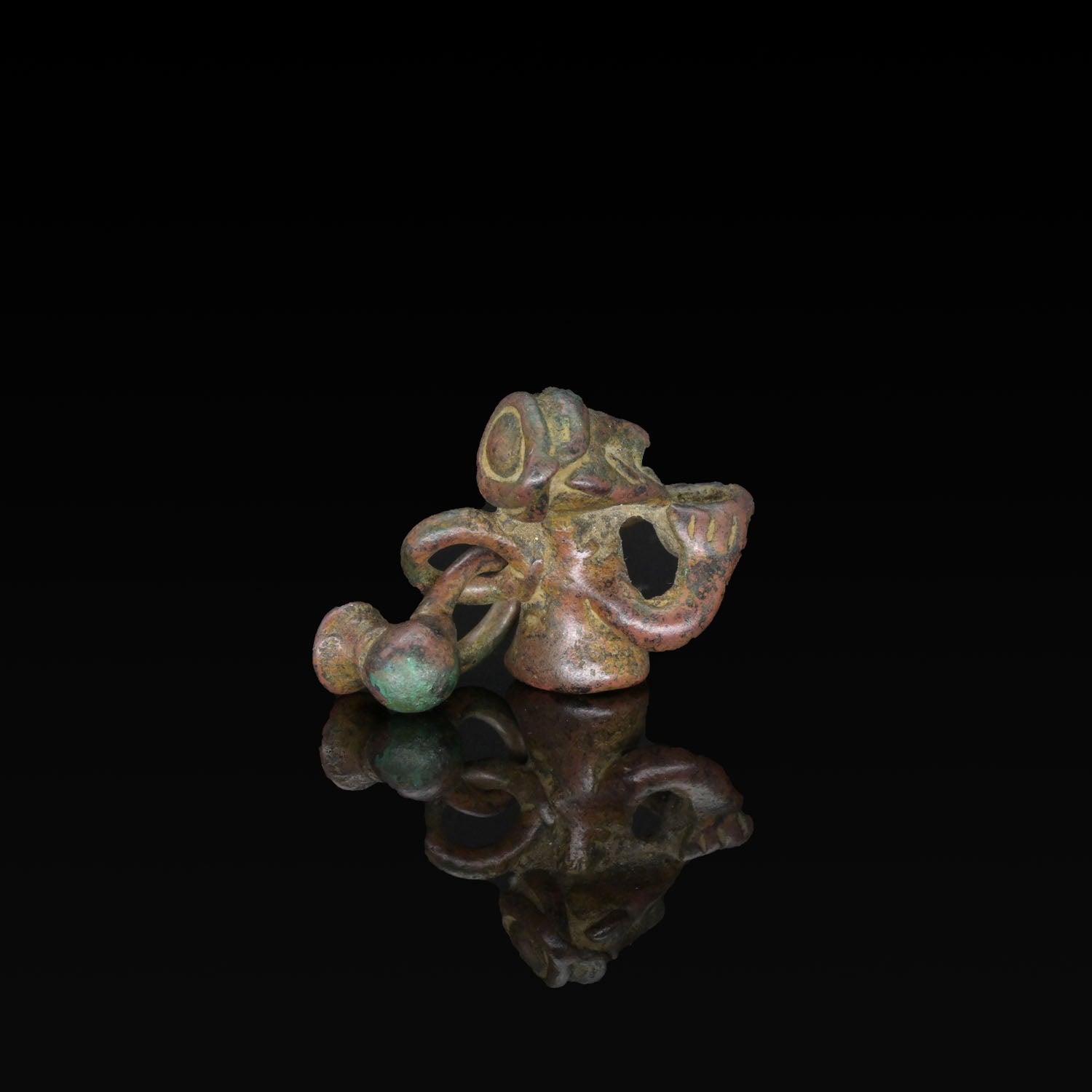
Ein Amulett oder Endstück aus Moche-Kupfer, Spätklassik, ca. 800–1000 n. ChrEin Amulett oder Endstück aus Moche-Kupfer, Spätklassik, ca. 800–1000 n. Chr
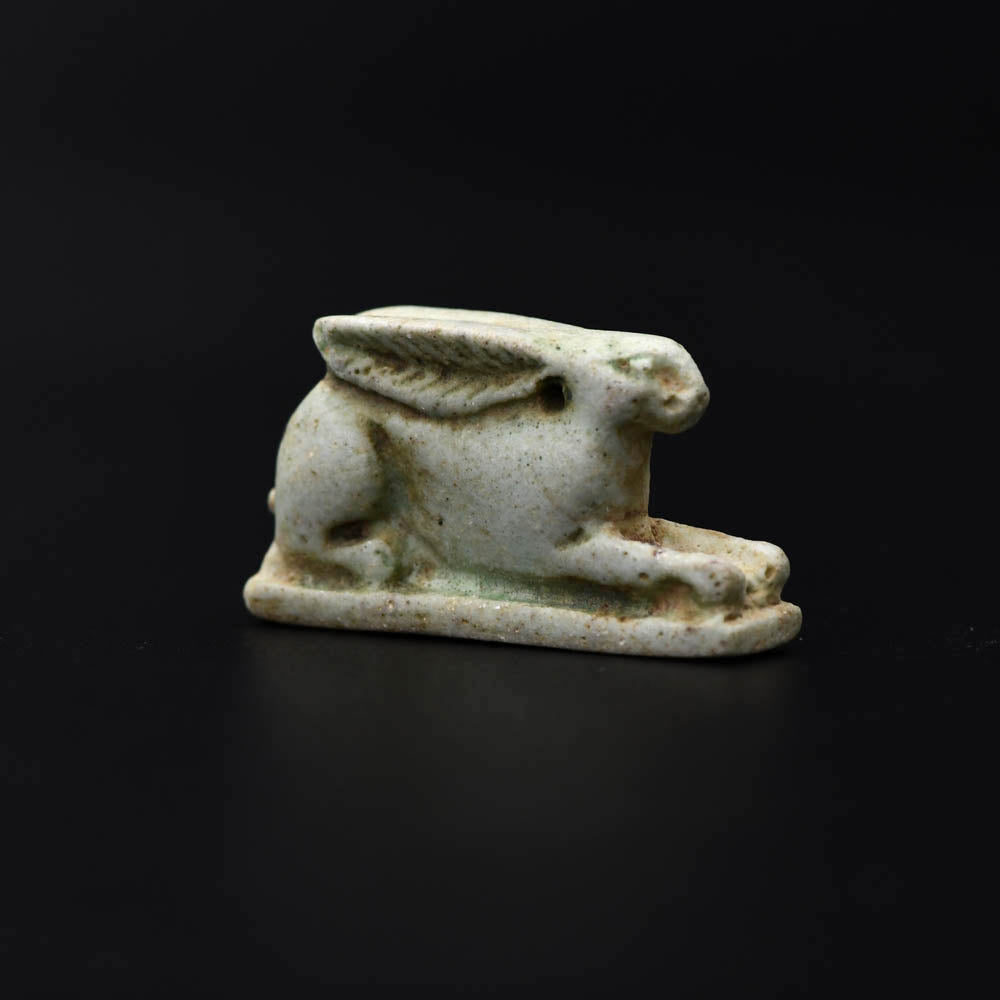
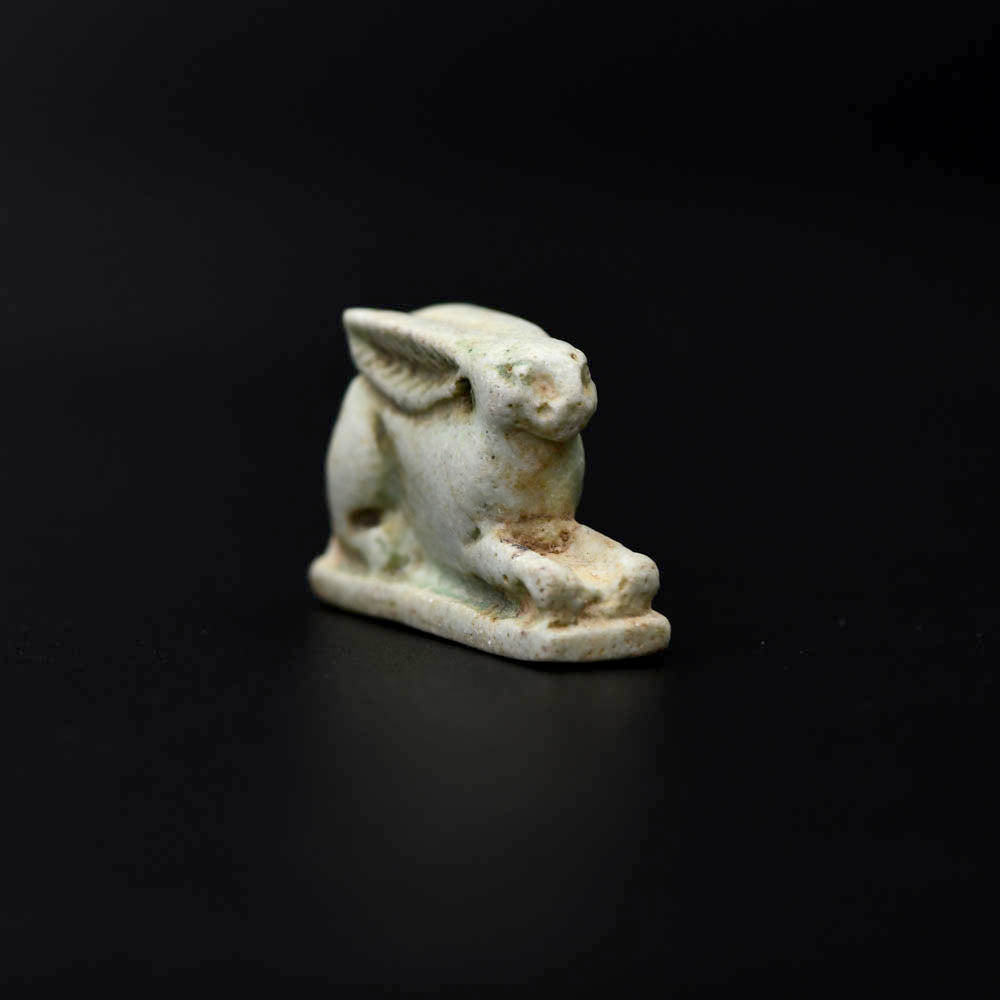
Ein ägyptisches Fayence-Amulett eines Hasen, Spätzeit, 26. Dynastie, ca. 664 - 525 v. ChrEin ägyptisches Fayence-Amulett eines Hasen, Spätzeit, 26. Dynastie, ca. 664 - 525 v. Chr
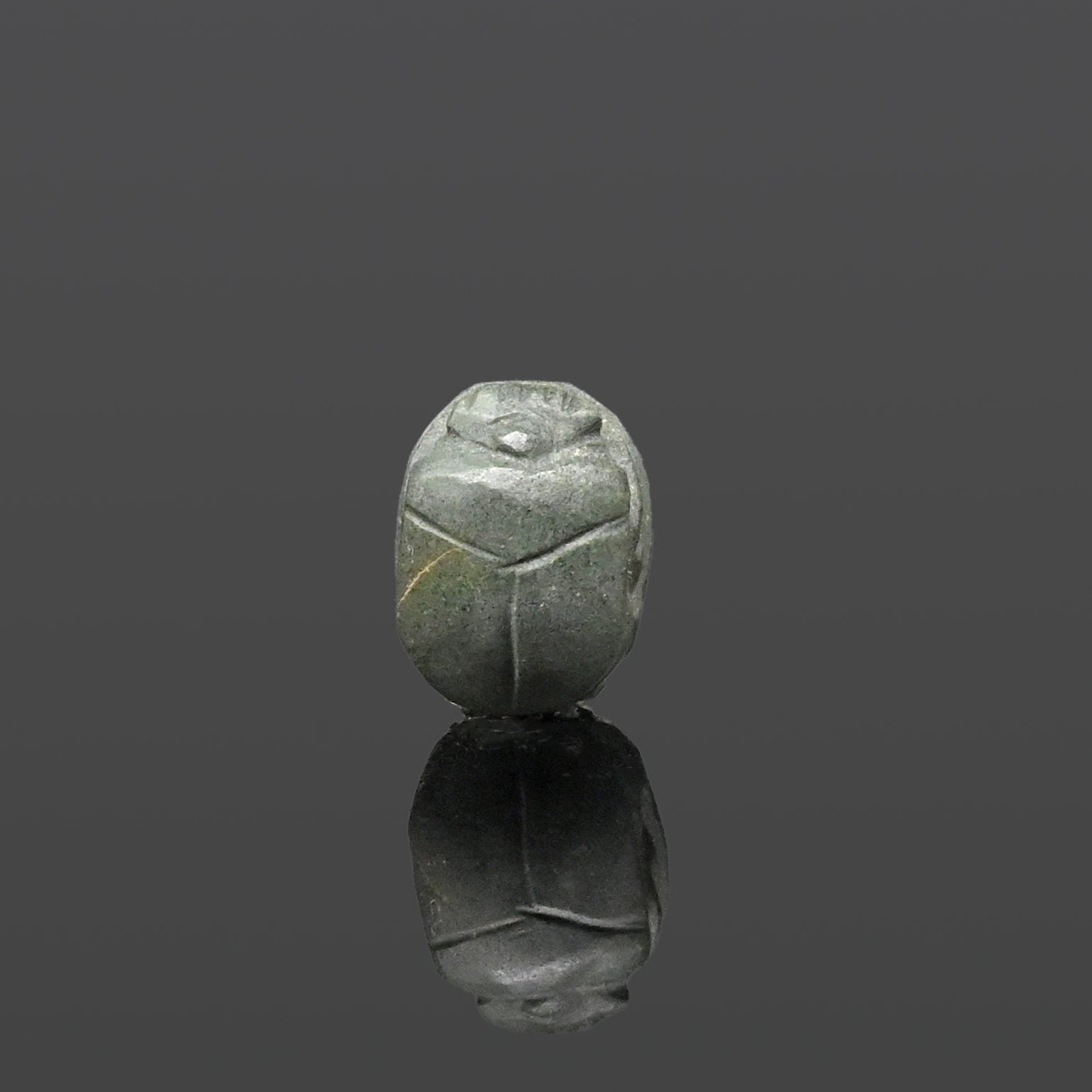
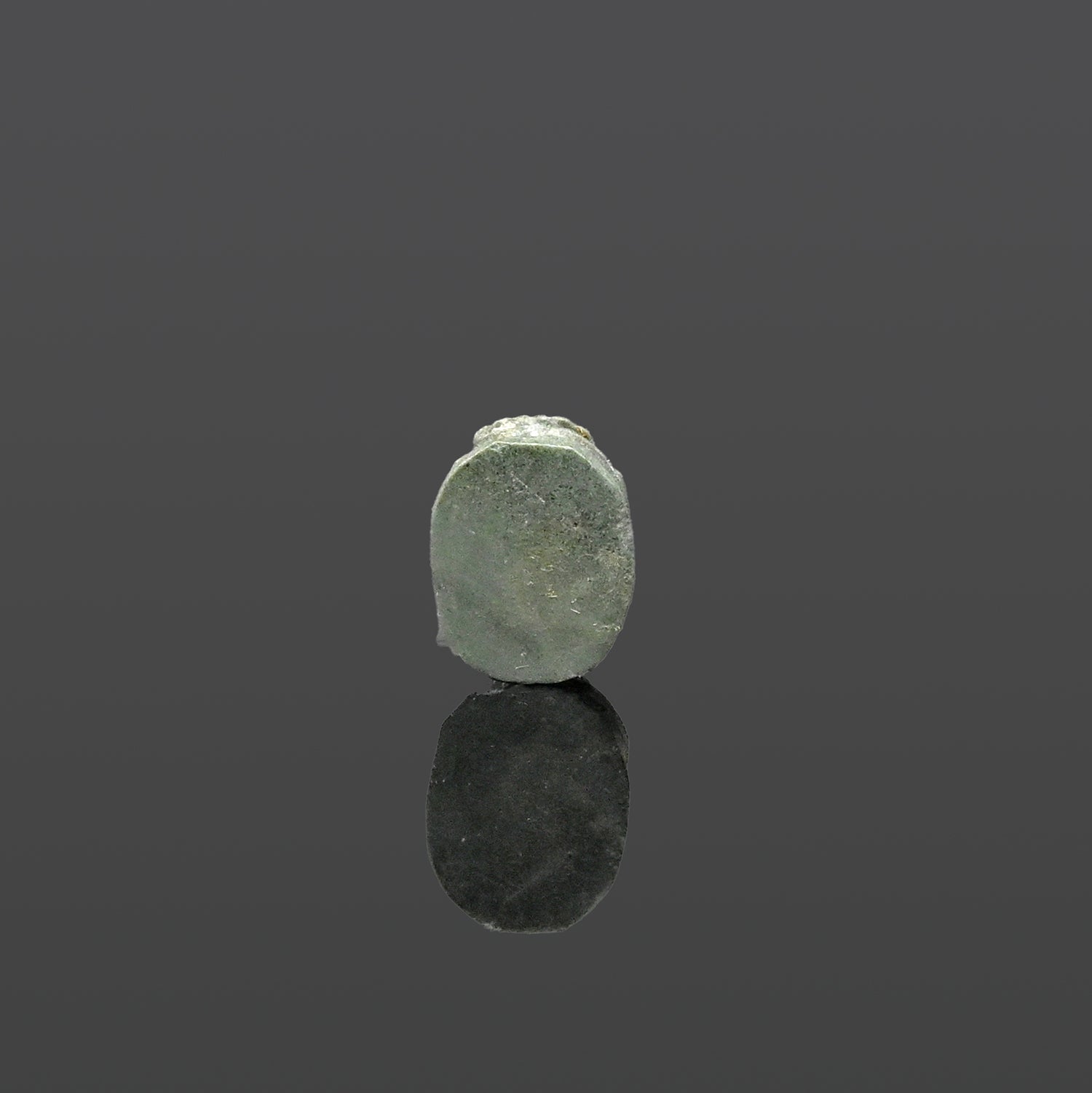
Ein ägyptischer Herzskarabäus aus grünem Stein, Spätzeit, ca. 664 - 332 v. ChrEin ägyptischer Herzskarabäus aus grünem Stein, Spätzeit, ca. 664 - 332 v. Chr
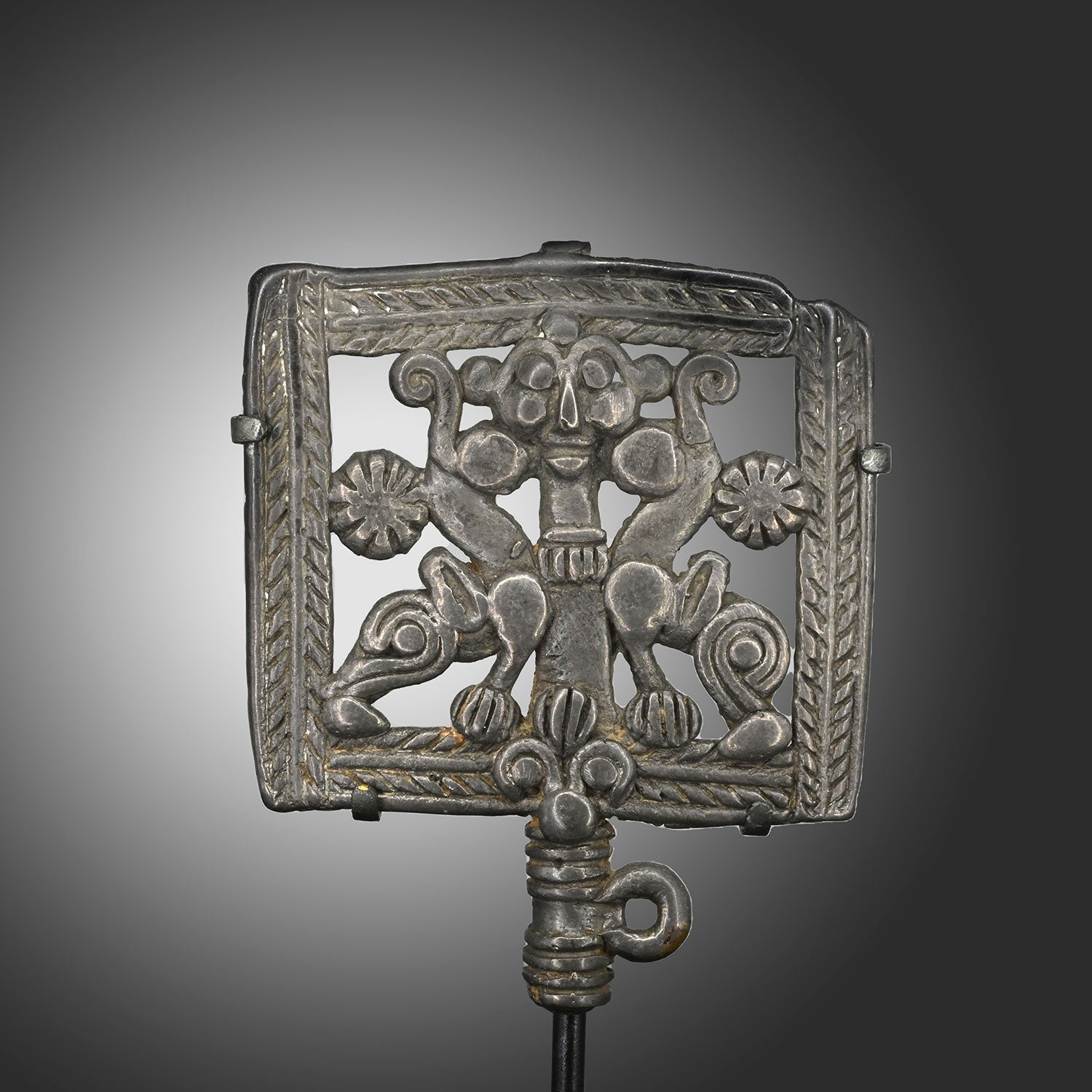
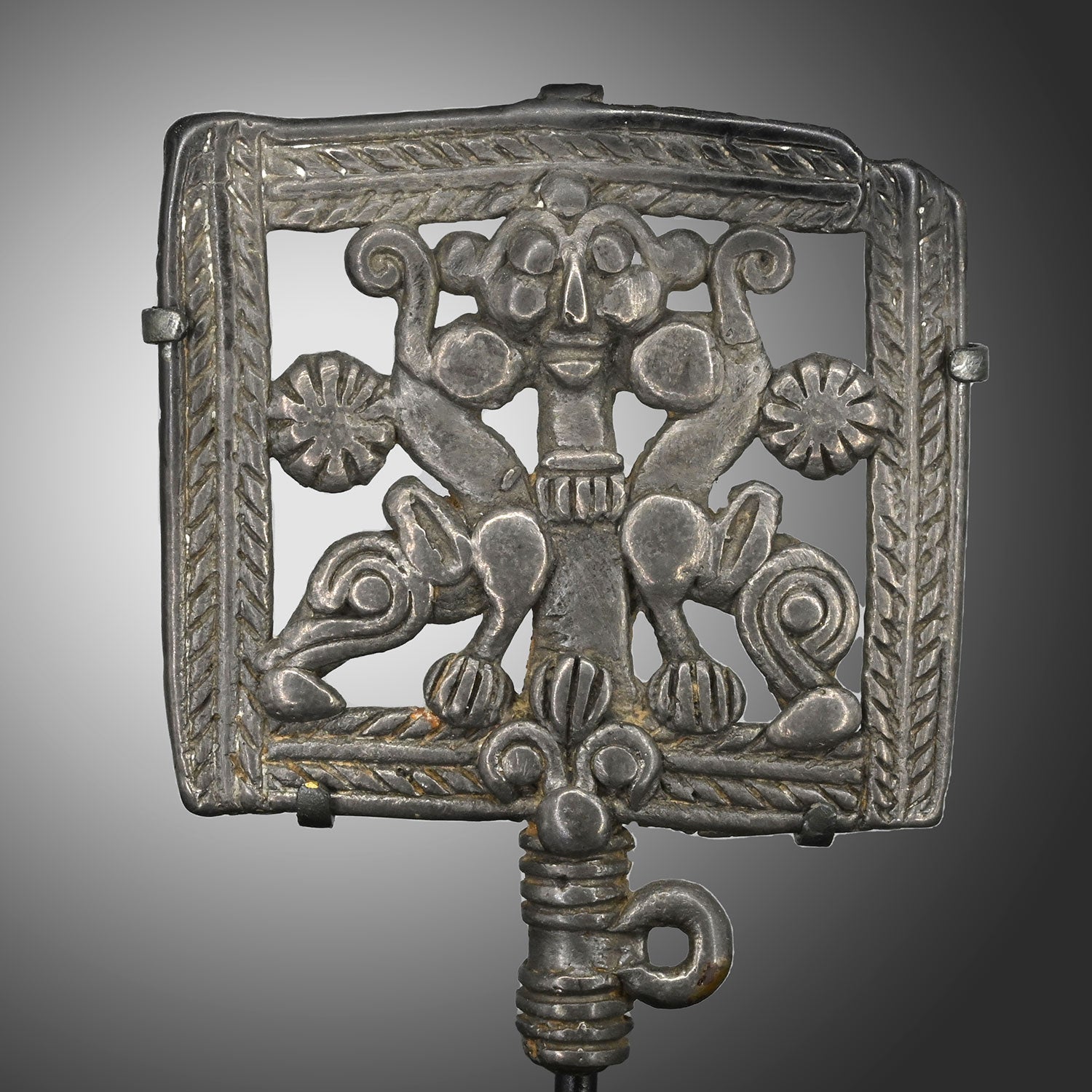
Ein seltener silberner Master of Animals-Abschluss aus Luristan, ca. 8. Jahrhundert v. ChrEin seltener silberner Master of Animals-Abschluss aus Luristan, ca. 8. Jahrhundert v. Chr

Recently viewed