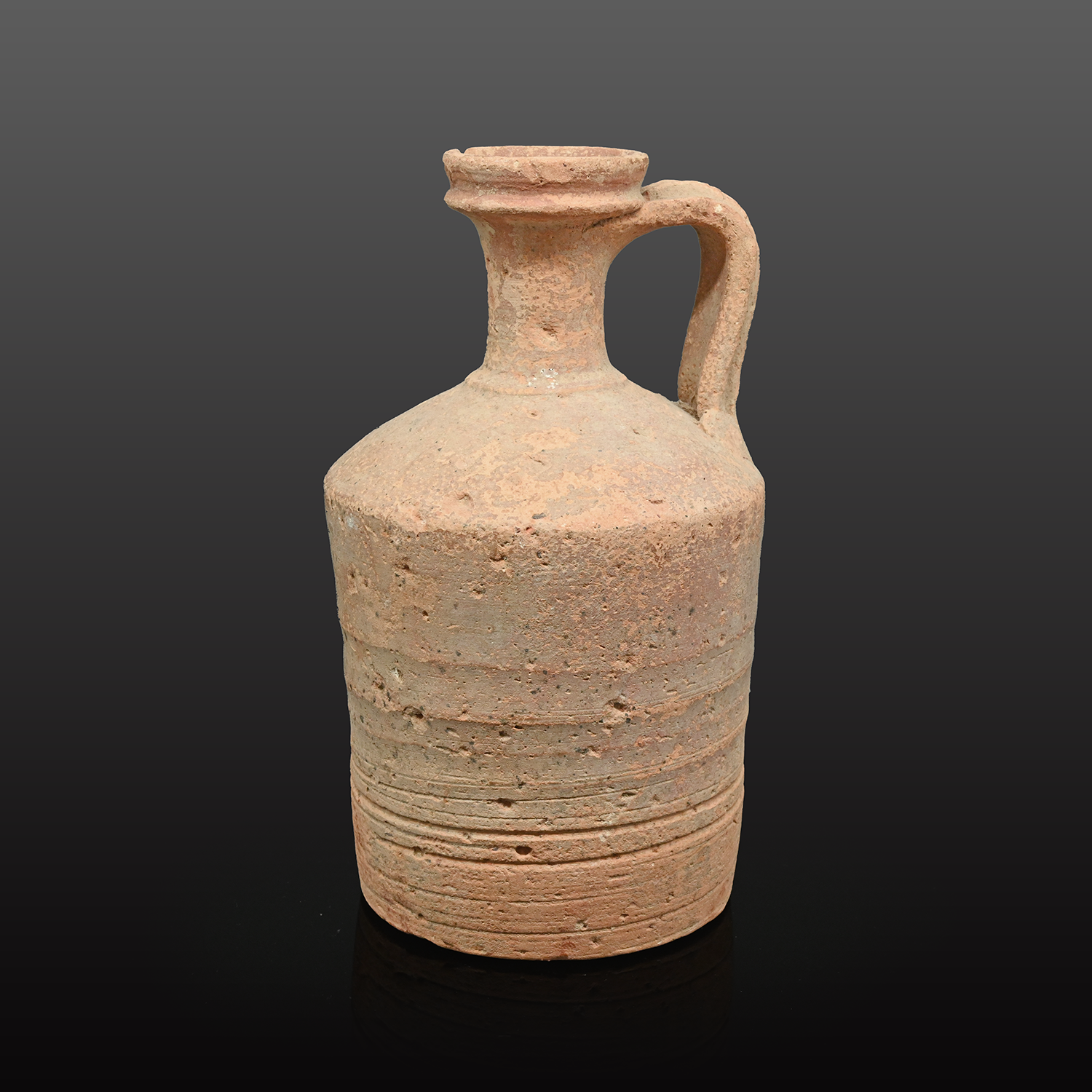
A Levantine Clay Pitcher, ca. 1st millennium BCE
This object qualifies for free USA shipping and a flat rate fee of $75 if shipping internationally.
A hand-formed terracotta jug from the Levantine region, dating to the 1st millennium BCE. The vessel features a cylindrical body with shallow incised horizontal bands, a narrow, tapering neck, a pronounced everted rim, and a single strap handle joining neck and shoulder. Its robust and utilitarian shape suggests use as a liquid container, likely for water, wine, or oil. The textured surface exhibits decorative marks and moderate pitting, indicative of a coarse clay fabric typical of regional Iron Age ceramics.
Medium: Terracotta
Dimensions: Height: 4 1/2 inches (11.5 centimeters)
Condition: Stable and intact. Minor surface abrasions and encrustation consistent with burial. No visible restoration. The handle and rim are complete, and the vessel stands evenly.
Provenance: Private collection of Pasqual Victor Perrino, MD acquired in the 1980s and then by descent.
QUESTIONS? Just click the Contact Us tab on your right.
We ship Tuesday to Friday via ground courier and usually same-day if your order is received before 2pm. Within the continental USA, packing, shipping, and insurance are free. Depending on size and destination, delivery times range from one to five business days.
For overseas shipments, we charge a low flat rate that includes packing, preparation of all customs paperwork, insurance, and carrier fees, in compliance with all U.S. and International customs requirements.
Overseas shipments are sent via FedEx, DHL, or UPS International Priority, so contact us if you have a shipping preference. International customers are responsible for all duties and taxes.
Sands of Time provides a lifetime, unconditional guarantee of authenticity and provenance. Every object you purchase from us is accompanied by a Certificate of Authenticity, stating culture, provenance, and age.
Furthermore, we conduct due diligence to ensure the item, to the best of our knowledge, has not been illegally obtained from an excavation, architectural monument, public institution, or private property. Wherever possible, reference is made to existing collections or publications.Wherever possible, reference is made to existing collections or publications.
Choose options
Recently viewed
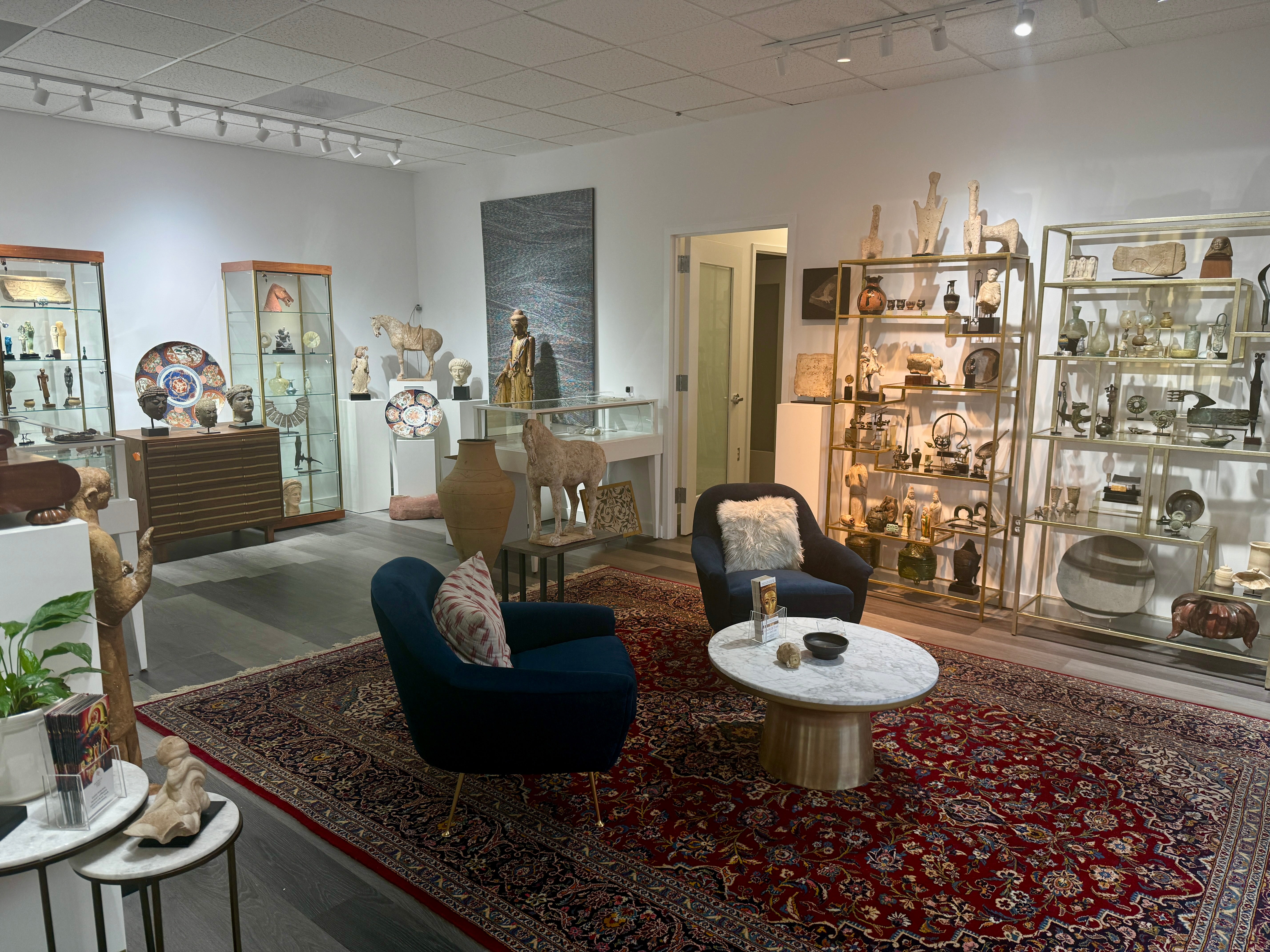
Come Visit Us!
1010 Wisconsin Ave NW, Suite 340
Washington DC. 20007
Tues - Fri, 10:00am - 6:00pm
Sat/Sun/Mon By appointment

